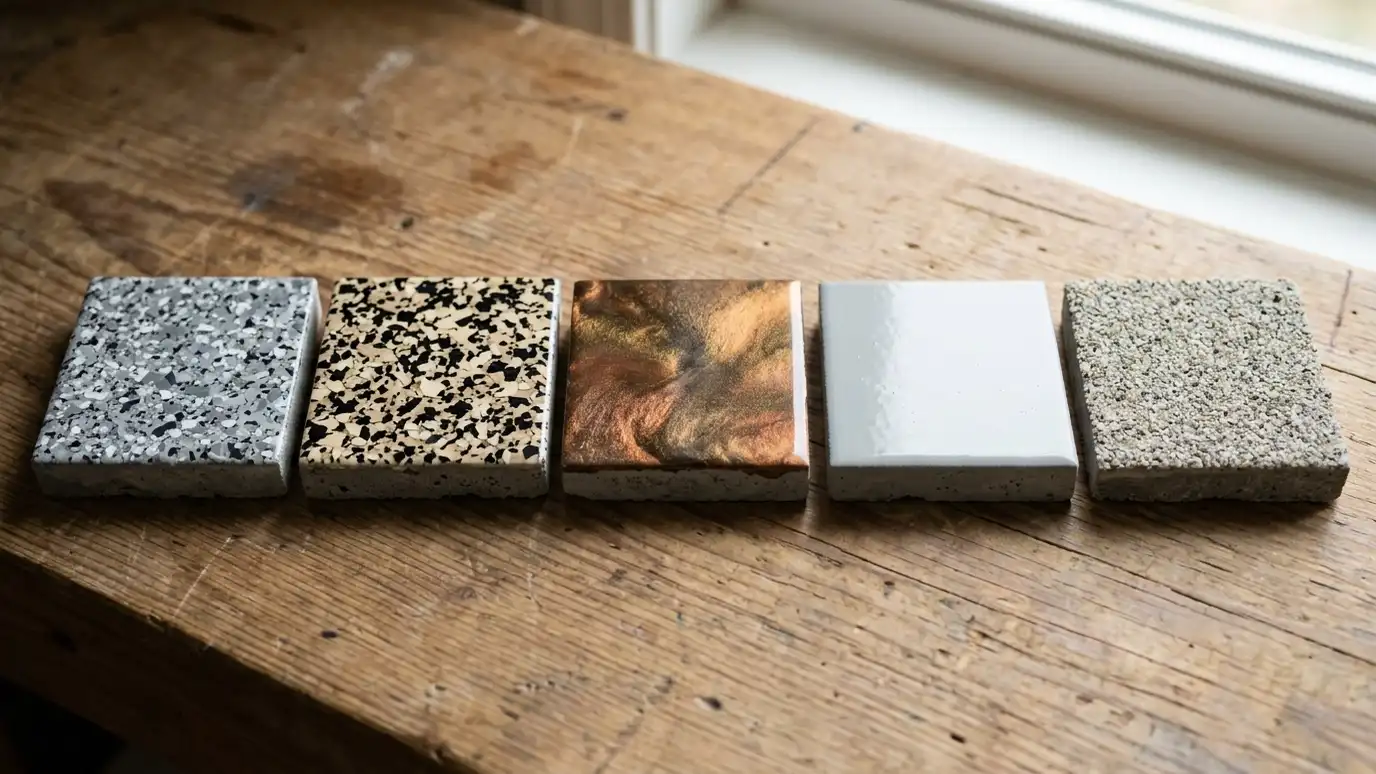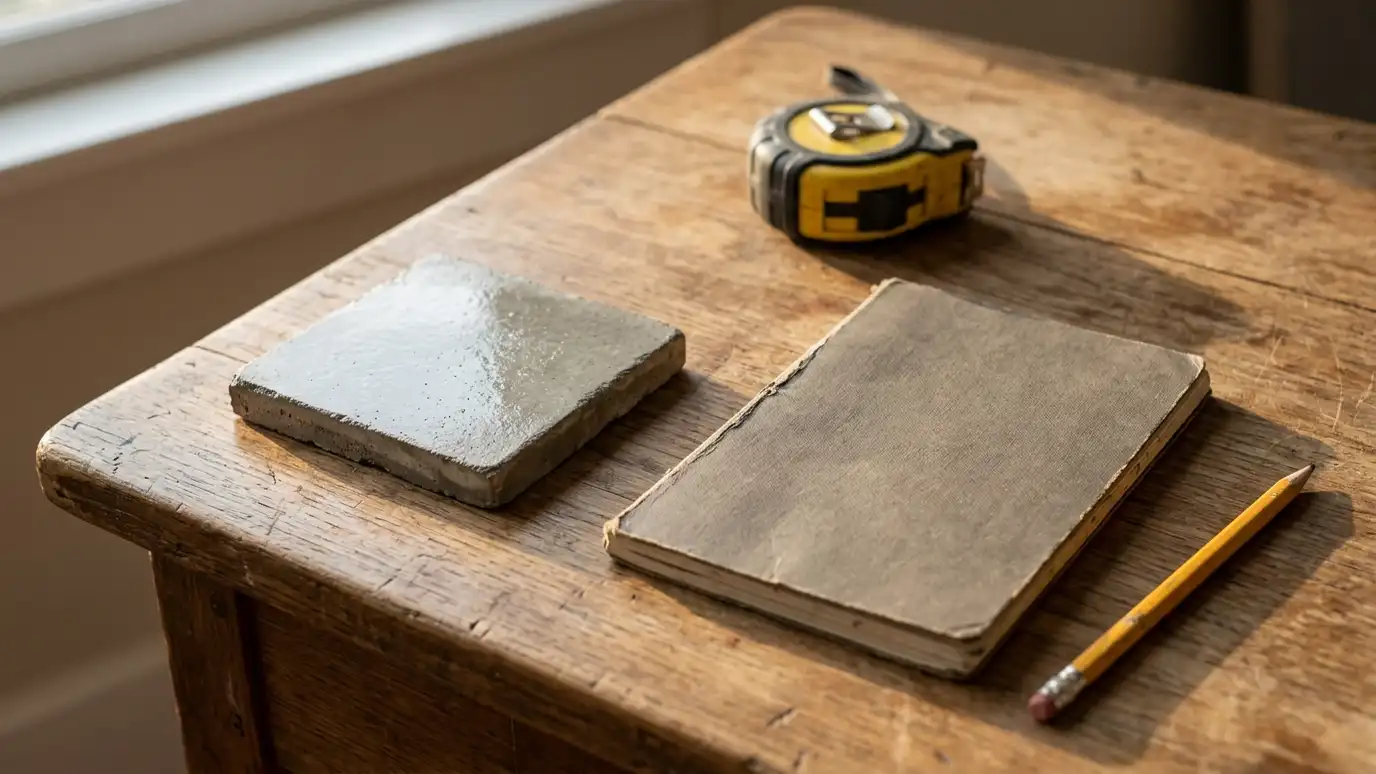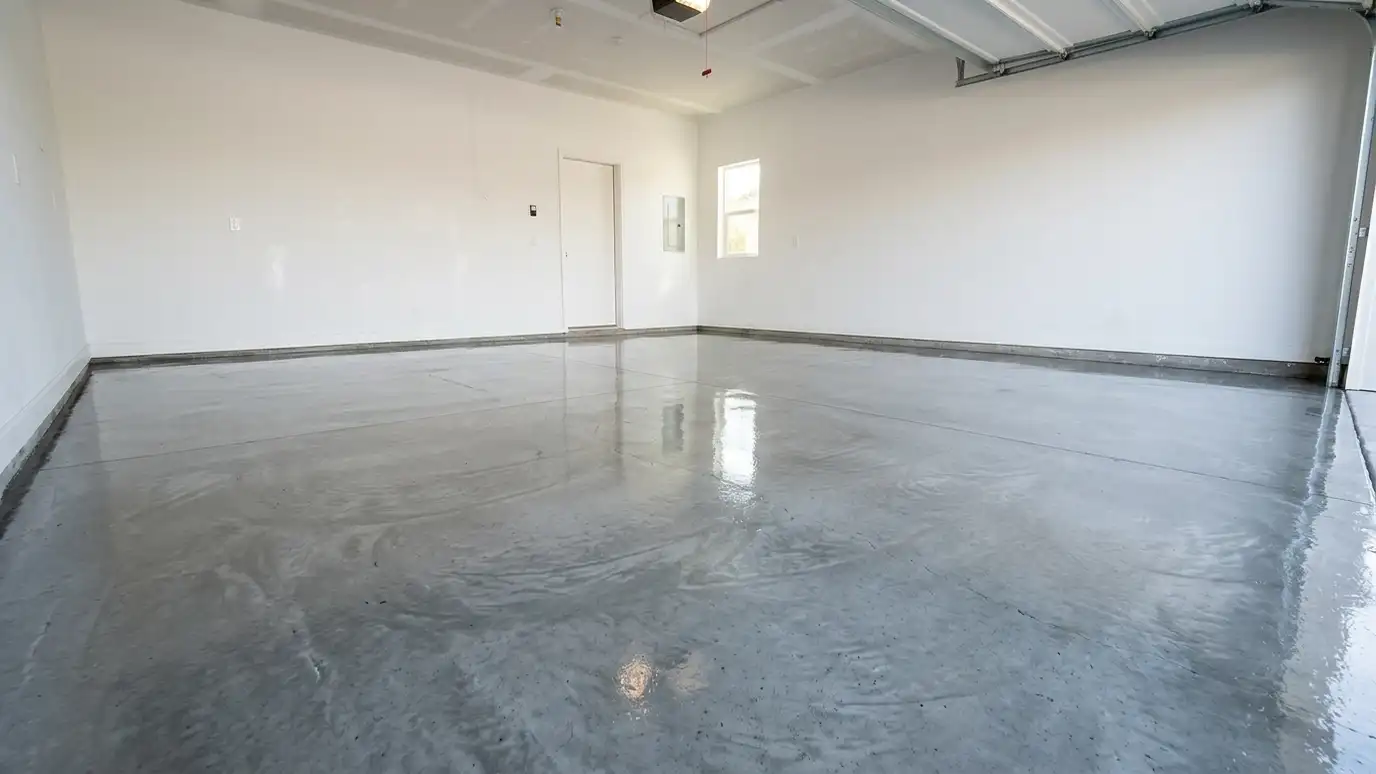
Clear polyaspartic concrete sealer that protects bare or stained concrete with a transparent, glossy, UV-stable layer while keeping the natural look of the slab.
Not every owner wants a colored floor. If your concrete is in good shape, a clear polyaspartic sealer can protect it while keeping the natural grain, color variation and character of the slab. The sealer soaks into the surface and leaves a transparent, glossy or satin layer that resists oil, salt and water, and it deepens the color of stained or dyed concrete. In Nashville garages that see road salt and damp winters, a clear seal is a quick way to protect a floor you already like.
The key is a surface that is ready to be seen. Because the sealer is clear, every crack, patch and stain shows through, so we look at the floor with you first and decide whether a clear finish will satisfy you or whether a pigmented coating is wiser. If clear is the right choice, we clean and grind the surface, repair what can be repaired and apply the sealer in thin, even coats. We will tell you honestly if the concrete has too many patches or stains for a clear look, and we show alternatives.
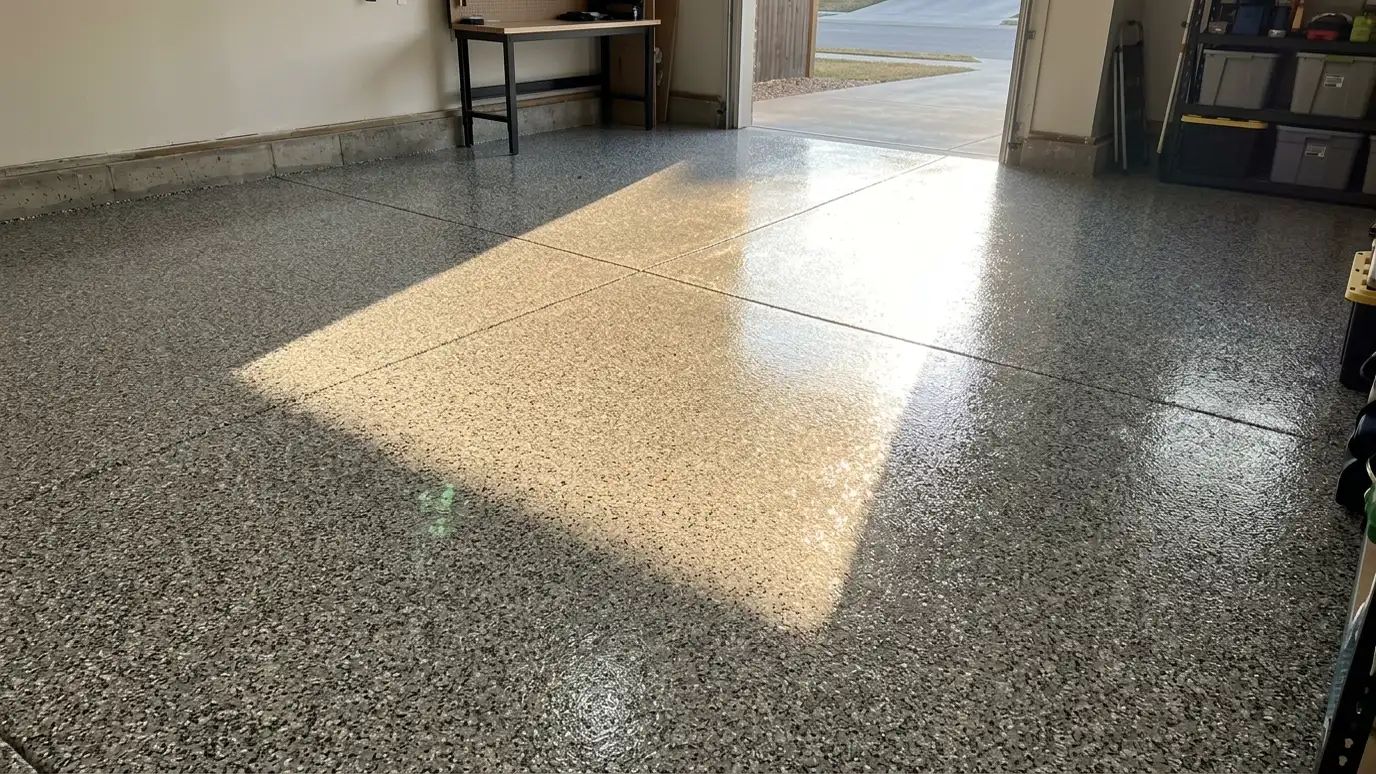
The natural grain and tone stay visible.
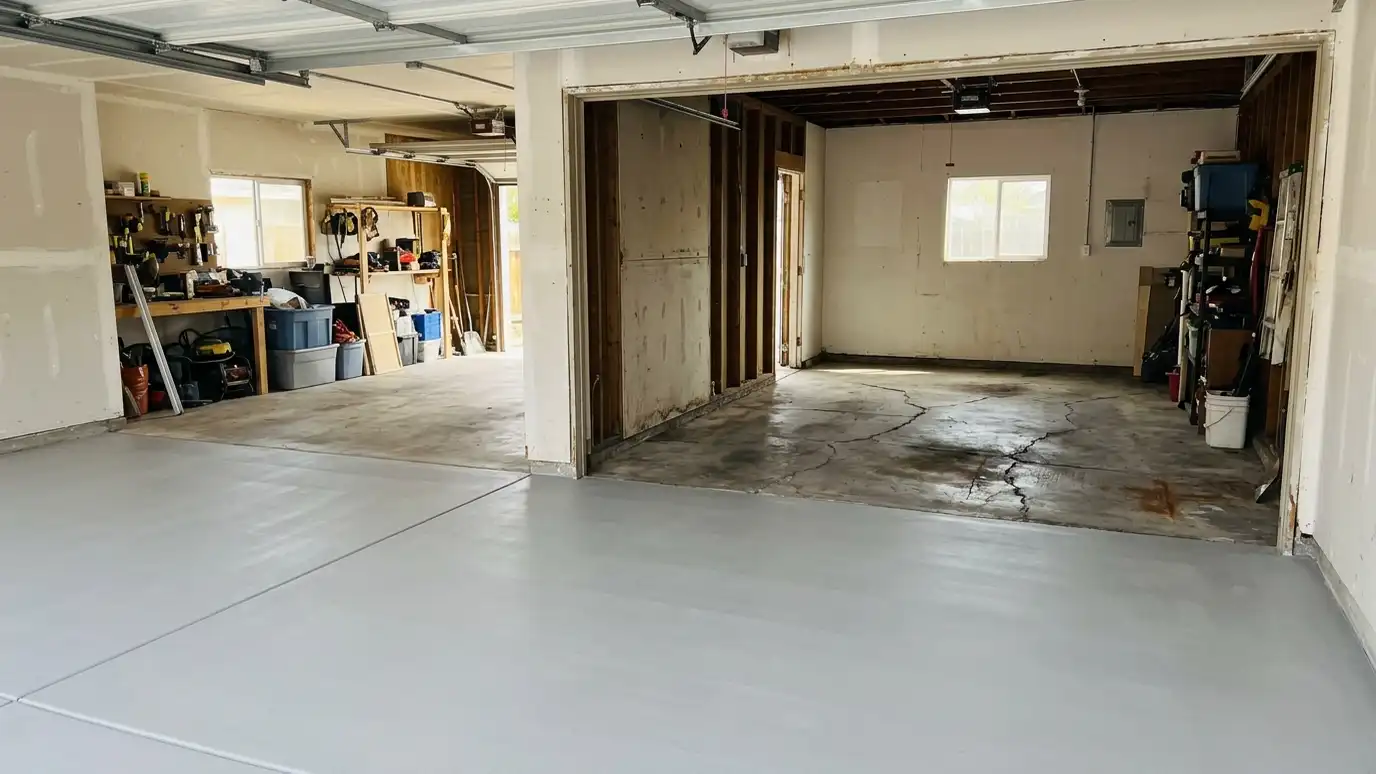
Cracks and patches show through, so we help you decide.
A sealed surface resists common garage fluids.
A fine texture can be added for traction.
The grain and tone of the slab stay visible.
The sealer is made to resist sun and yellowing.
A sealed surface resists water and common garage fluids.
Clear shows every flaw, so we help you decide.
Tinted concrete gets a deeper, glossier look.
Careful application avoids streaks and bubbles.
Every topic has its own page with what to expect and how we approach it.
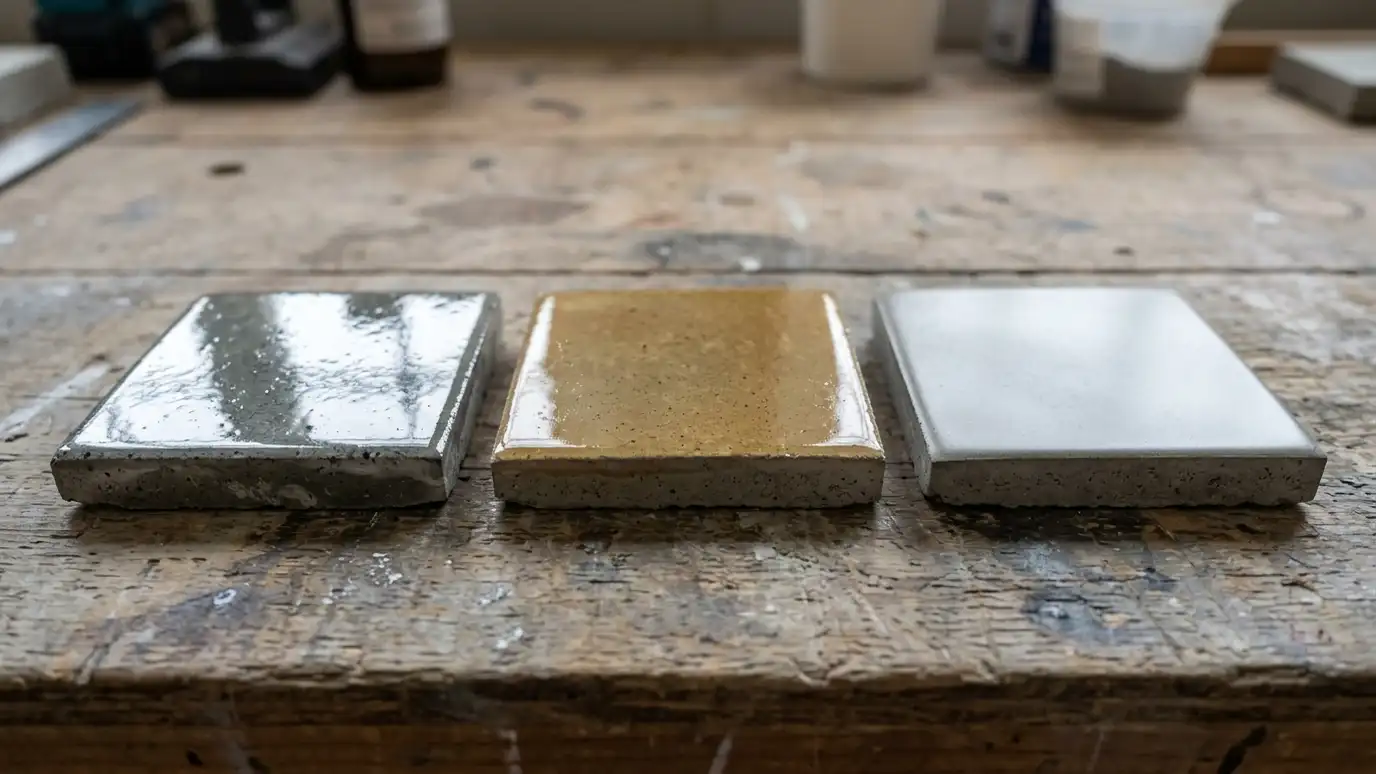 Comparison guidePolyaspartic vs Epoxy vs PolyureaHow the three coating families differ in cure speed, sun stability, thickness, odor, flexibility and the work they…Learn more
 Comparison guideUV Stability and YellowingWhy some coatings turn amber in sunlight, how polyaspartic topcoats resist it and what to expect near open…Learn more
 Comparison guideNew vs Old ConcreteHow slab age, curing, hard-troweled finishes, cracks and past sealers change the way a floor is prepared and…Learn more
Answer five questions about your floor, goals and timing to see which services to start with.
You tell us what you want to coat, how you use the space and what bothers you about the floor, and we set a visit.
We measure the floor, check cracks, stains and moisture, take photos and talk through colors and finishes.
You review samples, a design preview and a plain written scope with every layer and the schedule before anything is ordered.
We clear and protect the space, diamond grind the slab, repair cracks and joints and clean the surface.
We apply the basecoat, broadcast flakes or color and roll the clear topcoat, then give you a cure schedule.
We walk the finished floor with you, share a care guide and schedule a first checkup.
No. It shows them. If stains bother you, a pigmented or flake system is a better choice.
It protects well, but a thicker flake system is more forgiving in heavy use.
It can. We can add a fine anti-slip texture.
Often yes, after the concrete has cured. We check moisture and age first.
Yes, after cleaning and a light scuff.
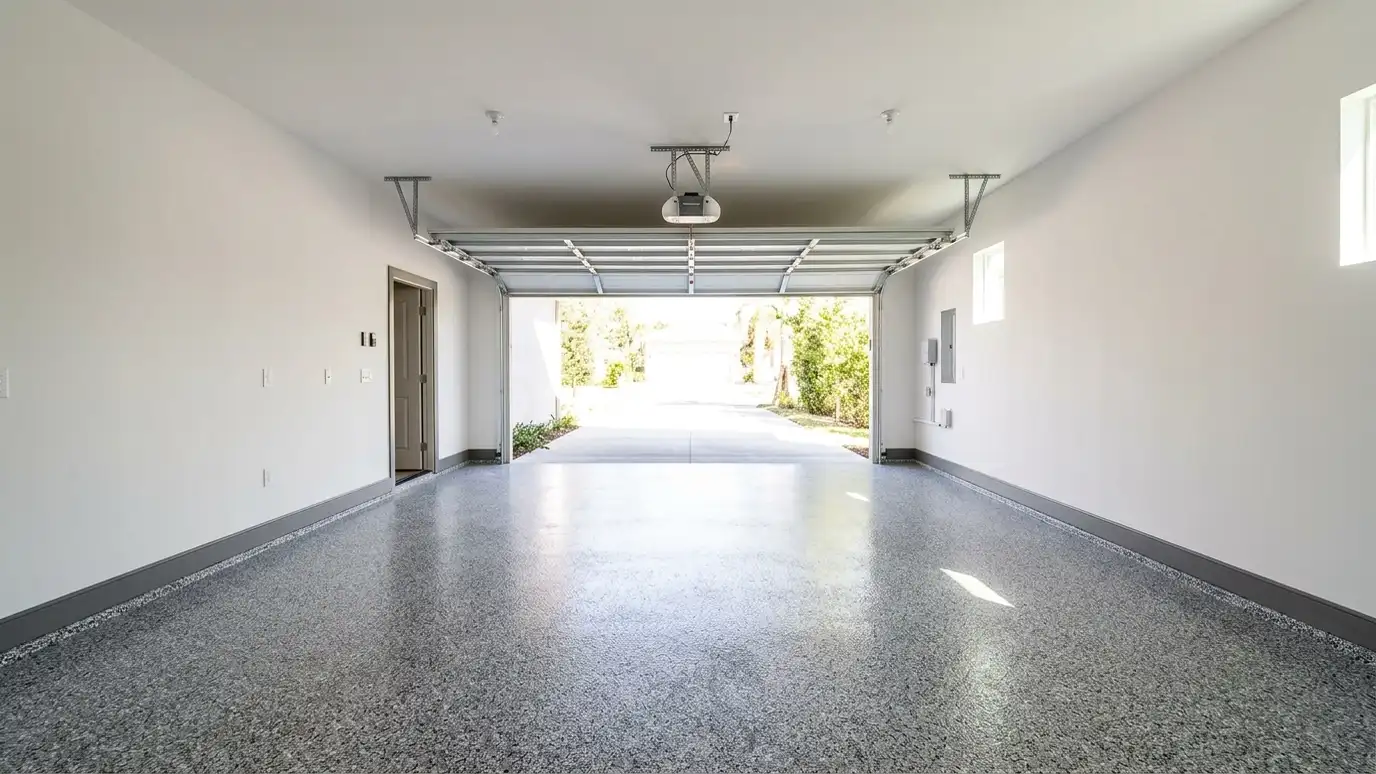 Polyaspartic Garage Floor CoatingPolyaspartic garage floor coating that turns bare, stained concrete into a glossy, seamless, easy-clean floor, prepared by diamond…Explore
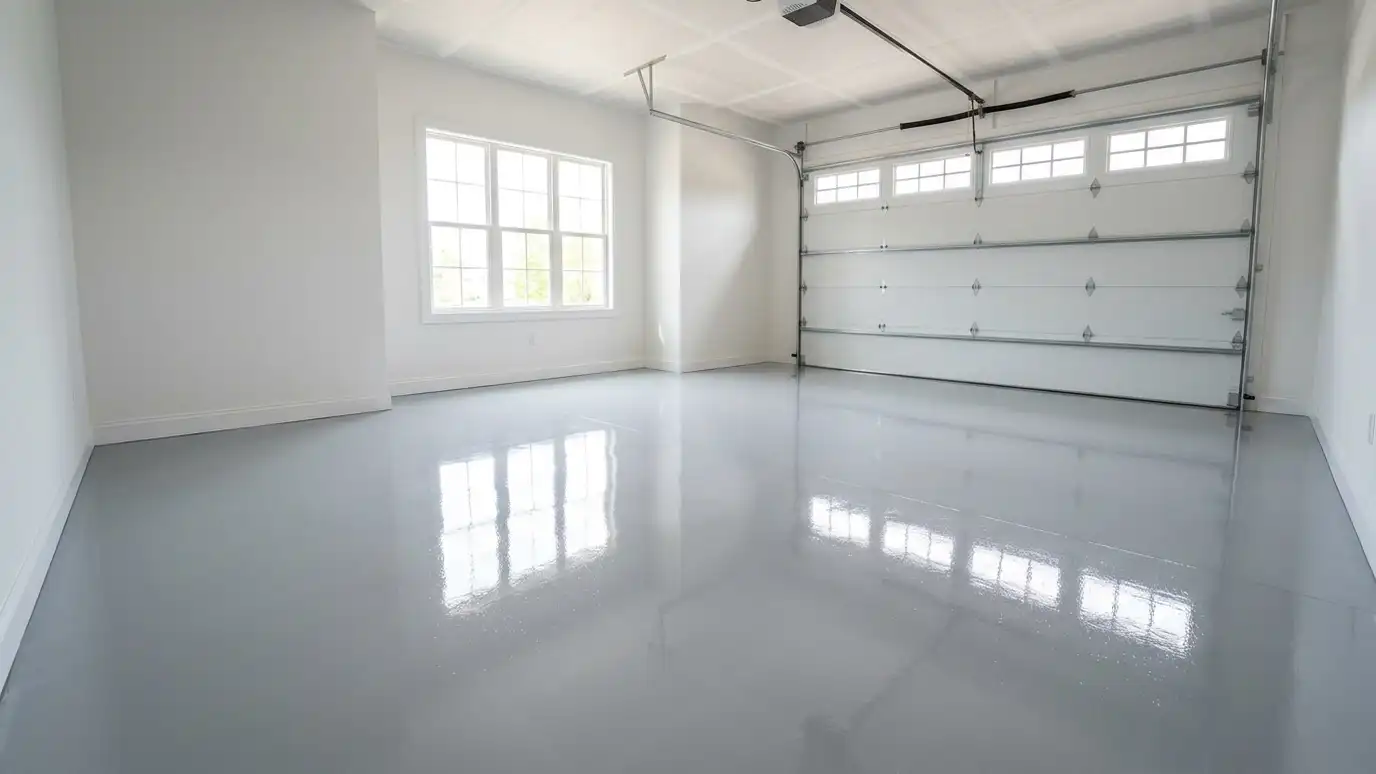 Solid-Color Polyaspartic Garage FloorsSolid-color polyaspartic garage floors that give a clean, uniform, high-gloss surface in gray, tan, charcoal and more, with…Explore
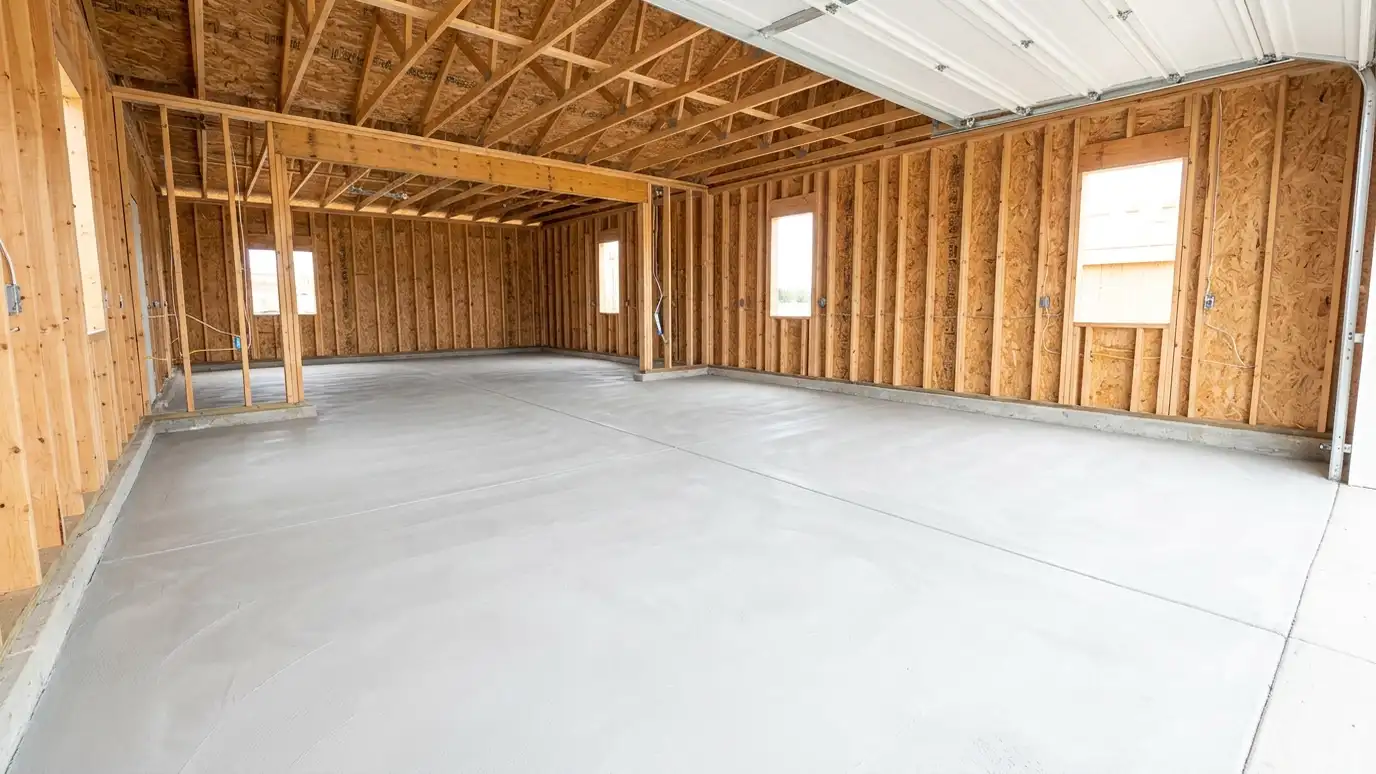 New Concrete Garage Floor CoatingNew concrete garage floor coating that waits for the slab to cure, tests moisture and preps the surface…Explore
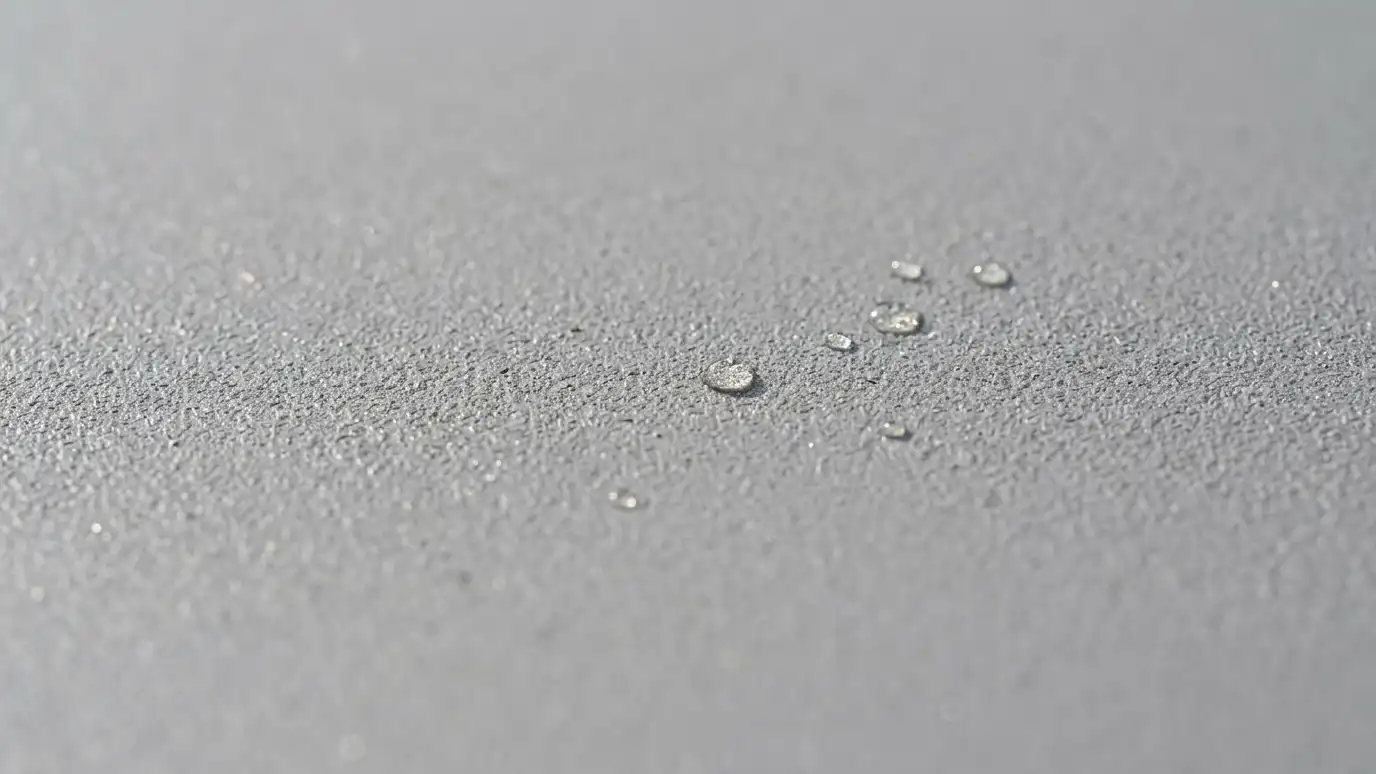 Anti-Slip Garage Floor FinishesAnti-slip garage floor finishes that add fine grit, aggregate or textured topcoats for better traction in wet, snowy…Explore
Tell us about your floor and we will call you back to set up a visit.
Or call (615) 357-7797 to talk now.