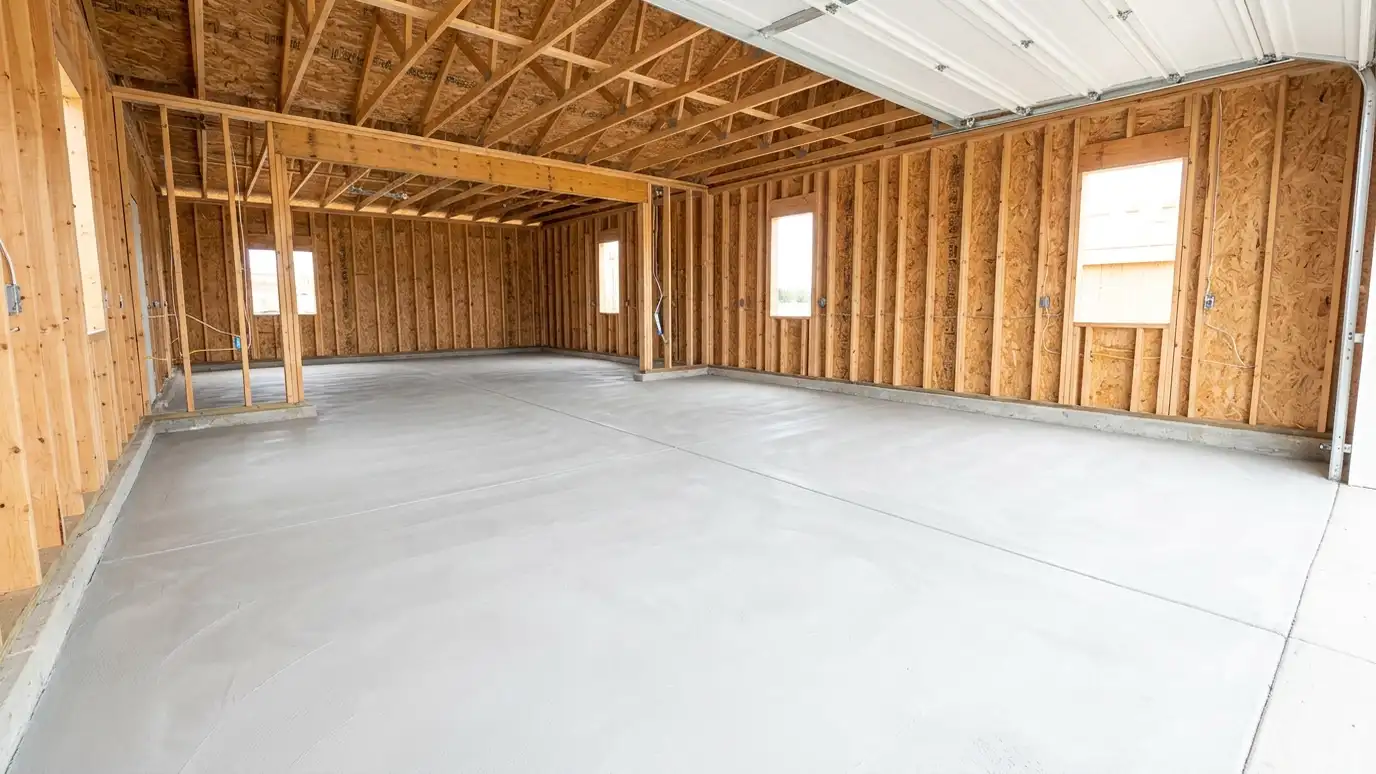
New concrete garage floor coating that waits for the slab to cure, tests moisture and preps the surface so a coating can protect a brand-new floor.
A new slab looks perfect and is tempting to coat right away. The trouble is that fresh concrete is still drying, and sealing in moisture too early can cause coating failures. New concrete also has a smooth, hard-troweled surface that needs grinding for a good bond. A thoughtful plan means waiting long enough, testing moisture and preparing the surface. Nashville builders and homeowners with new homes or new garages often ask us when it is safe to coat, and the honest answer depends on the slab and the weather.
We usually advise letting a new slab cure for several weeks before coating, longer if the weather has been wet or the slab is thick. When it is time, we test for moisture, grind the surface to open it, repair any shrinkage cracks and joints and apply the system you chose. If the schedule is tight, we may recommend a moisture-mitigating primer. We also coordinate with builders and other trades so the coating is installed when the garage is clean, dry and out of the way of drywall dust and heavy traffic.
New slabs need time to cure before coating.
Readings show whether the slab is ready.
Hard-troweled concrete is ground for bonding.
We schedule around other trades.
New slabs need time to cure before they are coated.
Readings show whether the slab is ready.
Hard-troweled concrete is ground for bonding.
Early cracks are repaired before coating.
We schedule around other trades.
A moisture primer can help tight schedules.
Every topic has its own page with what to expect and how we approach it.
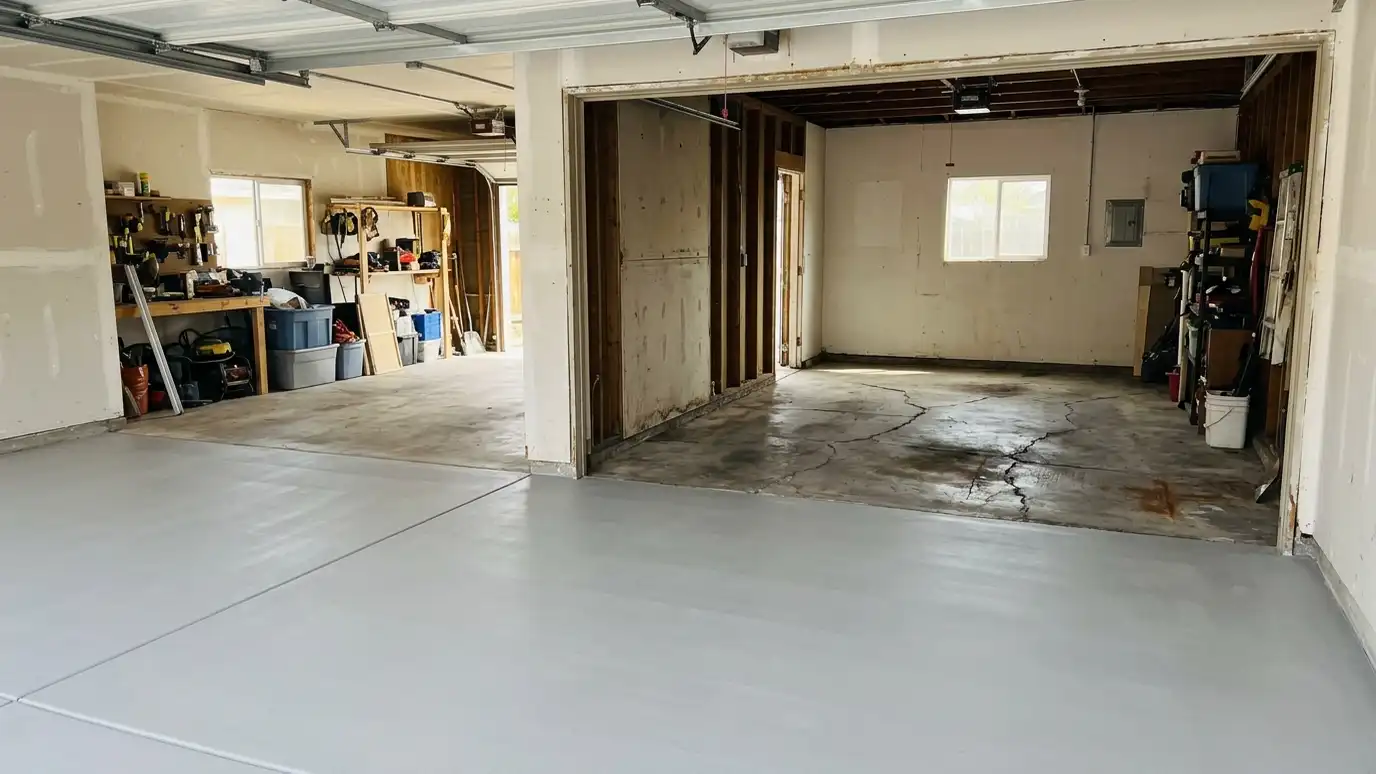 Comparison guideNew vs Old ConcreteHow slab age, curing, hard-troweled finishes, cracks and past sealers change the way a floor is prepared and…Learn more
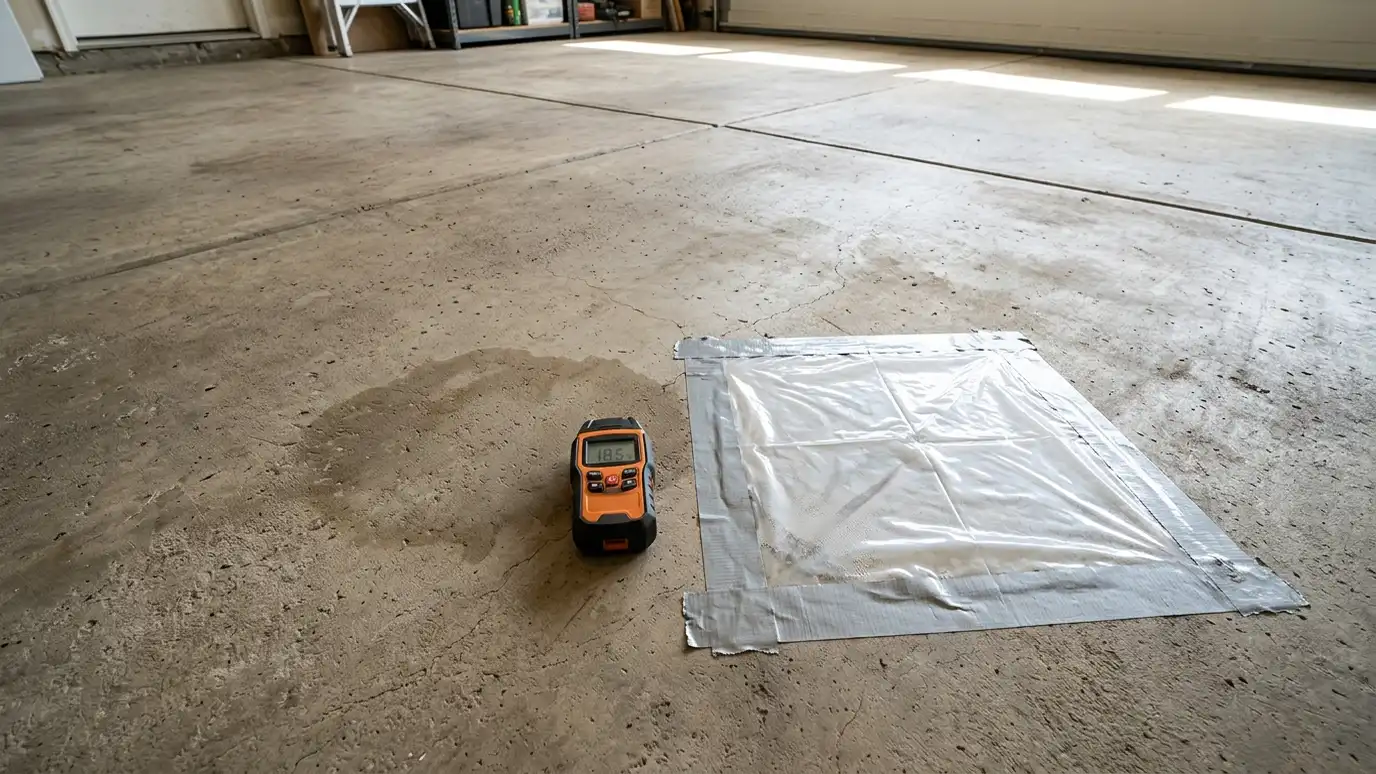 Comparison guideConcrete Moisture ExplainedHow moisture vapor moves through slabs, how it is tested and what it can do to a coating.Learn more
 ResourceNAHBA trade association for home builders and remodelers that publishes consumer information about building and remodeling.Learn more
Tick what you notice about your slab, from cracks and stains to moisture and old coatings, to see what to check and fix before a consultation.
You tell us what you want to coat, how you use the space and what bothers you about the floor, and we set a visit.
We measure the floor, check cracks, stains and moisture, take photos and talk through colors and finishes.
You review samples, a design preview and a plain written scope with every layer and the schedule before anything is ordered.
We clear and protect the space, diamond grind the slab, repair cracks and joints and clean the surface.
We apply the basecoat, broadcast flakes or color and roll the clear topcoat, then give you a cure schedule.
We walk the finished floor with you, share a care guide and schedule a first checkup.
Often after several weeks of curing, depending on thickness, weather and test results.
Hard-troweled surfaces are dense and smooth, so grinding opens them for bonding.
Some do, but we recommend tests and prep. We can coordinate with your builder.
Hairline shrinkage cracks are common. We repair them before coating.
Sealers can interfere with bonding, so we talk about it before any product is applied.
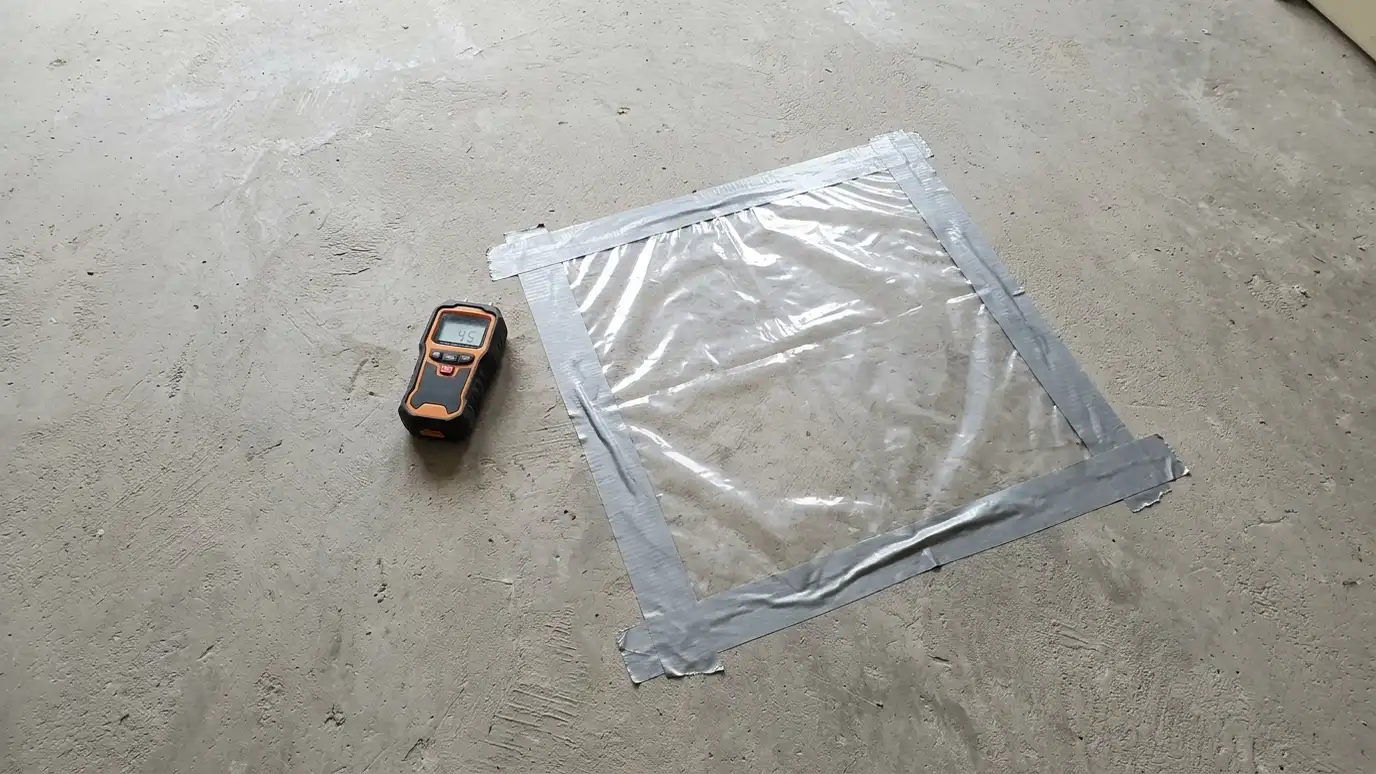 Concrete Moisture TestingConcrete moisture testing that checks for moisture vapor in the slab with plastic sheet, calcium chloride and in-slab…Explore
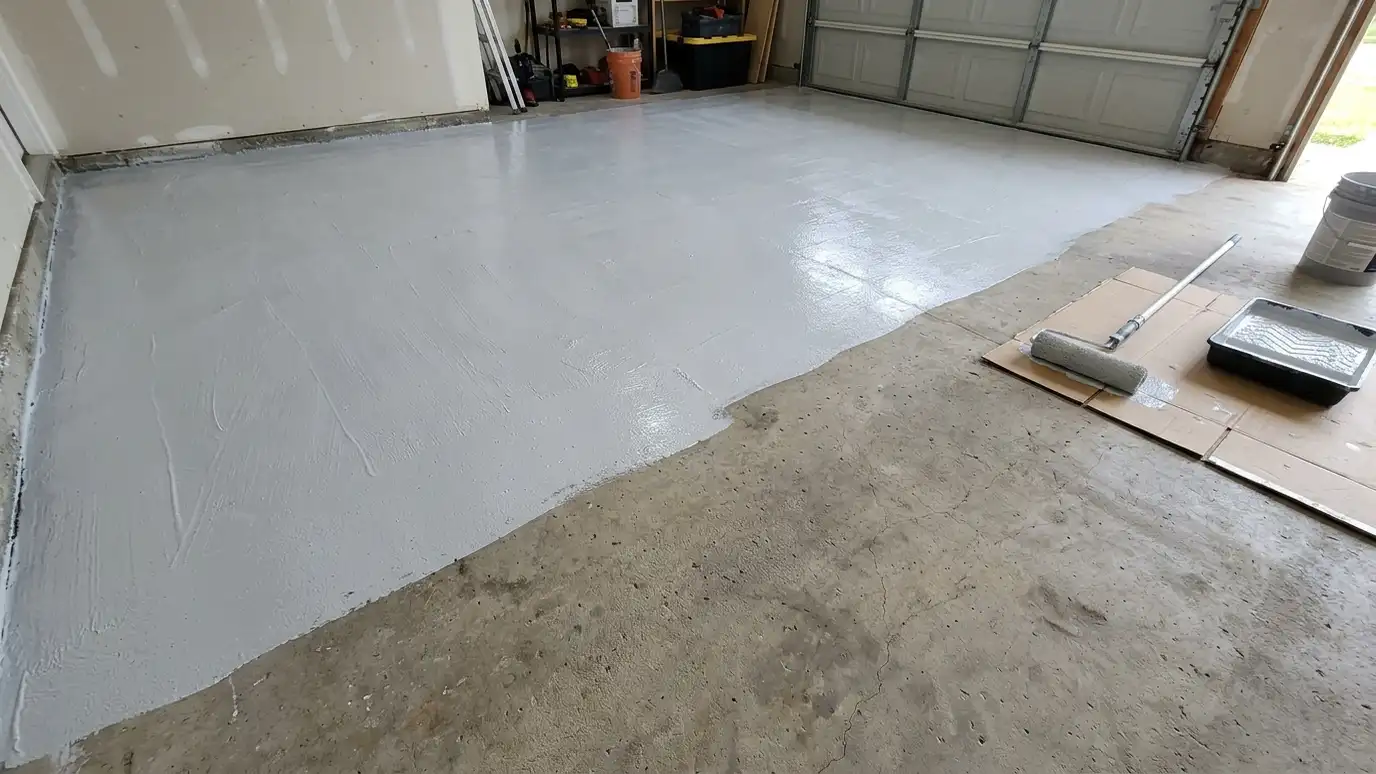 Moisture Vapor MitigationMoisture vapor mitigation that applies a moisture-blocking primer to concrete with elevated vapor emission so the coating system…Explore
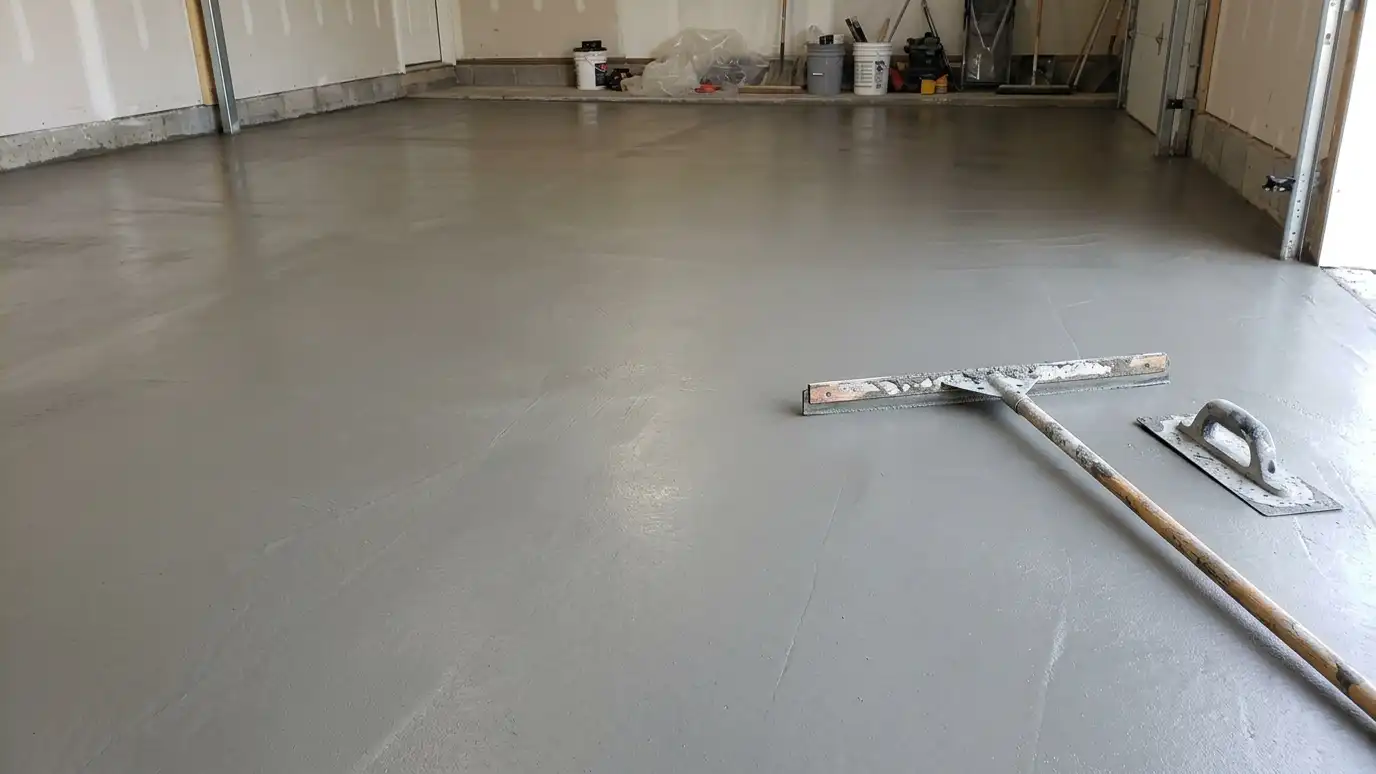 Concrete Resurfacing and LevelingConcrete resurfacing and leveling that uses polymer-modified overlays and self-leveling products to smooth rough, pitted or uneven garage…Explore
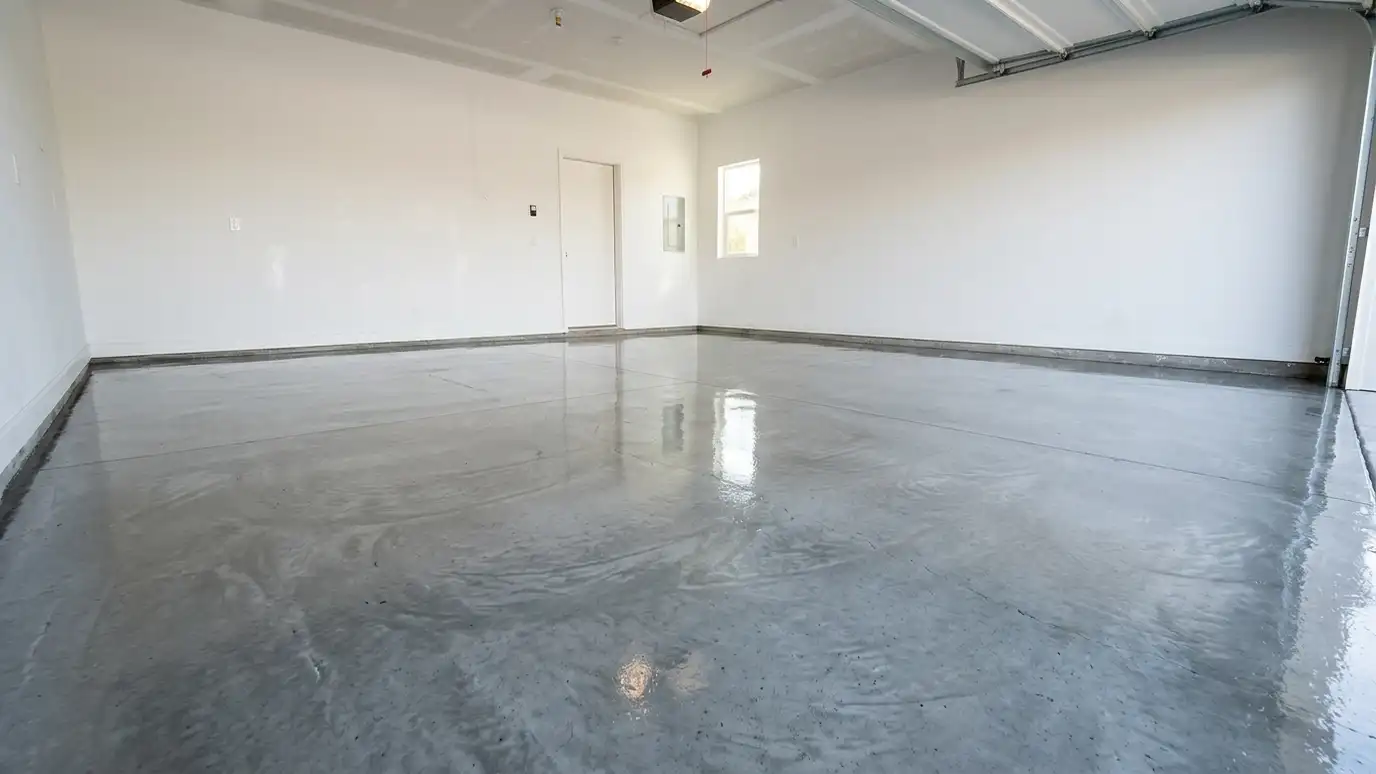 Clear Polyaspartic Concrete SealerClear polyaspartic concrete sealer that protects bare or stained concrete with a transparent, glossy, UV-stable layer while keeping…Explore
Tell us about your floor and we will call you back to set up a visit.
Or call (615) 357-7797 to talk now.