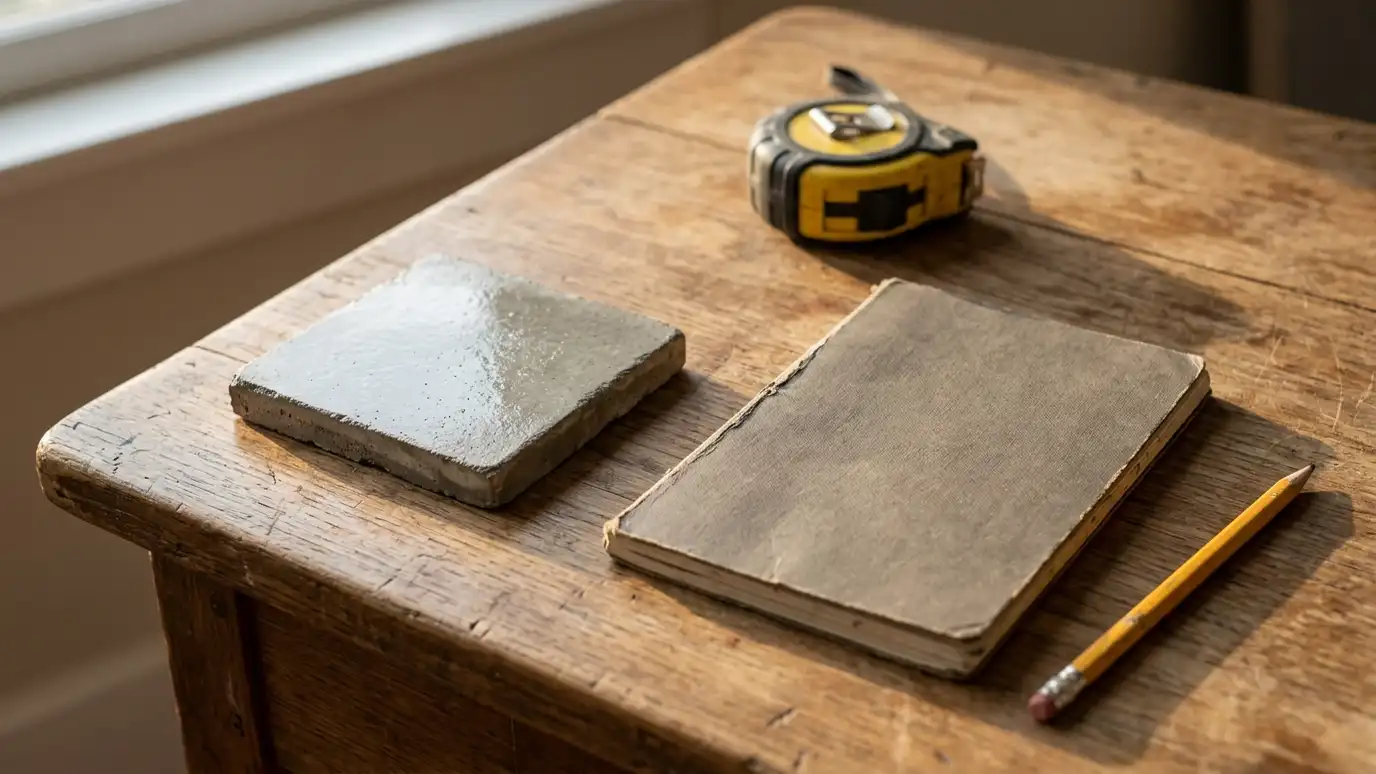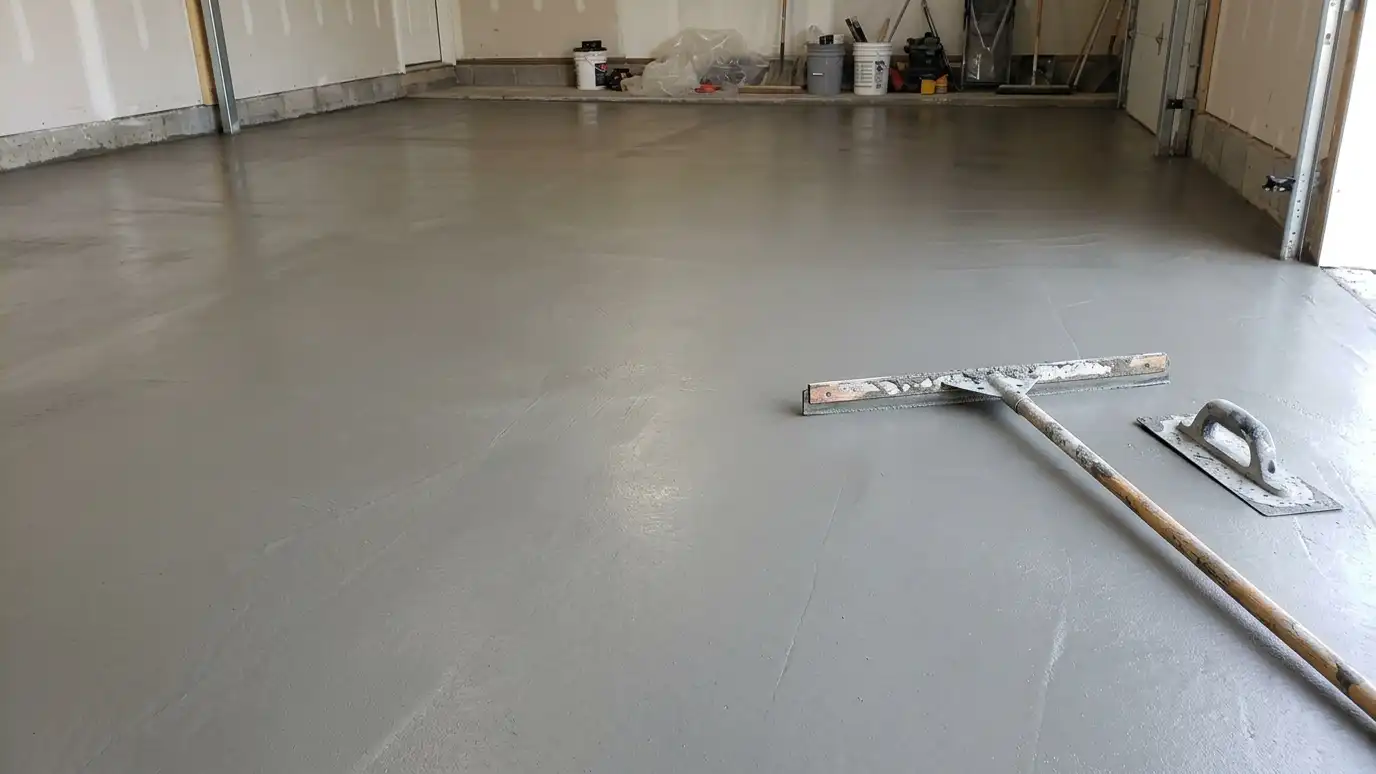
Concrete resurfacing and leveling that uses polymer-modified overlays and self-leveling products to smooth rough, pitted or uneven garage slabs before coating.
Some slabs are simply rough: pitted, patched, uneven or finished poorly. A coating will follow every bump, so if the surface is far from smooth, the finished floor will look the same. Resurfacing gives you a fresh surface. A thin polymer-modified overlay or a self-leveling product is applied over properly prepared concrete, filling pits, covering patches and creating a smooth, level base for the coating system. Nashville garages with older slabs and years of repairs often benefit from this step.
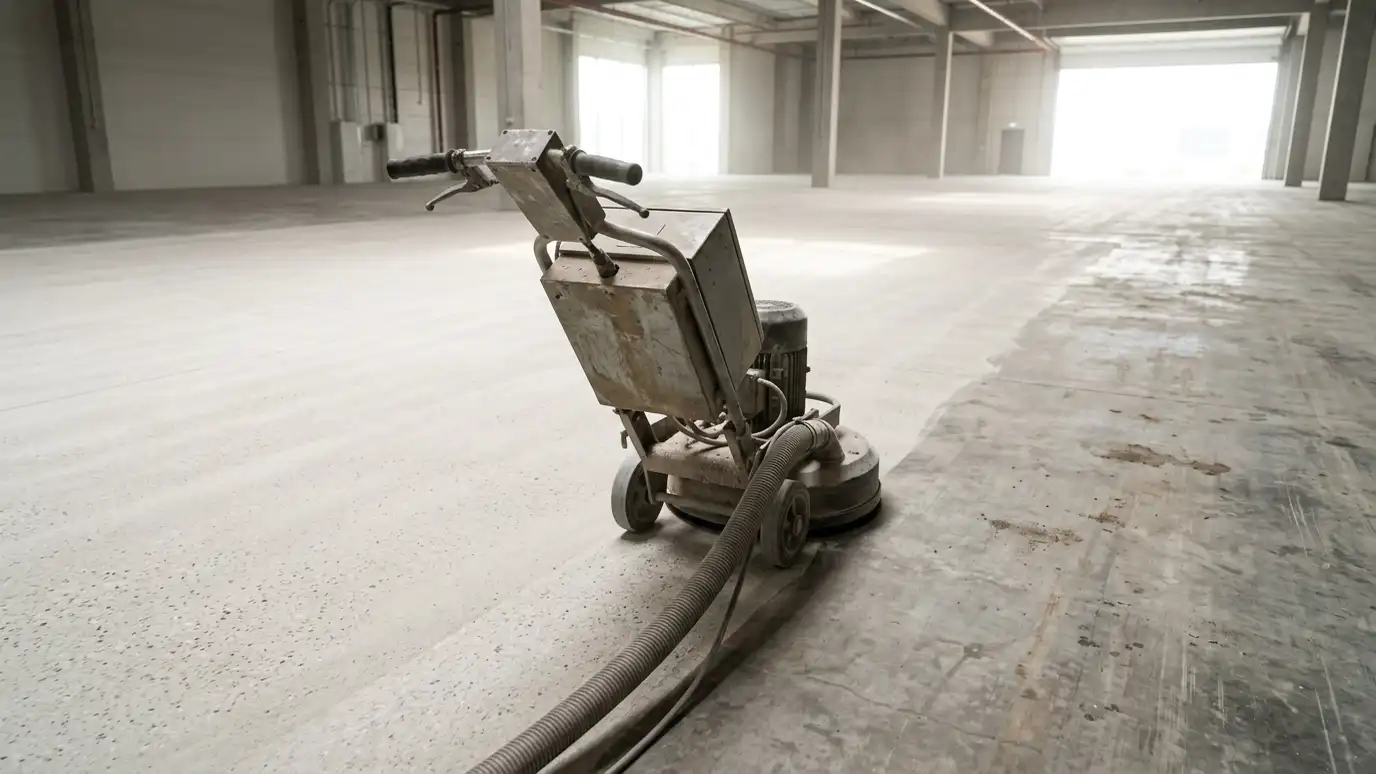
We start by grinding and cleaning the slab, repairing what needs repair and priming so the new layer bonds. The overlay is mixed and spread by trowel or squeegee to the thickness the surface requires, then left to cure. Once ready, it is lightly ground or cleaned and the coating system goes on top. We explain that overlays are not for fixing structural problems, that very thin edges can chip if not handled well and that the best results come from a careful plan rather than a quick skim over a poorly prepared slab.
Pits, patches and rough finishes are covered.
The overlay is tied to prepared concrete.
The overlay is ready before flakes or color go on.
Overlays do not fix structural problems.
Pits, patches and rough finishes are covered.
The overlay is tied to prepared concrete.
Material is spread to what the surface needs.
The overlay is ready before flakes or color go on.
Overlays do not fix structural problems.
Thin edges are handled so they do not chip.
Every topic has its own page with what to expect and how we approach it.
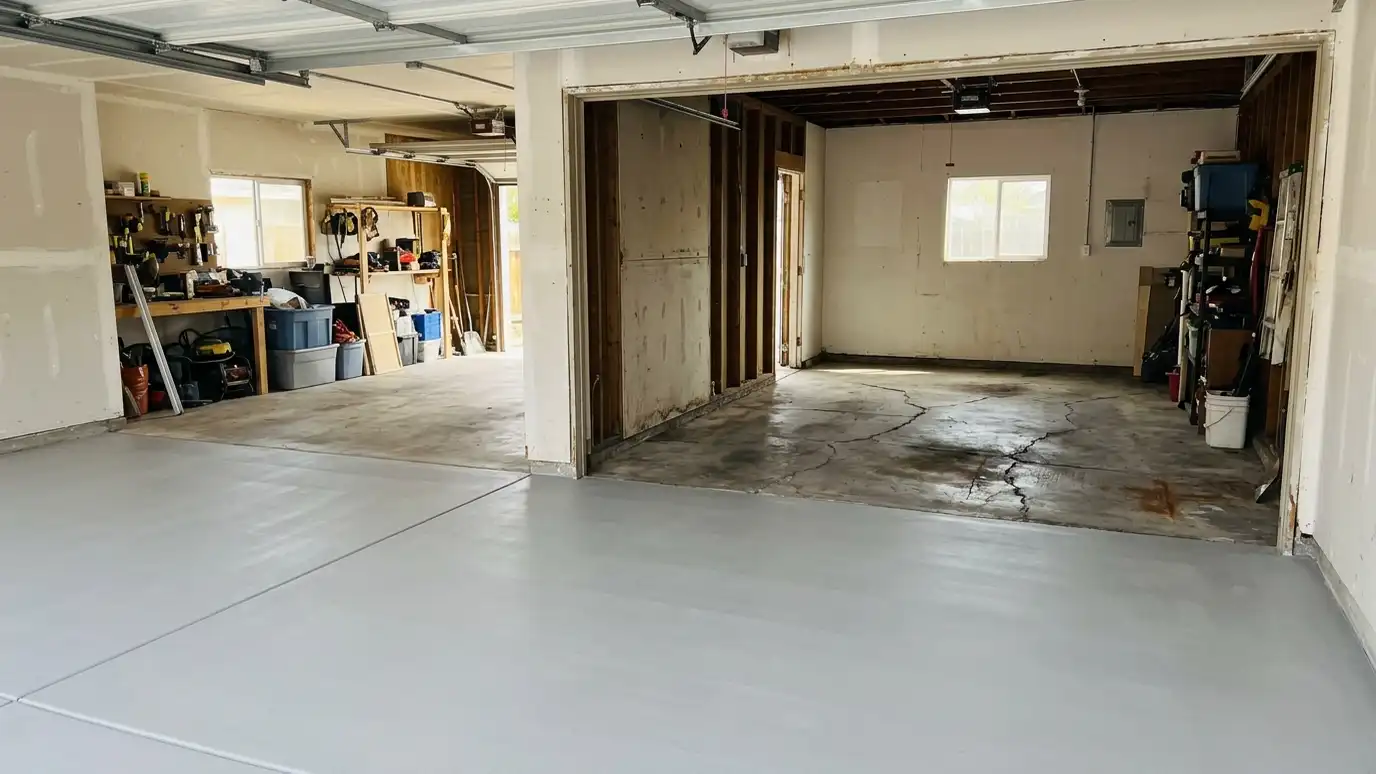 Comparison guideNew vs Old ConcreteHow slab age, curing, hard-troweled finishes, cracks and past sealers change the way a floor is prepared and…Learn more
 ResourceQuikreteA maker of bagged concrete, mortar and repair products with how-to guides for owners and contractors.Learn more
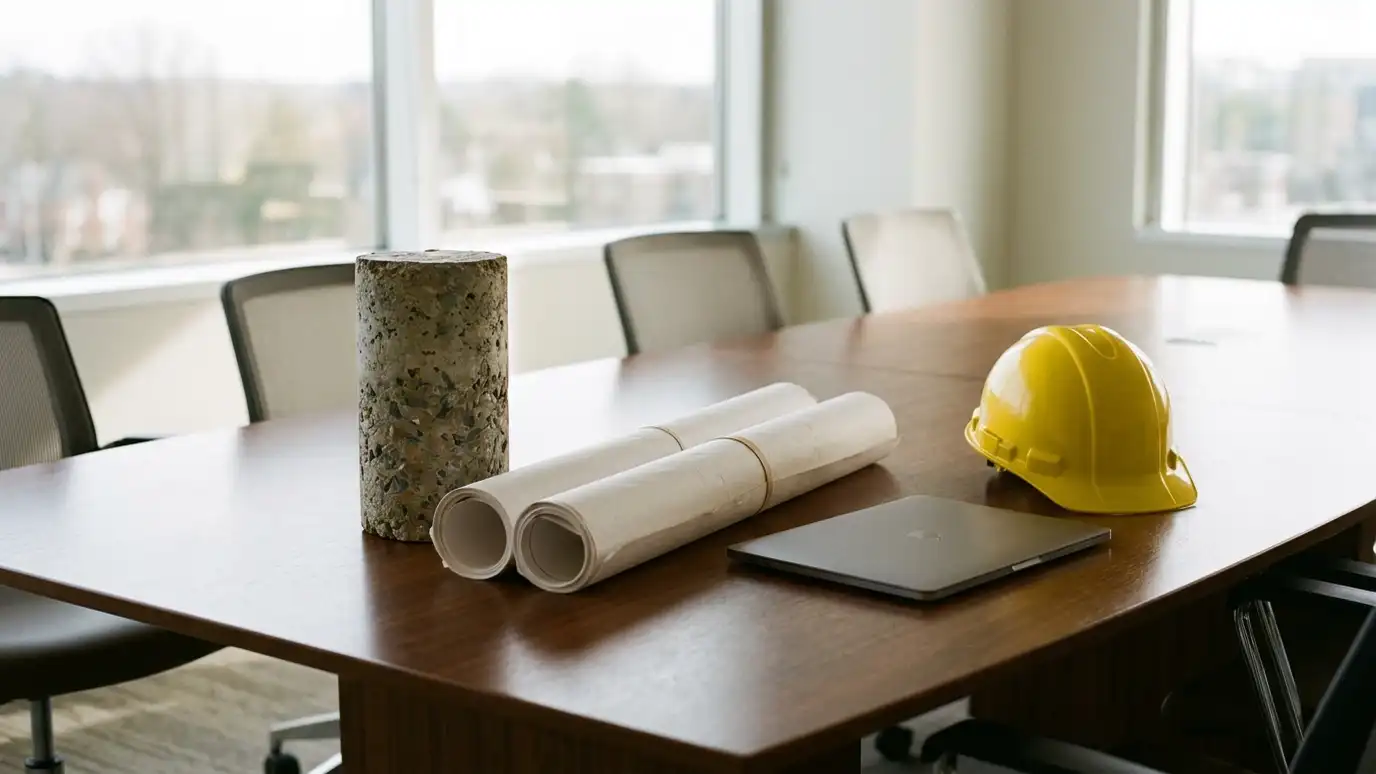 ResourcePortland Cement AssociationA trade association for cement manufacturers that shares research and information about cement and concrete.Learn more
Tick what you notice about your slab, from cracks and stains to moisture and old coatings, to see what to check and fix before a consultation.
You tell us what you want to coat, how you use the space and what bothers you about the floor, and we set a visit.
We measure the floor, check cracks, stains and moisture, take photos and talk through colors and finishes.
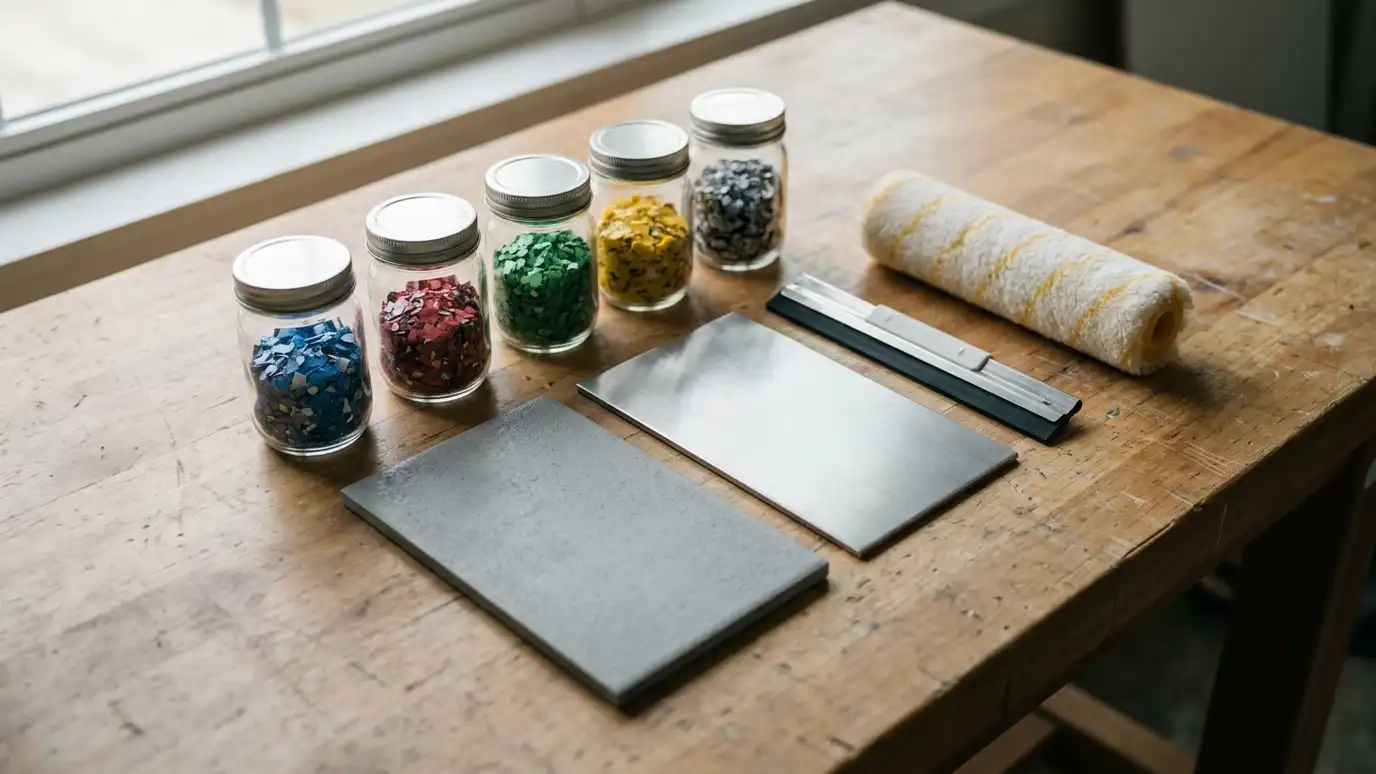
You review samples, a design preview and a plain written scope with every layer and the schedule before anything is ordered.
We clear and protect the space, diamond grind the slab, repair cracks and joints and clean the surface.
We apply the basecoat, broadcast flakes or color and roll the clear topcoat, then give you a cure schedule.
We walk the finished floor with you, share a care guide and schedule a first checkup.
No. It adds a thin new surface over a sound slab.
It can if the slab below is moving. We explain the risks and choose products to suit.
Yes, once it has cured and been prepared.
Thin layers are common. We choose thickness by the condition of the surface.
It helps minor unevenness, but drainage slopes should be kept as designed.
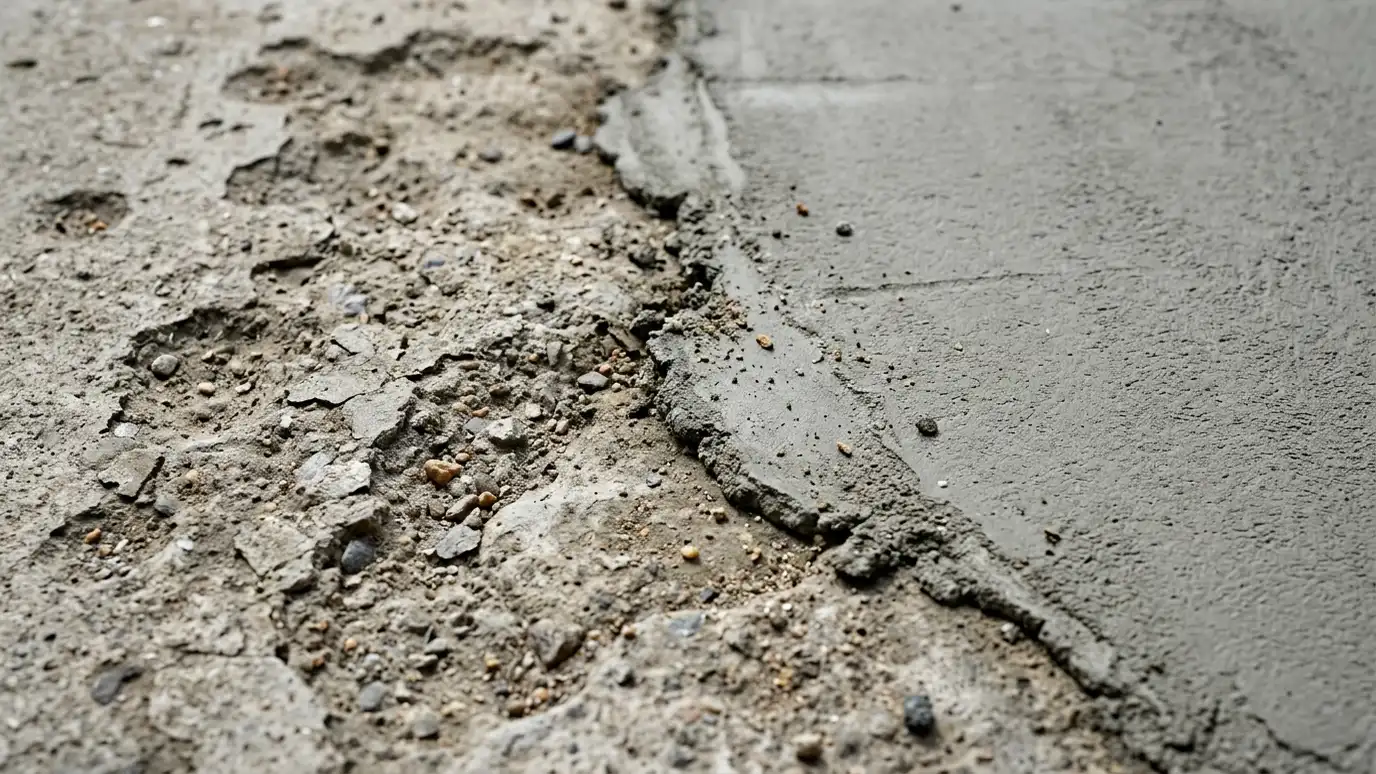 Spall and Pitting RepairSpall and pitting repair that patches chipped edges, popouts and pitted surfaces with well-keyed repair mortar so the…Explore
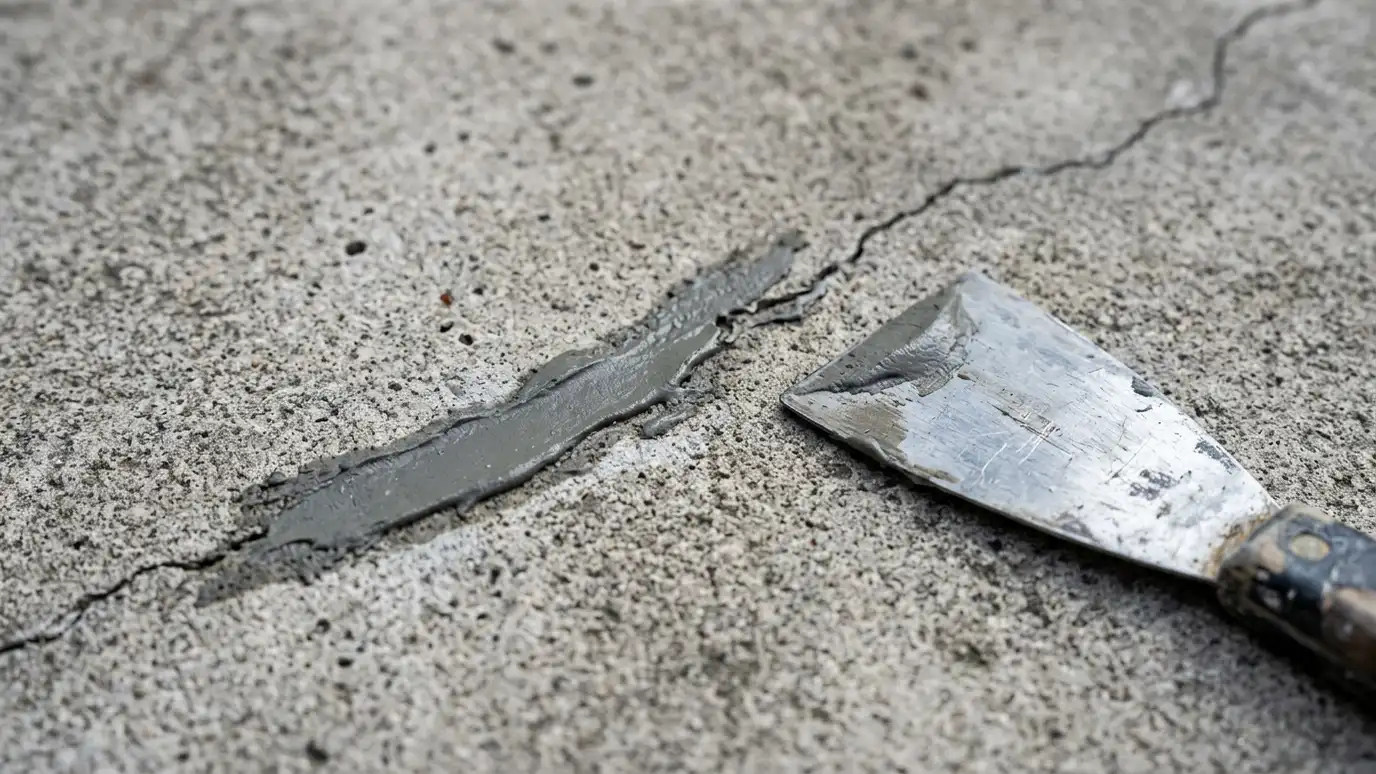 Concrete Crack RepairConcrete crack repair that routs, cleans and fills hairline and larger cracks with flexible or rigid repair materials…Explore
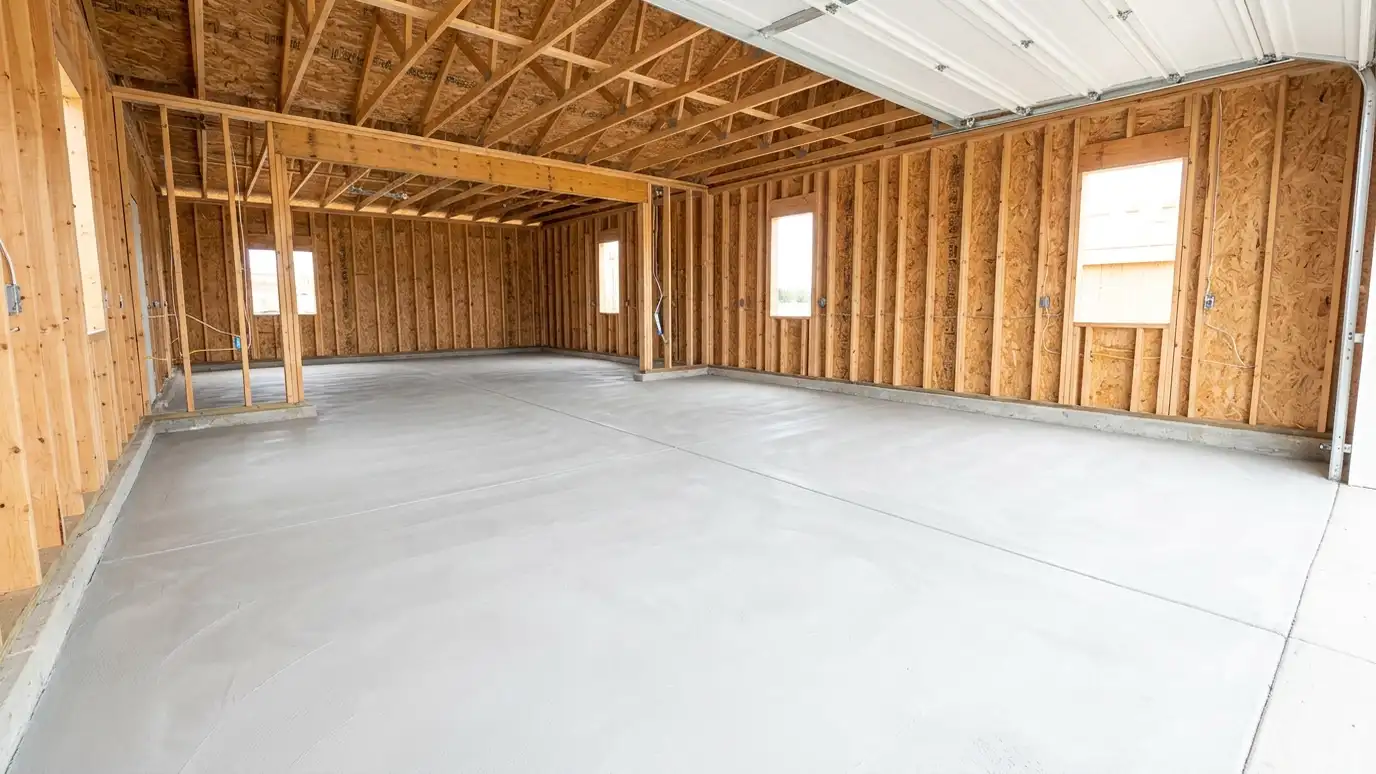 New Concrete Garage Floor CoatingNew concrete garage floor coating that waits for the slab to cure, tests moisture and preps the surface…Explore
 Diamond Grinding and Surface PrepDiamond grinding and surface prep that opens concrete, removes laitance and old coatings and gives a polyaspartic system…Explore
Tell us about your floor and we will call you back to set up a visit.
Or call (615) 357-7797 to talk now.