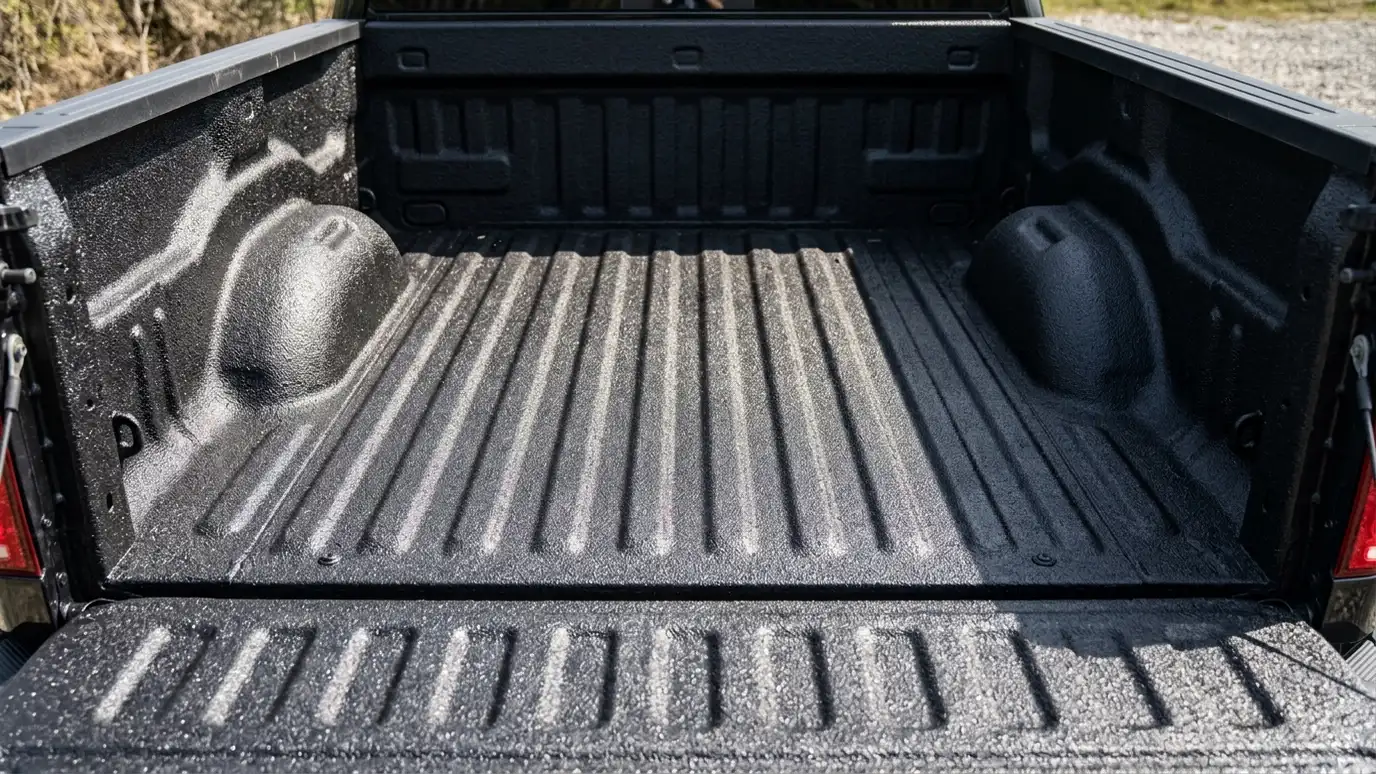
Truck bed and trailer liners sprayed with tough, textured polyurea for pickup beds, flatbeds, utility trailers and equipment decks that need protection from scrapes, rust and moisture.
Cargo areas take punishment: tools slide, loads shift, water collects and rust starts where paint chips. A sprayed polyurea liner gives pickup beds, utility trailers, flatbeds and equipment decks a thick, textured, waterproof skin that grips cargo, hides scratches and resists many chemicals. It bonds to a properly prepared surface and cures fast, so a vehicle can be back at work quickly. Nashville contractors, farmers and weekend haulers rely on their beds and trailers, and a good liner protects that investment.
We start by inspecting the surface for rust, dents and old coatings, then clean, sand and prime so the liner can bond. Areas not to be coated are masked, and the liner is sprayed in even coats to the thickness chosen for the job. Texture, color and gloss can be adjusted, and we talk about options like a smoother liner for easy cleanup or a coarser one for grip. We also explain care: wash with mild soap, avoid harsh solvents and keep heavy sharp loads from dragging when you can.
Rust and old coatings are dealt with before spraying.
Cargo stays put and scratches hide.
Moisture stays away from the metal.
You get simple wash and wear tips.
Rust and old coatings are dealt with before spraying.
Cargo stays put and scratches are hidden.
Moisture stays away from the metal.
Smoother or coarser finishes are possible.
Edges, hardware and parts are protected.
You get simple wash and wear tips.
Every topic has its own page with what to expect and how we approach it.
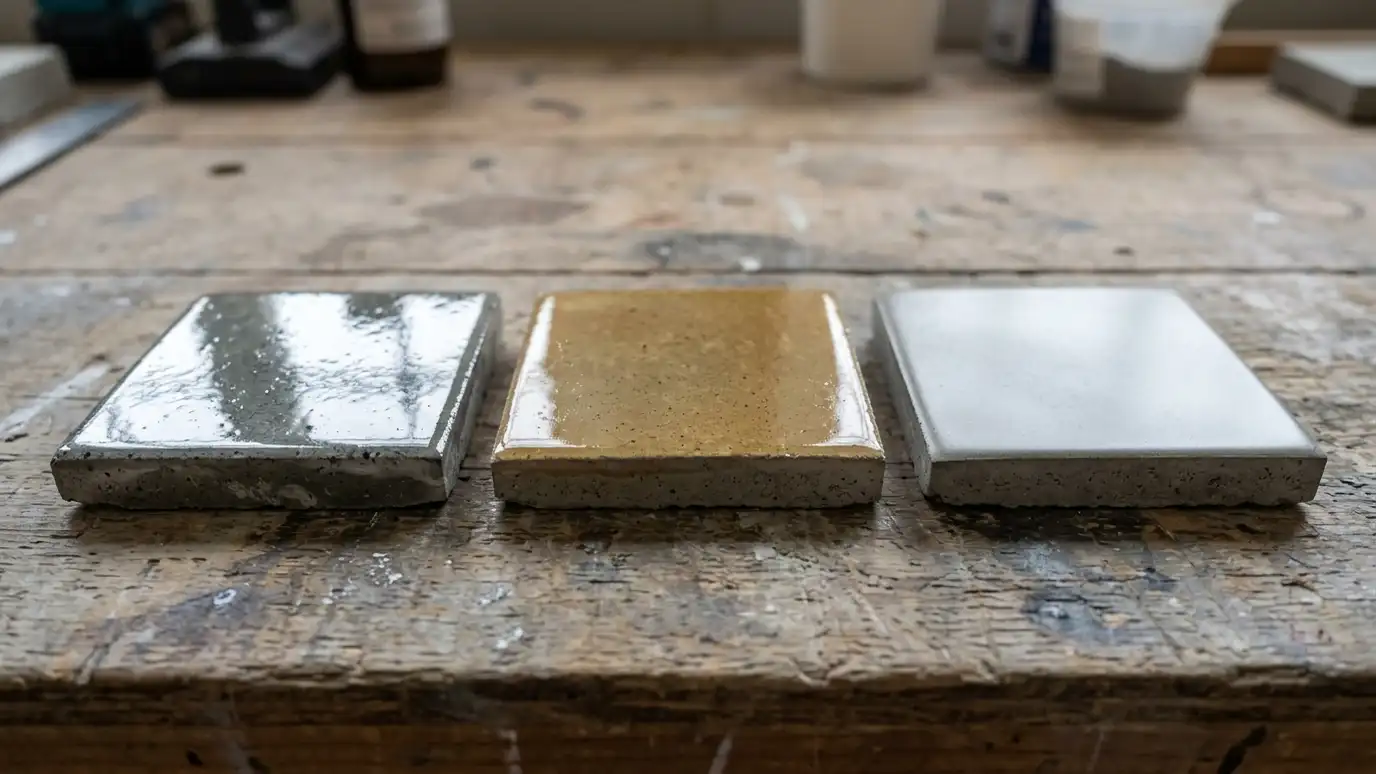 Comparison guidePolyaspartic vs Epoxy vs PolyureaHow the three coating families differ in cure speed, sun stability, thickness, odor, flexibility and the work they…Learn more
 ResourcePolyurea Development AssociationAn industry association that shares information about polyurea technology and its uses.Learn more
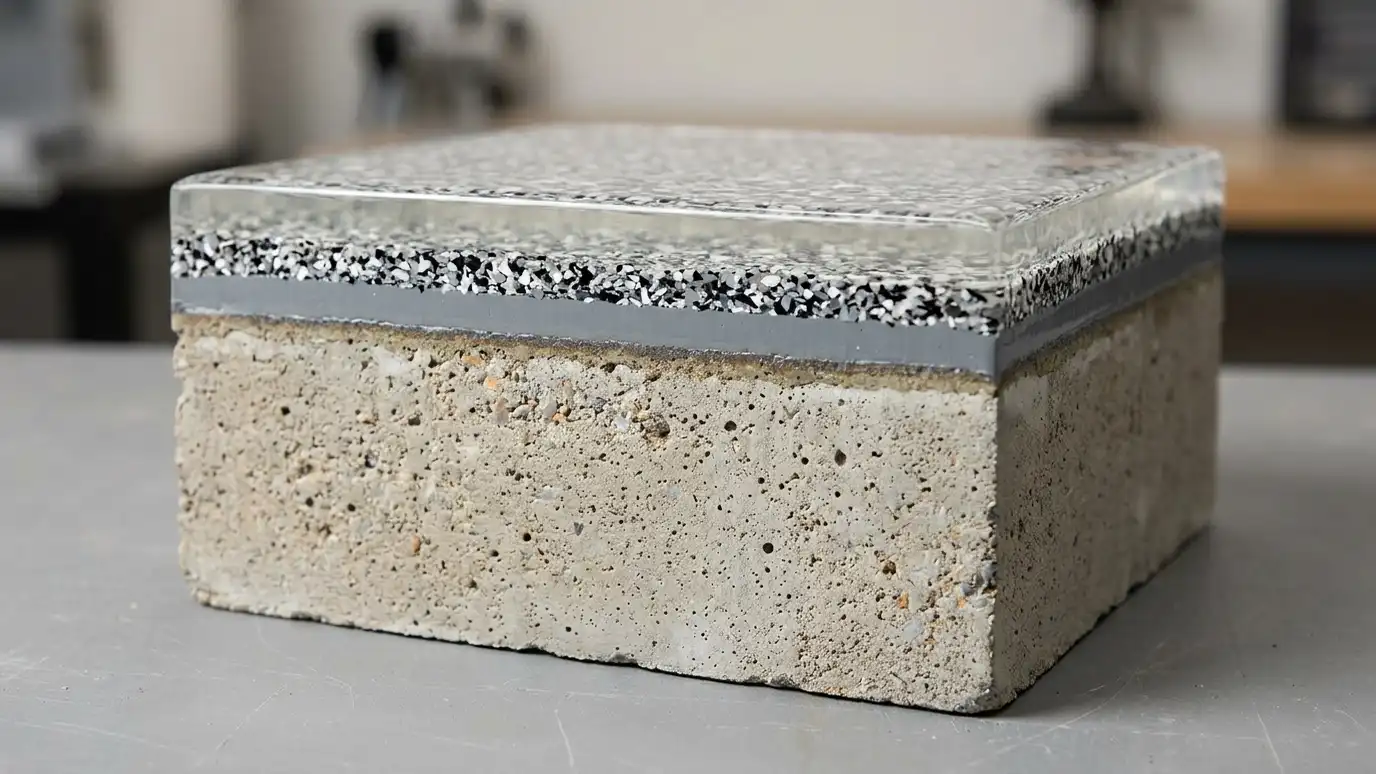 Comparison guideLayers and ThicknessHow primer, basecoat, flake and topcoat layers add up to a floor system, and why thickness and layer…Learn more
Answer five questions about your floor, goals and timing to see which services to start with.
You tell us what you want to coat, how you use the space and what bothers you about the floor, and we set a visit.
We measure the floor, check cracks, stains and moisture, take photos and talk through colors and finishes.
You review samples, a design preview and a plain written scope with every layer and the schedule before anything is ordered.
We clear and protect the space, diamond grind the slab, repair cracks and joints and clean the surface.
We apply the basecoat, broadcast flakes or color and roll the clear topcoat, then give you a cure schedule.
We walk the finished floor with you, share a care guide and schedule a first checkup.
Cure times are short, and we give you a clear schedule.
A well-prepared liner seals the surface, but existing rust must be treated first.
Yes. Common choices are black and custom shades.
It resists scratches well, but hard dragging can mark any surface.
Yes, after cleaning and priming.
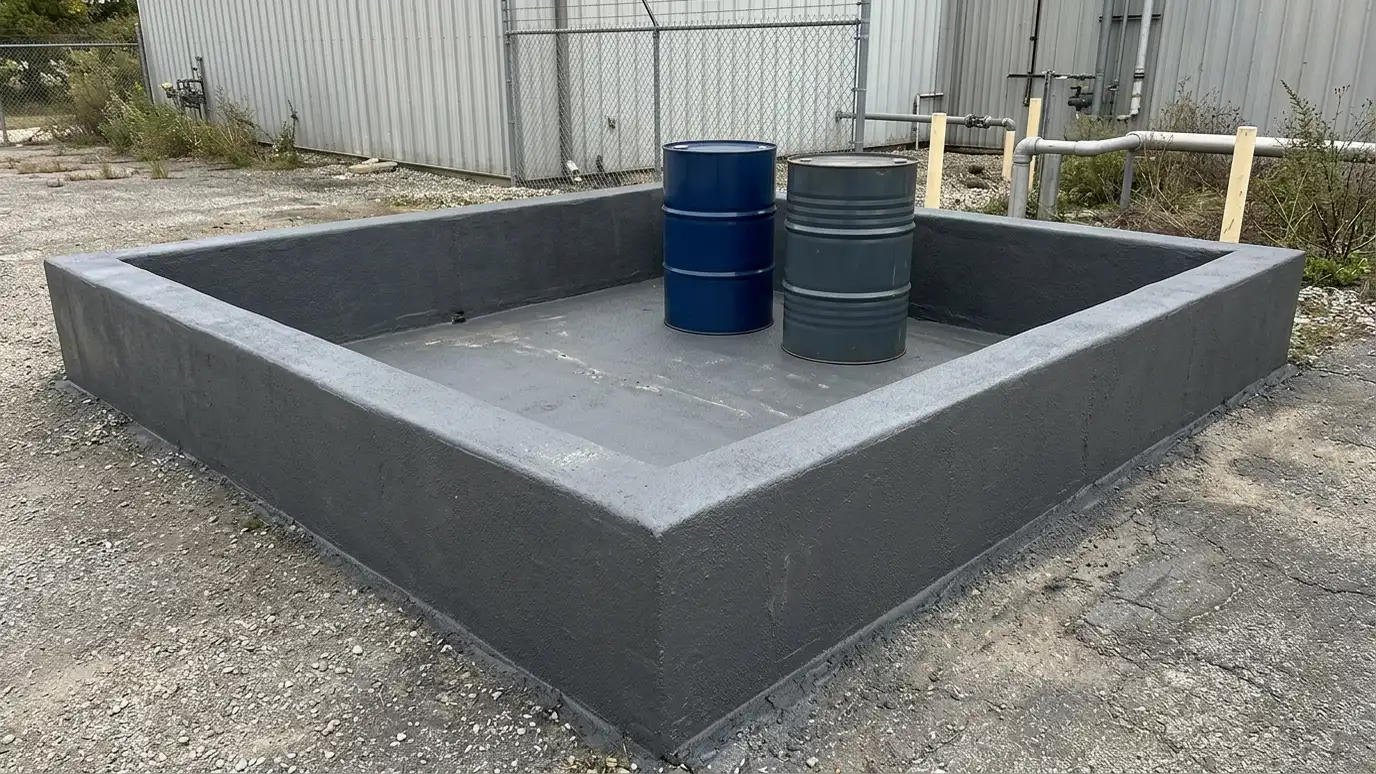 Polyurea Secondary ContainmentPolyurea secondary containment linings that coat curbs, basins and floors around tanks and drums with a seamless, chemical-resistant…Explore
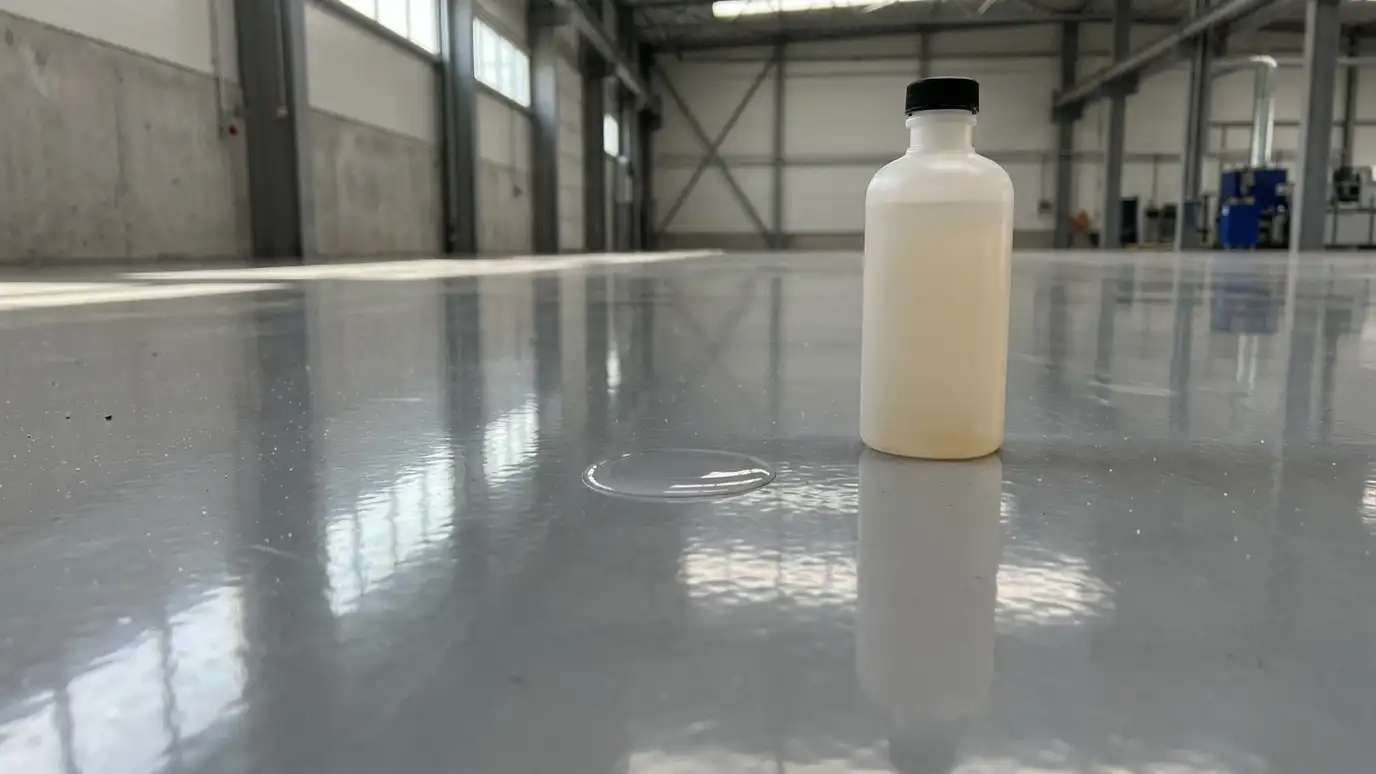 Chemical-Resistant Floor CoatingsChemical-resistant floor coatings that protect concrete in shops, labs, plants and garages from acids, bases, fuels and cleaners…Explore
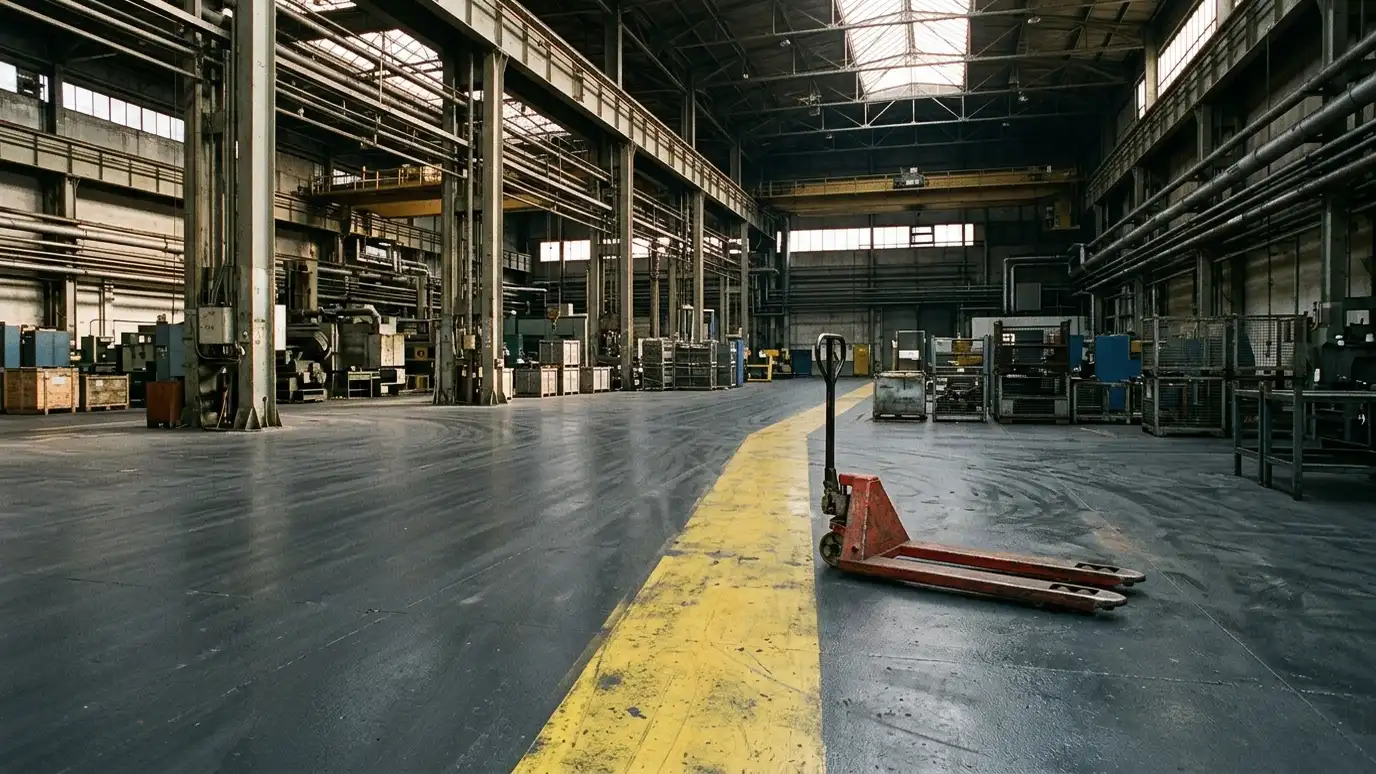 Heavy-Duty Industrial Polyurea FloorsHeavy-duty industrial polyurea floors with thick-build, impact-resistant systems for plants, shops and yards where forklifts, pallets and equipment…Explore
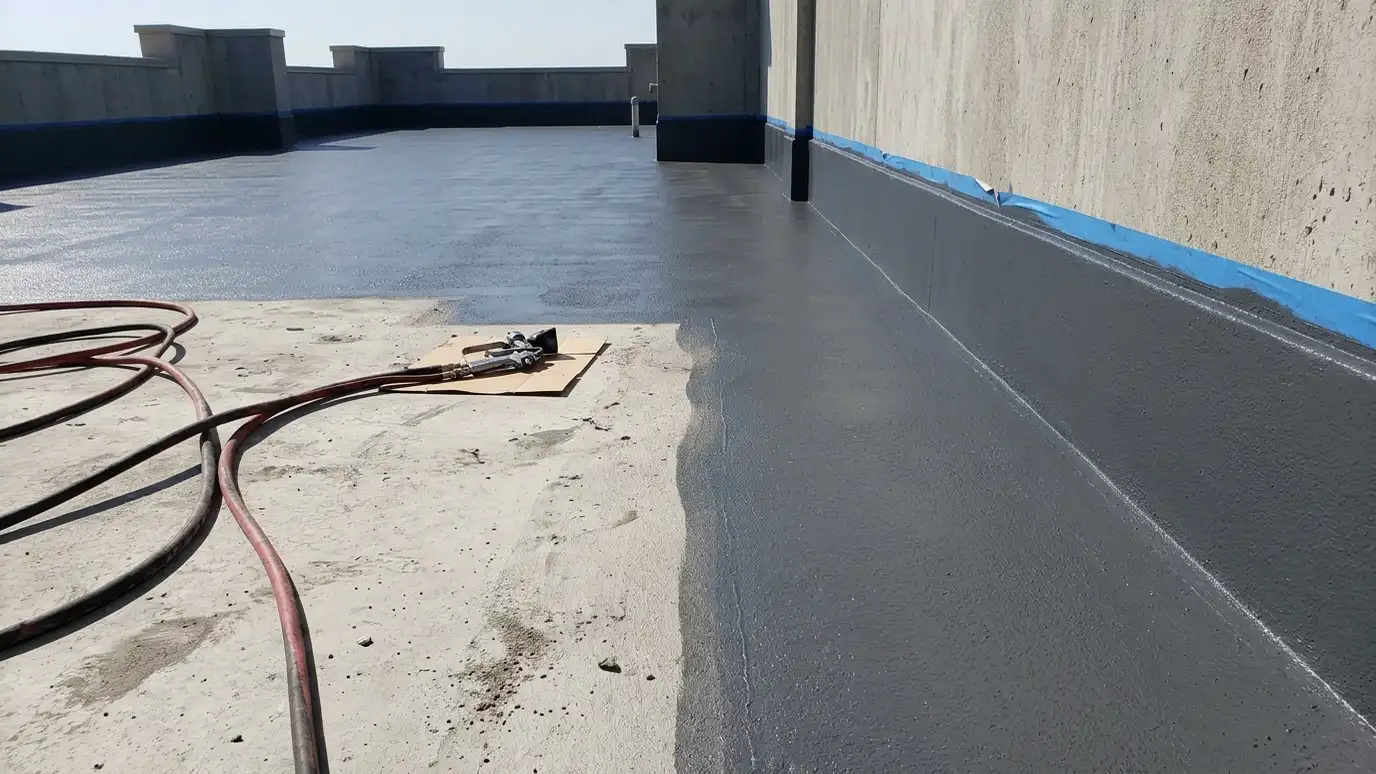 Polyurea Waterproofing MembranesPolyurea waterproofing membranes that seal concrete decks, planters, pits and walls with a seamless, flexible, fast-curing spray or…Explore
Tell us about your floor and we will call you back to set up a visit.
Or call (615) 357-7797 to talk now.