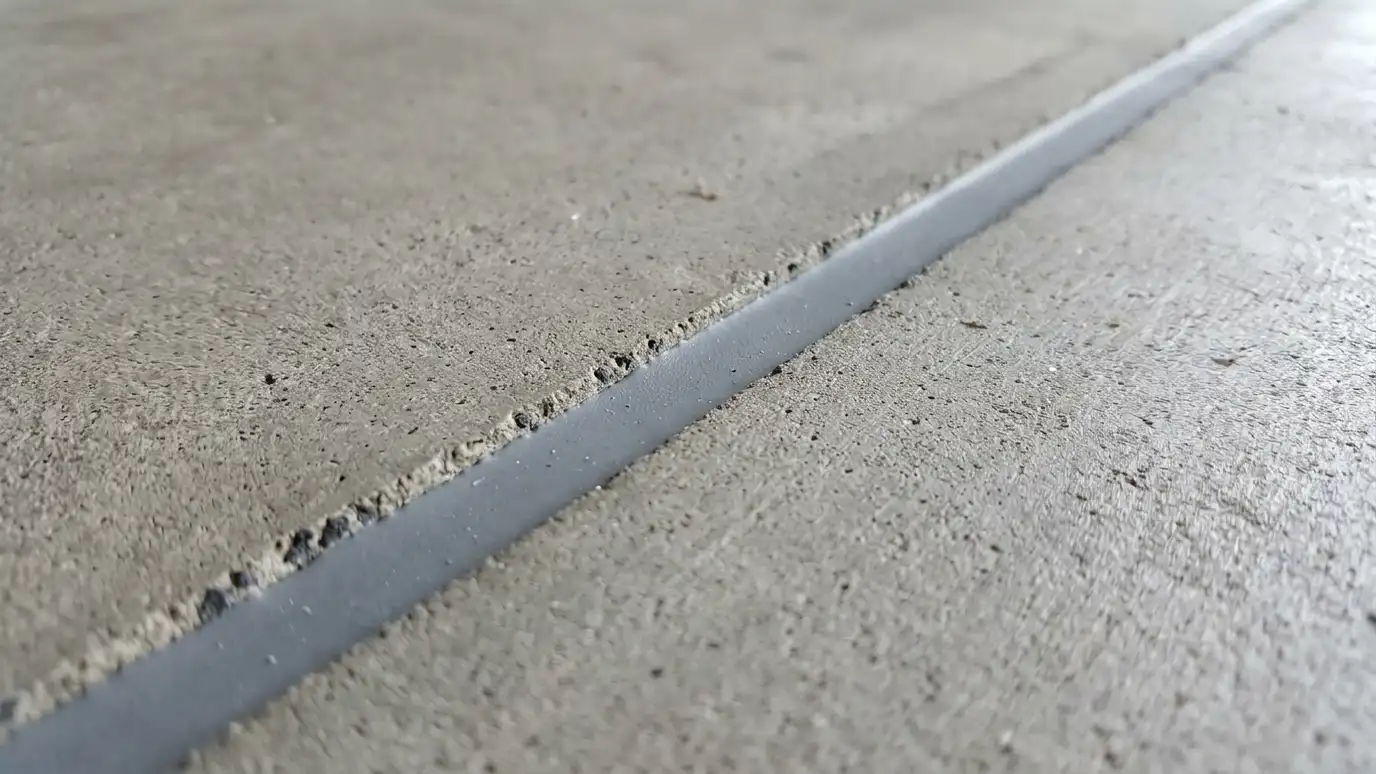
Control joint and expansion joint filling that cleans out sawn and expansion joints and fills them with a flexible filler before the garage floor is coated.
Joints are planned cracks. Concrete slabs are cut or formed with joints so they crack along straight lines rather than randomly, and some slabs have expansion joints where they meet walls, steps or other slabs. Left alone, joints are a trap for dirt and water, and coating over them without care leads to cracking along the line. A proper joint treatment keeps the floor looking even and gives the coating a smooth path. Nashville garages that heat and cool through the year give joints plenty of work to do.
We clean the joint of dirt, old caulk and loose concrete and decide how to treat it. In most cases we fill a control joint with a semi-rigid filler, flush with the slab, which supports the edges and lets the coating run smoothly over the top. Where movement is more likely, such as at an expansion joint, we use a flexible sealant and sometimes leave the joint visible and finished so it can still move. We talk through which joints we fill, which we keep and what you will see on the finished floor.
Old caulk and dirt are removed before filling.
Control joints get a semi-rigid filler.
Expansion joints keep a flexible sealant.
You see which joints are filled and which stay visible.
Old caulk, dirt and loose concrete are removed.
Control joints are filled flush for a smooth surface.
Moving joints keep a flexible sealant.
Filler protects the corners of the joint from chipping.
You see which joints are filled and which stay visible.
Joint treatment is planned with the system.
Every topic has its own page with what to expect and how we approach it.
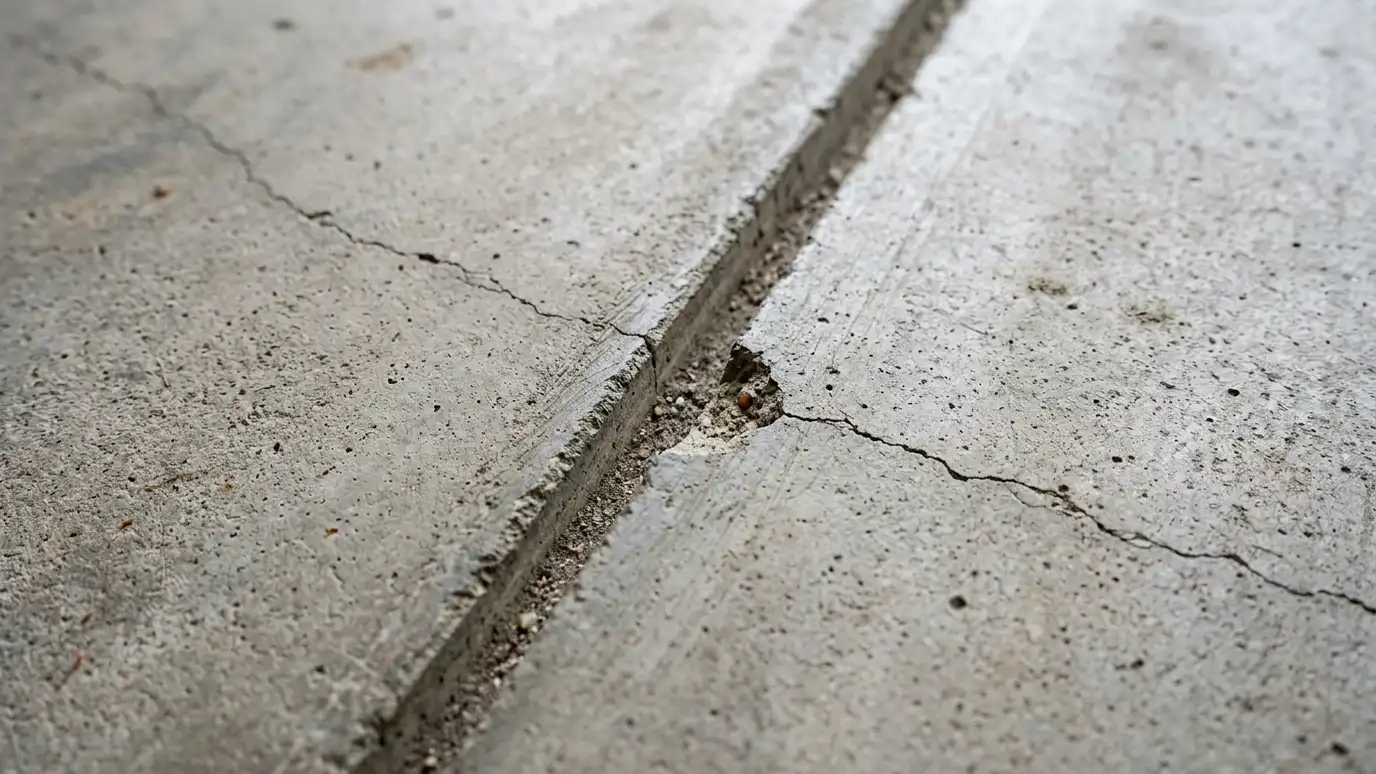 Comparison guideCracks, Joints and RepairsWhy garage slabs crack, how joints work and how repairs are chosen and hidden under a coating.Learn more
 ResourceAmerican Concrete InstituteA nonprofit technical society that publishes standards, guides and training about concrete design, repair and construction.Learn more
 ResourceSikaA construction chemicals company that makes flooring systems, sealants, waterproofing and concrete products.Learn more
Pick a concern, such as peeling, hot tire marks, stains, moisture or cracks, to get likely causes, what to try first and the service page that fits.
You tell us what you want to coat, how you use the space and what bothers you about the floor, and we set a visit.
We measure the floor, check cracks, stains and moisture, take photos and talk through colors and finishes.
You review samples, a design preview and a plain written scope with every layer and the schedule before anything is ordered.
We clear and protect the space, diamond grind the slab, repair cracks and joints and clean the surface.
We apply the basecoat, broadcast flakes or color and roll the clear topcoat, then give you a cure schedule.
We walk the finished floor with you, share a care guide and schedule a first checkup.
Not always. We choose between filling, sealing and honoring joints that need to move.
Often a faint line remains, which is normal. We explain what to expect.
A coating without support at a joint can crack or chip along the line.
Some fillers are semi-rigid and some are flexible. We choose by joint type.
Yes, though it is easier to do it correctly before coating.
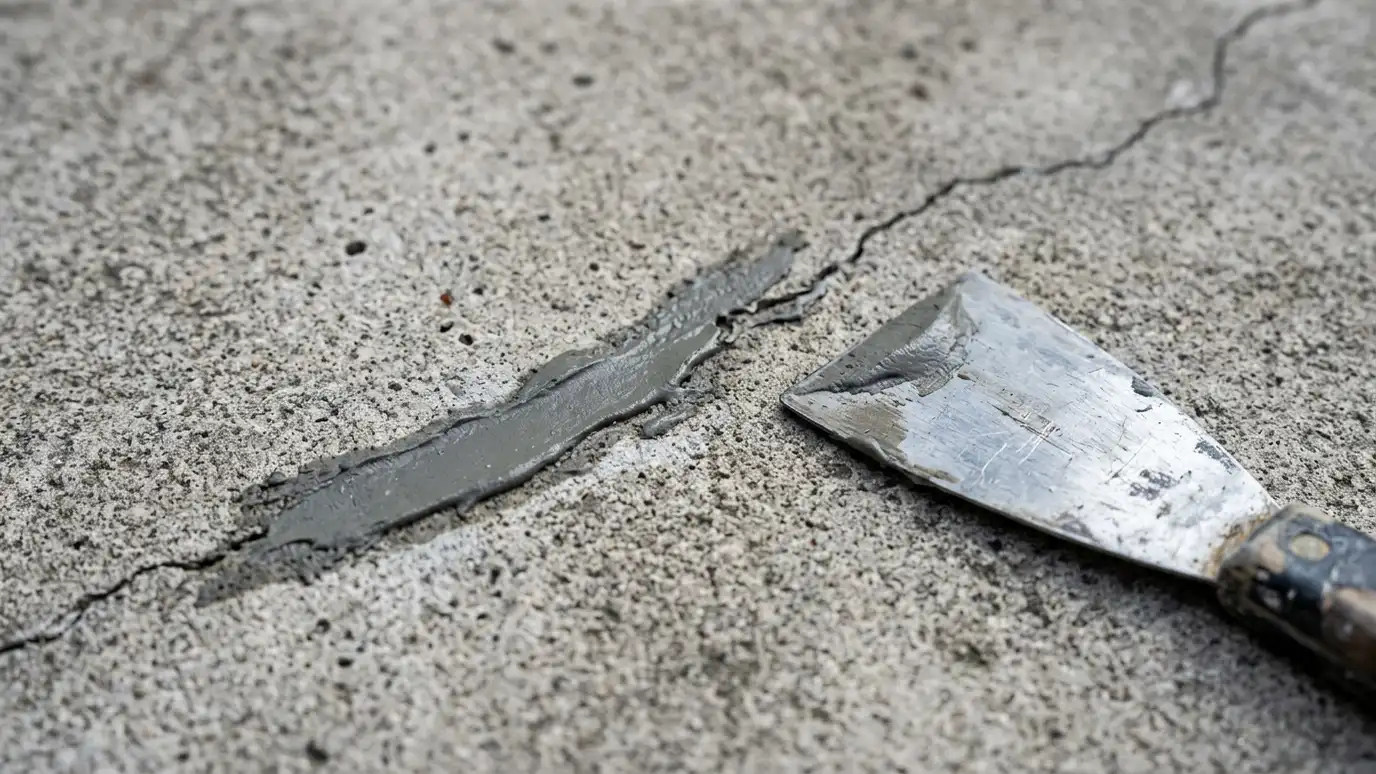 Concrete Crack RepairConcrete crack repair that routs, cleans and fills hairline and larger cracks with flexible or rigid repair materials…Explore
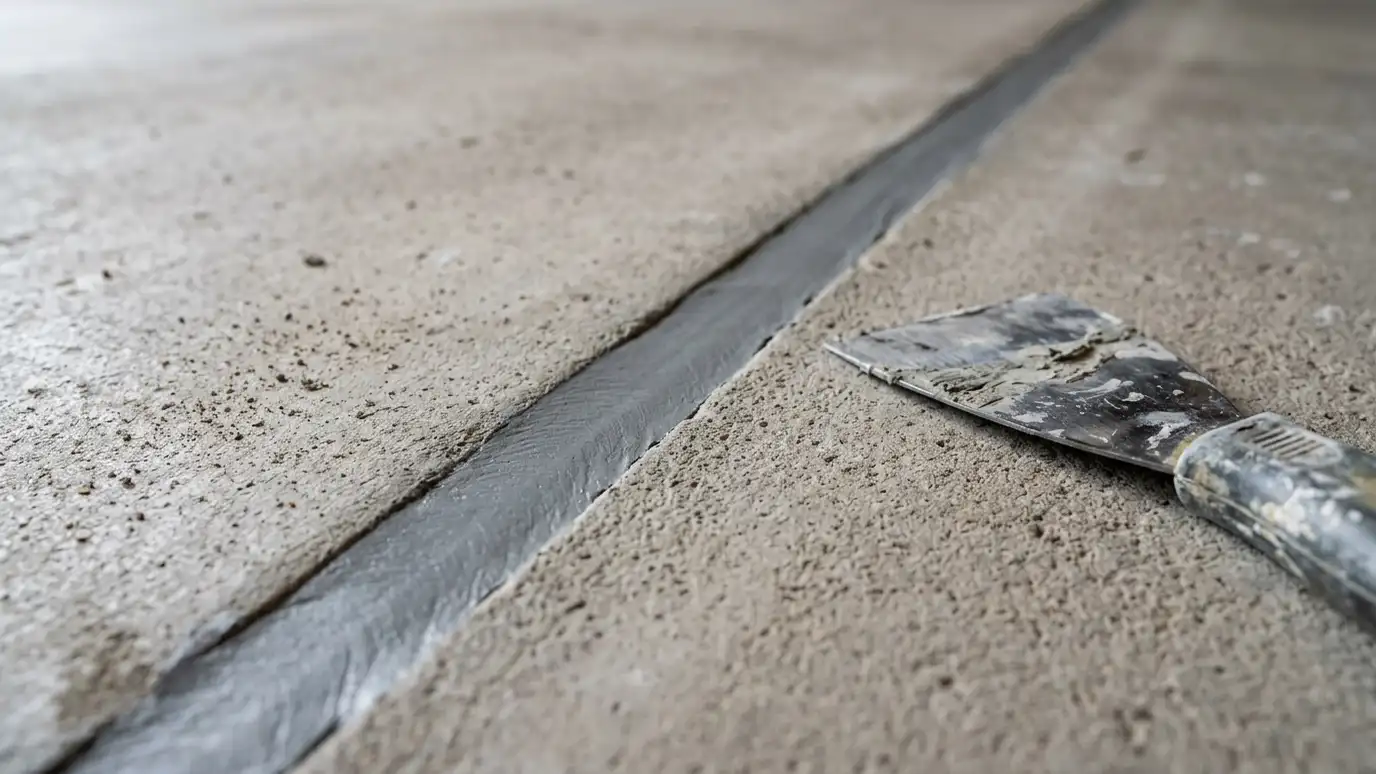 Polyurea Joint and Crack SystemsPolyurea joint and crack systems that fill control joints, cracks and cold joints with fast-curing, semi-rigid polyurea so…Explore
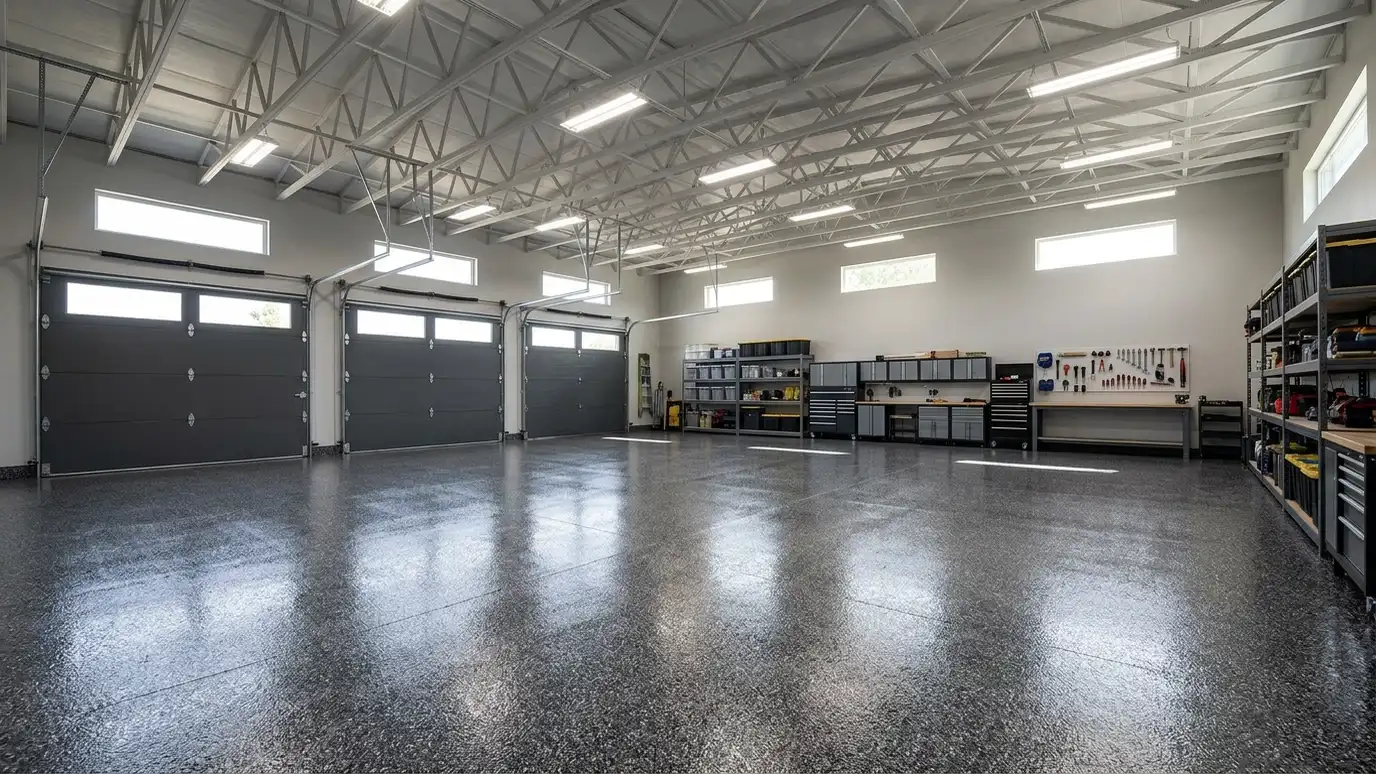 Three-Car and Oversized Garage Floor CoatingThree-car and oversized garage floor coating that handles larger slabs, multiple joints and long schedules with careful planning…Explore
 Warehouse Floor CoatingWarehouse floor coating that seals large concrete floors with polyaspartic or polyurea systems built for forklifts, pallets, dust…Explore
Tell us about your floor and we will call you back to set up a visit.
Or call (615) 357-7797 to talk now.