Epoxy-to-polyaspartic recoat service that removes failing coatings or scuffs sound ones, then renews the floor with a UV-stable polyaspartic system.
Older epoxy floors tend to show their age in the same ways: peeling near the door, yellowing in sunlight, hot tire lifting and a dull, scratched surface. Recoating with polyaspartic can bring the floor back, but only if the old coating is sound or removed correctly. A coating that is already letting go will carry the new one with it. Nashville garages with big windows or open doors often see the most yellowing, which is one reason owners ask us about moving to a UV-stable topcoat.
We begin by testing the old coating for bond, checking for moisture and looking at the condition of the slab. If it is sound, we grind or scuff it, repair damage and apply a polyaspartic system that renews the color and finish. If it is failing, we grind it away, treat the concrete underneath and rebuild the system from the slab up. We explain which path your floor needs, why, and how the cost and time differ, so you can decide with the facts in front of you.
A bond test shows whether it can stay or must go.
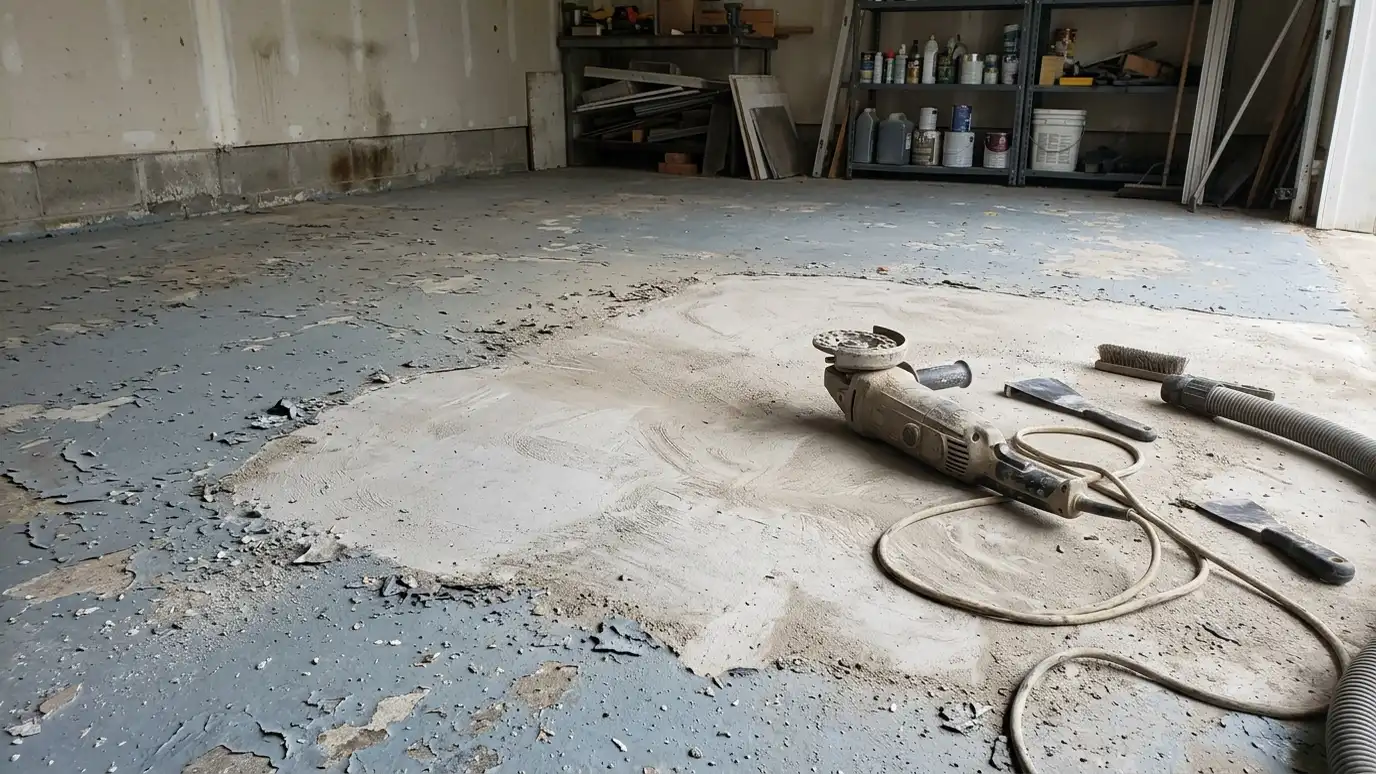
Peeling coatings are ground away, not covered.
Moisture and damage are treated underneath.
A polyaspartic topcoat resists yellowing.
We check whether the old coating is holding before we build on it.
Sound coatings are scuffed, and failing ones are ground away.
Moisture and damage are addressed underneath.
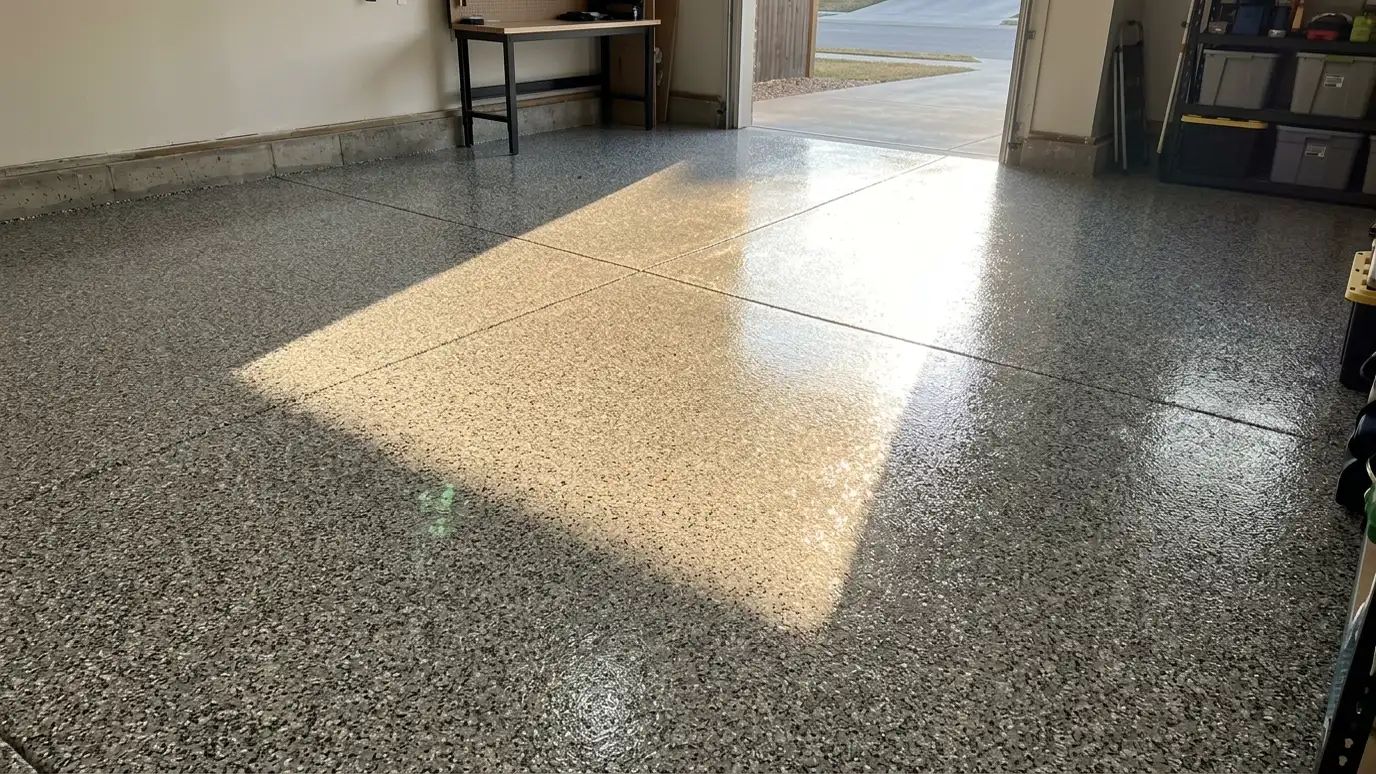
A polyaspartic finish resists sun yellowing.
You learn whether a recoat or a full redo makes sense.
Color and finish are renewed to match your style.
Every topic has its own page with what to expect and how we approach it.
 Comparison guidePolyaspartic vs Epoxy vs PolyureaHow the three coating families differ in cure speed, sun stability, thickness, odor, flexibility and the work they…Learn more
 Comparison guideUV Stability and YellowingWhy some coatings turn amber in sunlight, how polyaspartic topcoats resist it and what to expect near open…Learn more
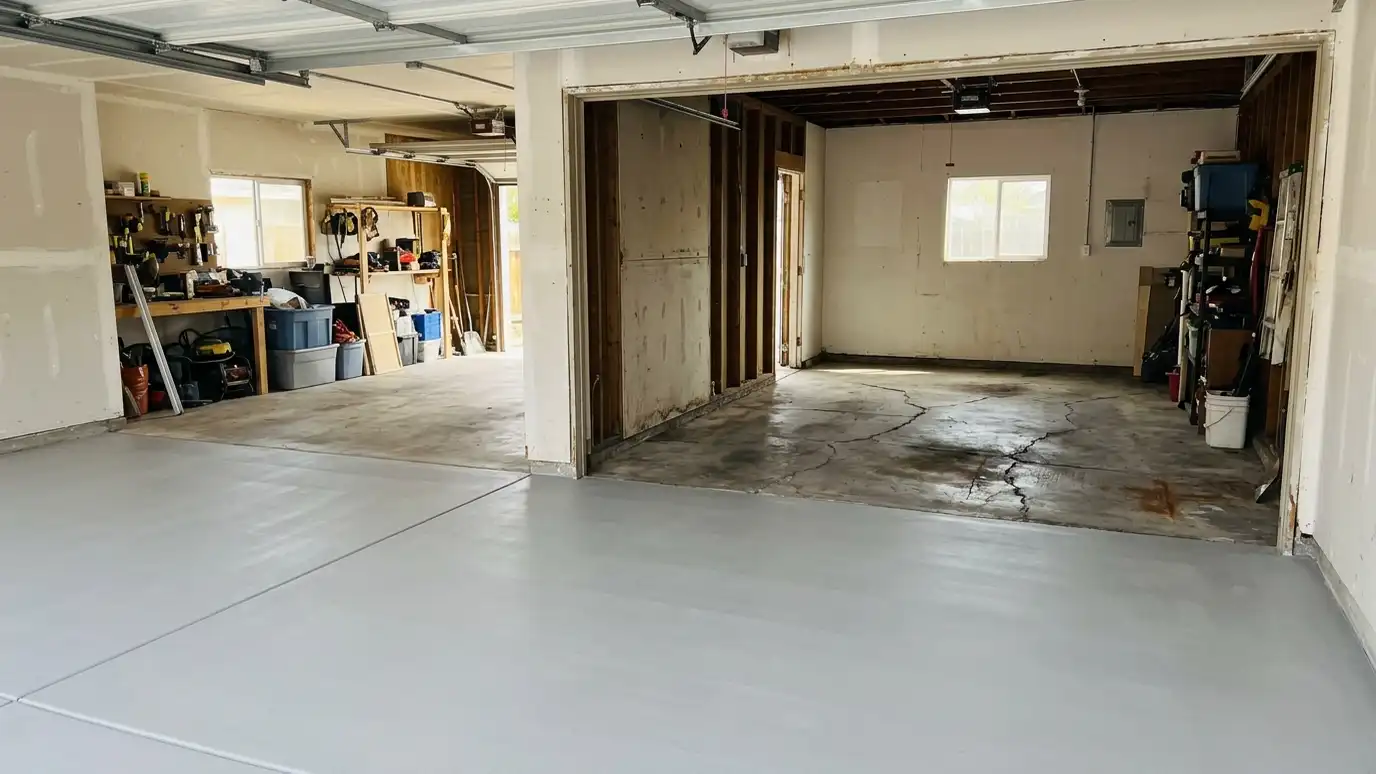 Comparison guideNew vs Old ConcreteHow slab age, curing, hard-troweled finishes, cracks and past sealers change the way a floor is prepared and…Learn more
Tick what you notice about your slab, from cracks and stains to moisture and old coatings, to see what to check and fix before a consultation.
You tell us what you want to coat, how you use the space and what bothers you about the floor, and we set a visit.
We measure the floor, check cracks, stains and moisture, take photos and talk through colors and finishes.
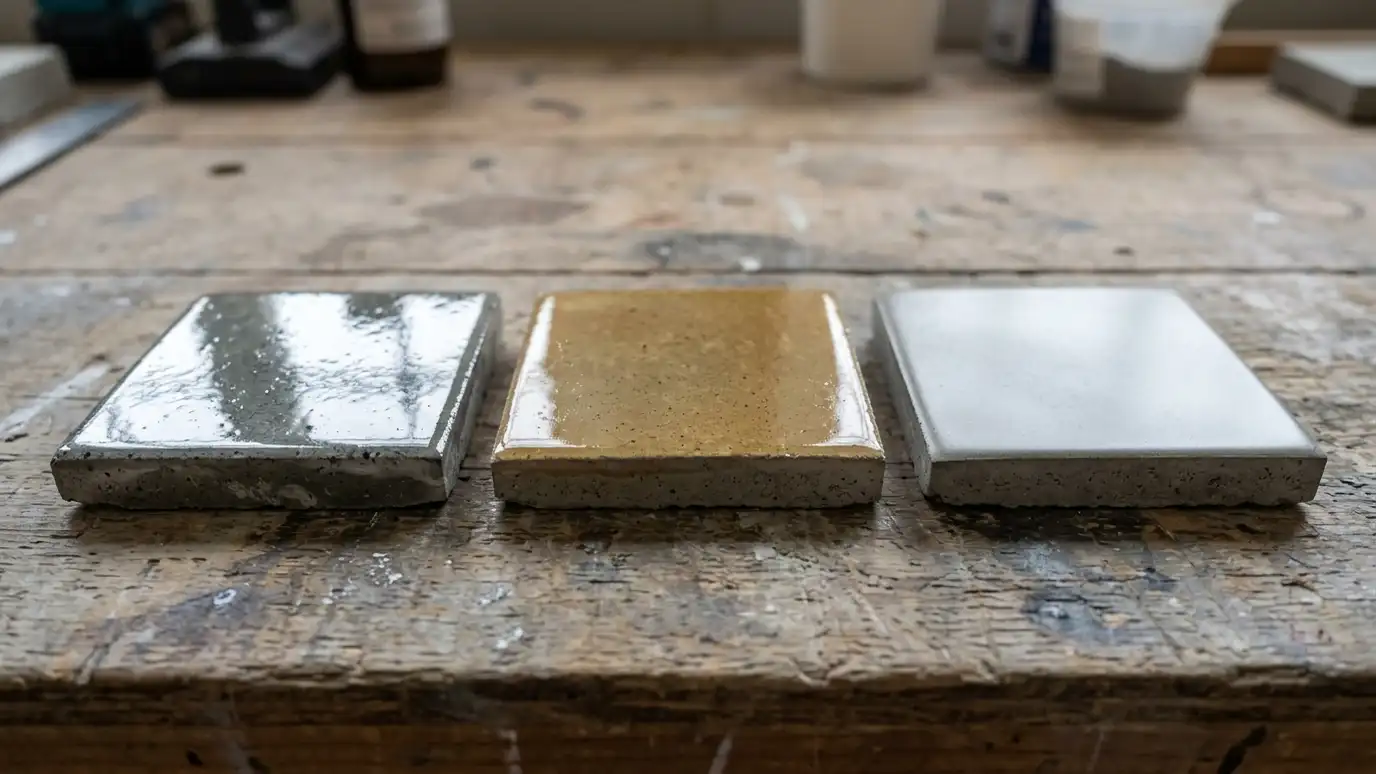
You review samples, a design preview and a plain written scope with every layer and the schedule before anything is ordered.
We clear and protect the space, diamond grind the slab, repair cracks and joints and clean the surface.
We apply the basecoat, broadcast flakes or color and roll the clear topcoat, then give you a cure schedule.
We walk the finished floor with you, share a care guide and schedule a first checkup.
No. Peeling areas must be removed so the new coating has something solid to bond to.
Polyaspartic topcoats are made to resist UV yellowing, which is a common upgrade from older epoxy.
A bond test and a careful inspection tell us.
Often yes, when the old coating is sound, though prep still matters.
Yes. A new basecoat and flakes can transform the look.
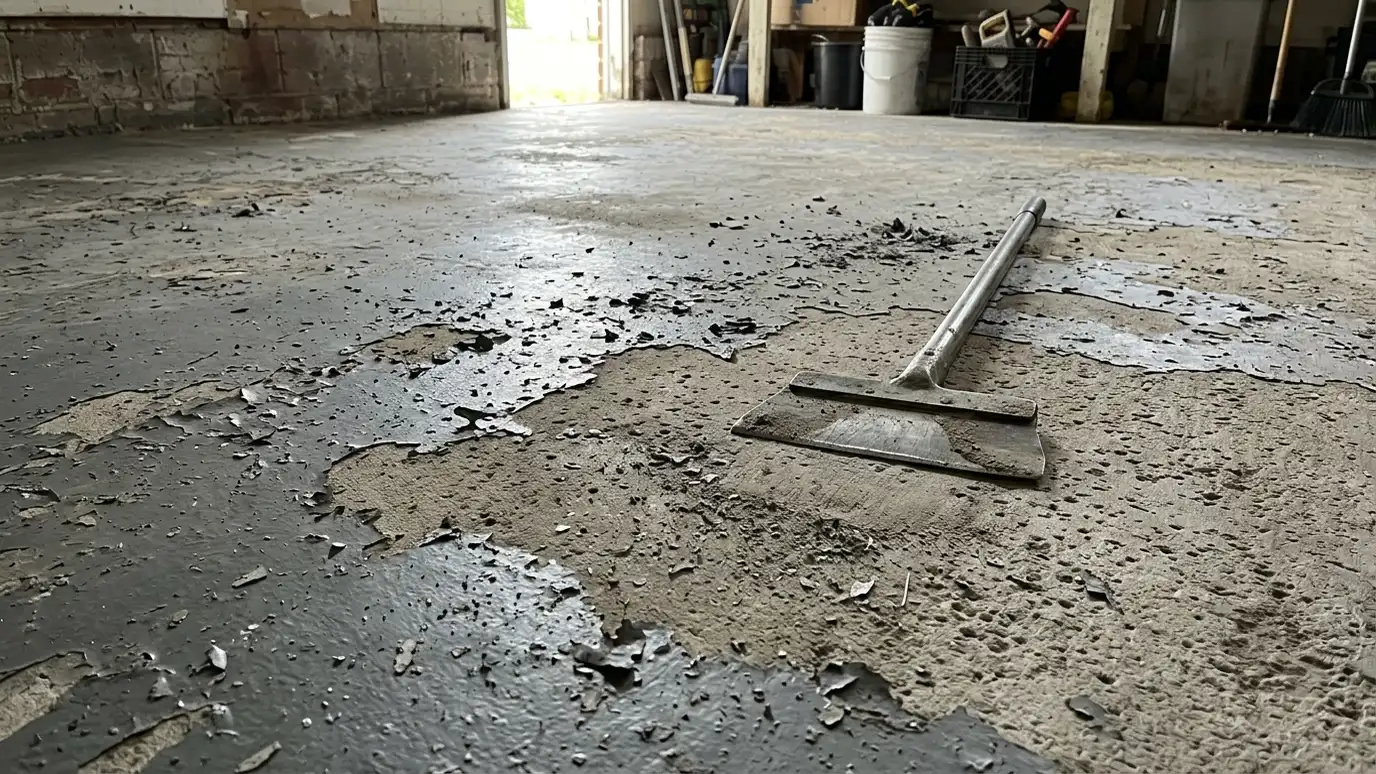 Old Epoxy and Paint RemovalOld epoxy and paint removal that grinds or scrapes away peeling garage floor coatings, sealers and paint so…Explore
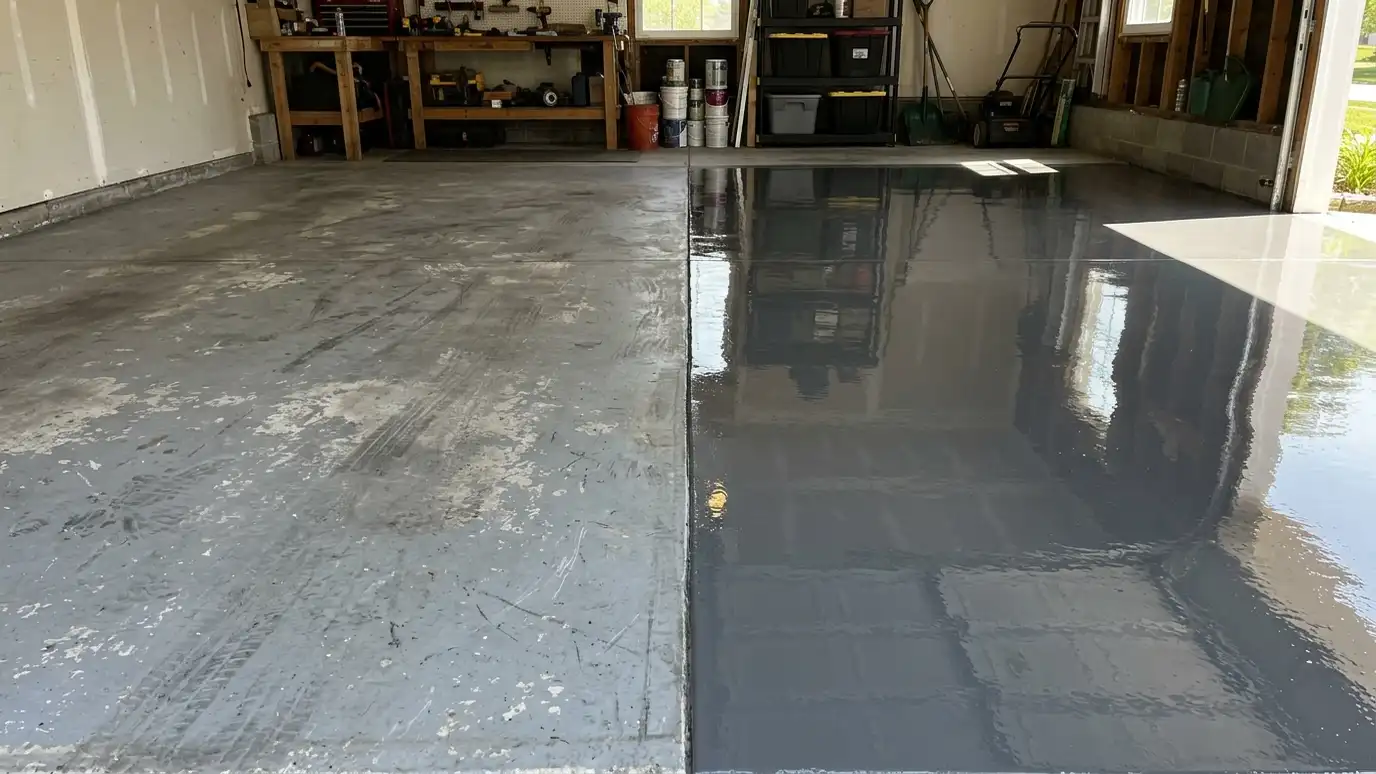 Garage Floor Recoat and RefreshGarage floor recoat and refresh that restores a dull, scuffed or lightly worn coated floor with cleaning, screening…Explore
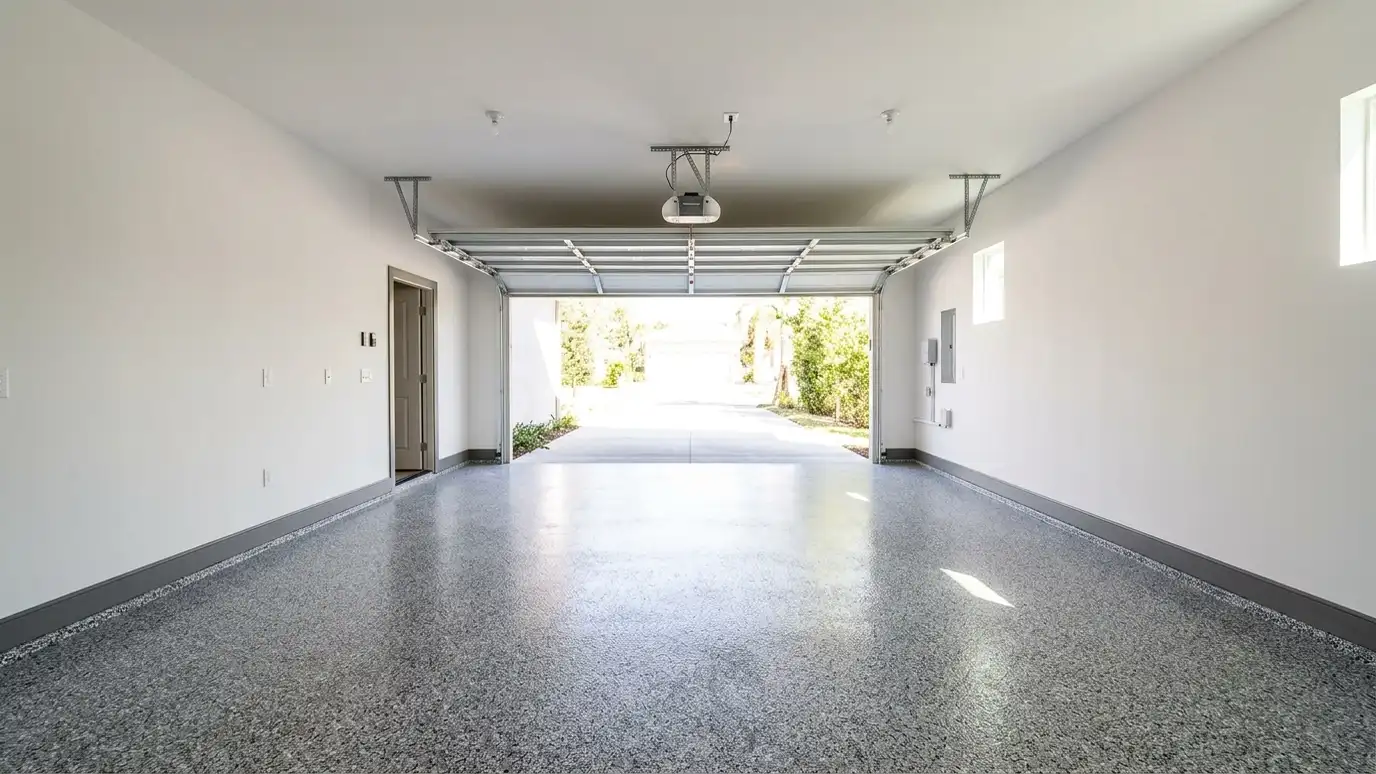 Polyaspartic Garage Floor CoatingPolyaspartic garage floor coating that turns bare, stained concrete into a glossy, seamless, easy-clean floor, prepared by diamond…Explore
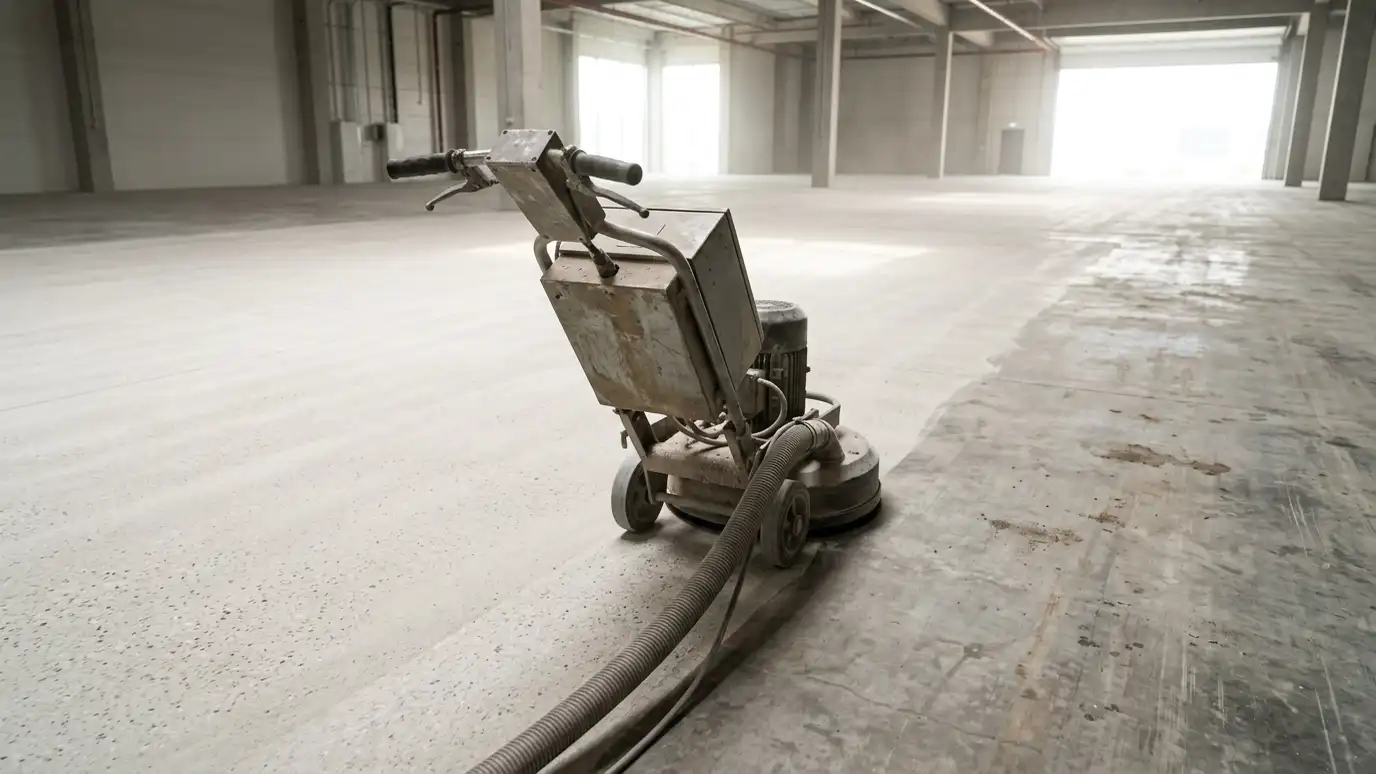 Diamond Grinding and Surface PrepDiamond grinding and surface prep that opens concrete, removes laitance and old coatings and gives a polyaspartic system…Explore
Tell us about your floor and we will call you back to set up a visit.
Or call (615) 357-7797 to talk now.