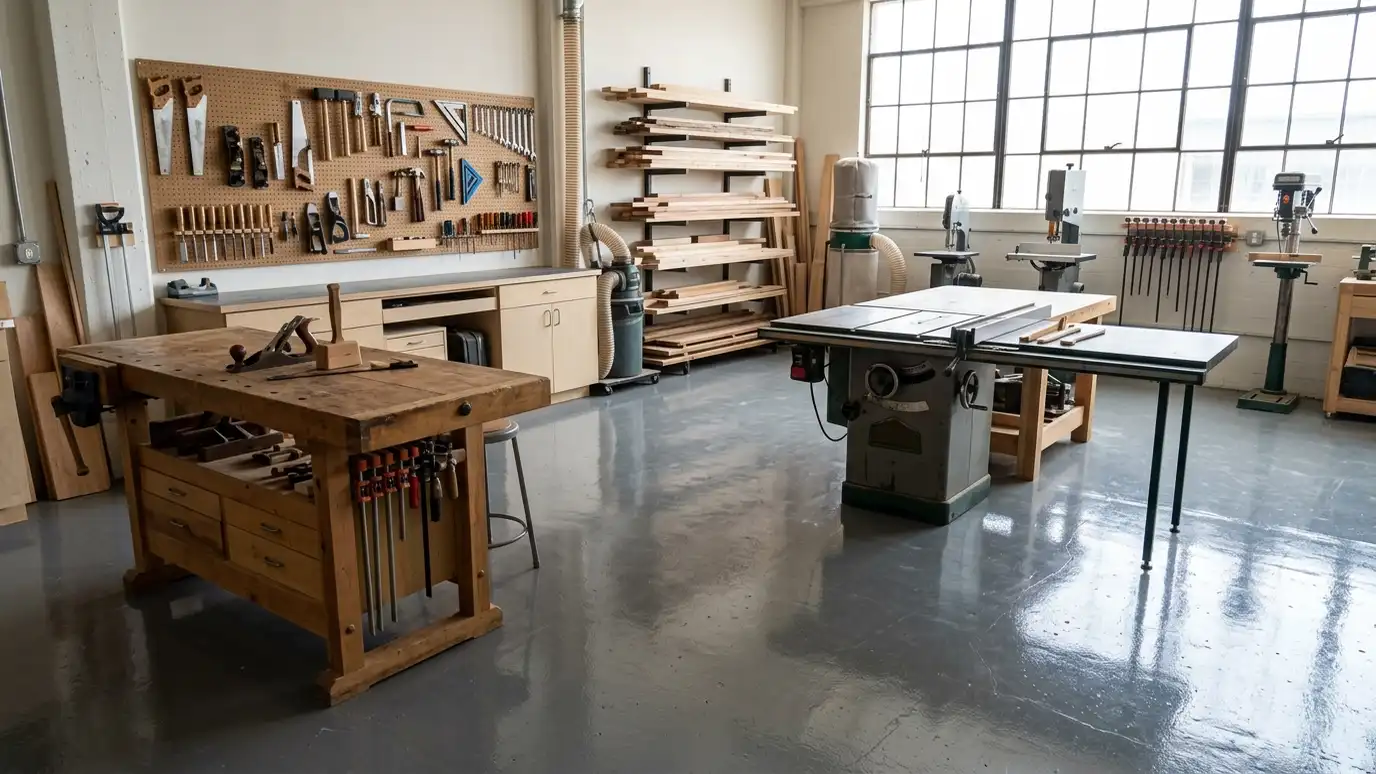
Workshop and hobby room floors coated for tools, sawdust, spills and long hours standing, with light-reflecting color, grip and easy cleanup.
A workshop floor works harder than any other in the house. Tools get dropped, chemicals get spilled, sawdust and filings collect and the floor holds up machinery and projects. A coating makes cleanup faster, brightens the room and protects the concrete from stains. It also makes it easy to see small parts that fall. Nashville has plenty of woodworkers, welders, musicians and tinkerers whose garage is their studio, and the right floor makes long hours more pleasant.
We choose a system for your work: a light color to reflect light and show dropped parts, a satin finish to reduce glare and enough texture to avoid slips. For heavy machinery we think about floor loading and anti-skid pads, and for spills we choose chemical-resistant topcoats. We plan for dust control during installation and offer cove bases for easy sweeping. Because workshops change, we ask what you may add later, such as a lift, a workbench or a press, and plan so the floor can handle it. We also explain how to protect the coating from hot sparks and sharp tools.
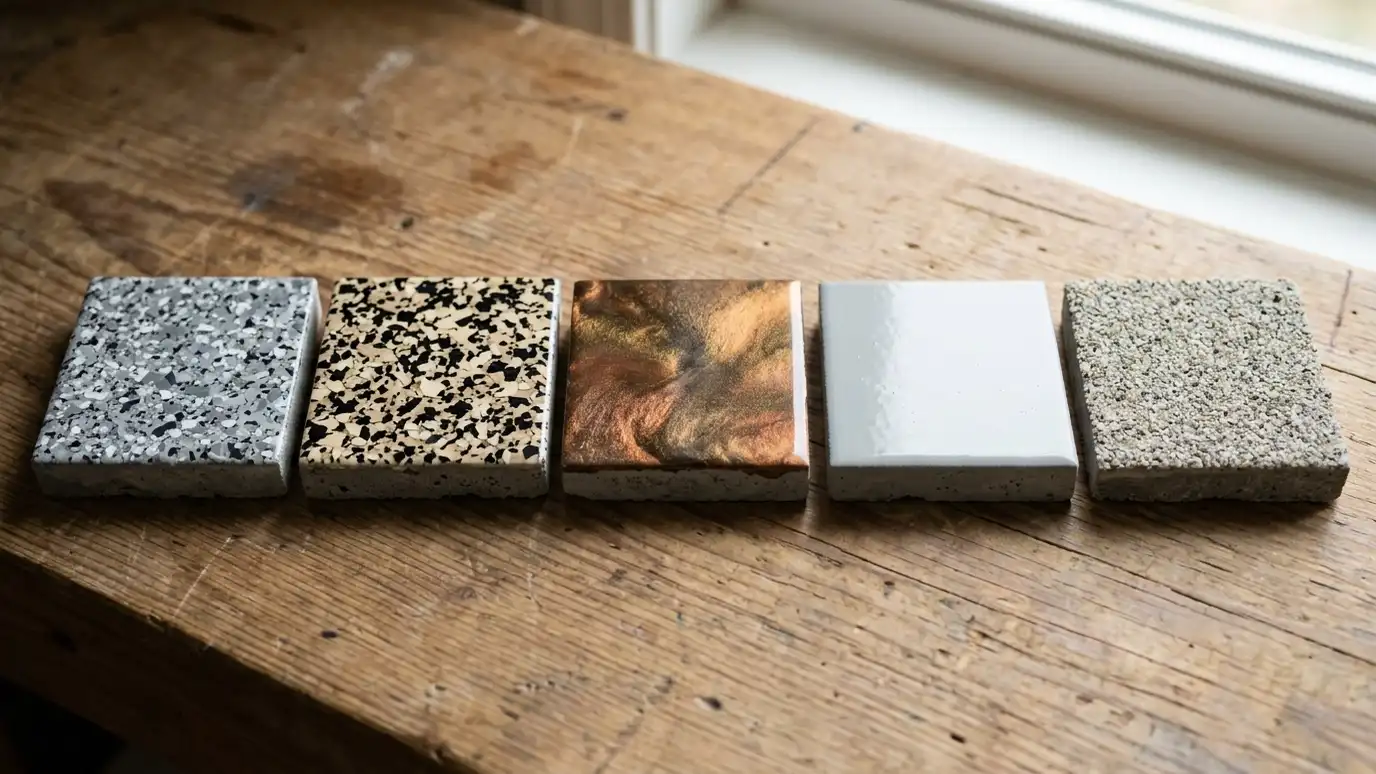
Color, sheen and texture suit your tools.
Light colors show dropped parts.
Common shop spills wipe up.
Smooth surfaces and cove bases speed cleanup.
Color, sheen and texture suit your tools and tasks.
Light colors reflect light and show dropped parts.
Spills of common shop fluids wipe up.
Loads and pads are discussed before coating.
Cove bases and smooth surfaces speed cleanup.
We explain what hot sparks and sharp tools can do.
Every topic has its own page with what to expect and how we approach it.
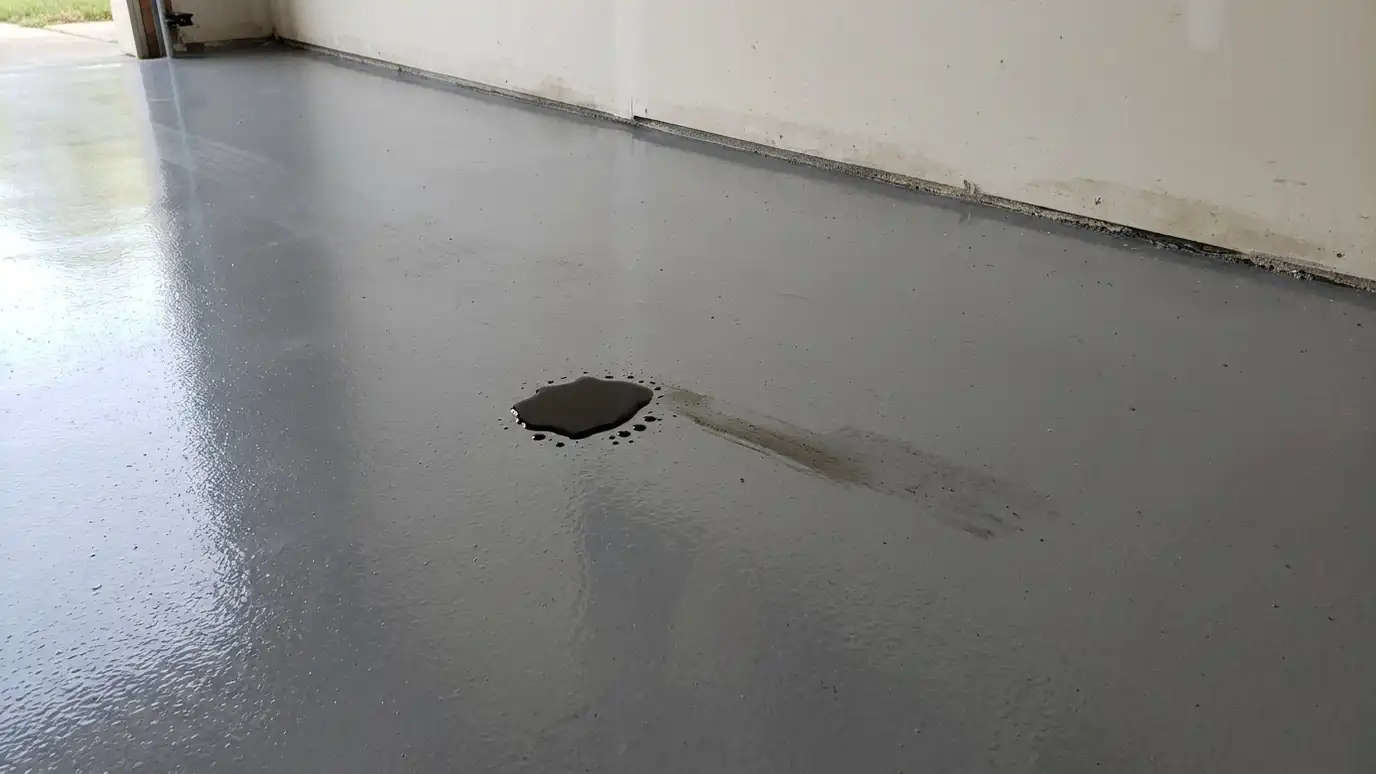 Comparison guideHot Tires and Stain ResistanceHow coatings handle warm tires, oil, brake fluid, salt and cleaners, and what to do after a spill.Learn more
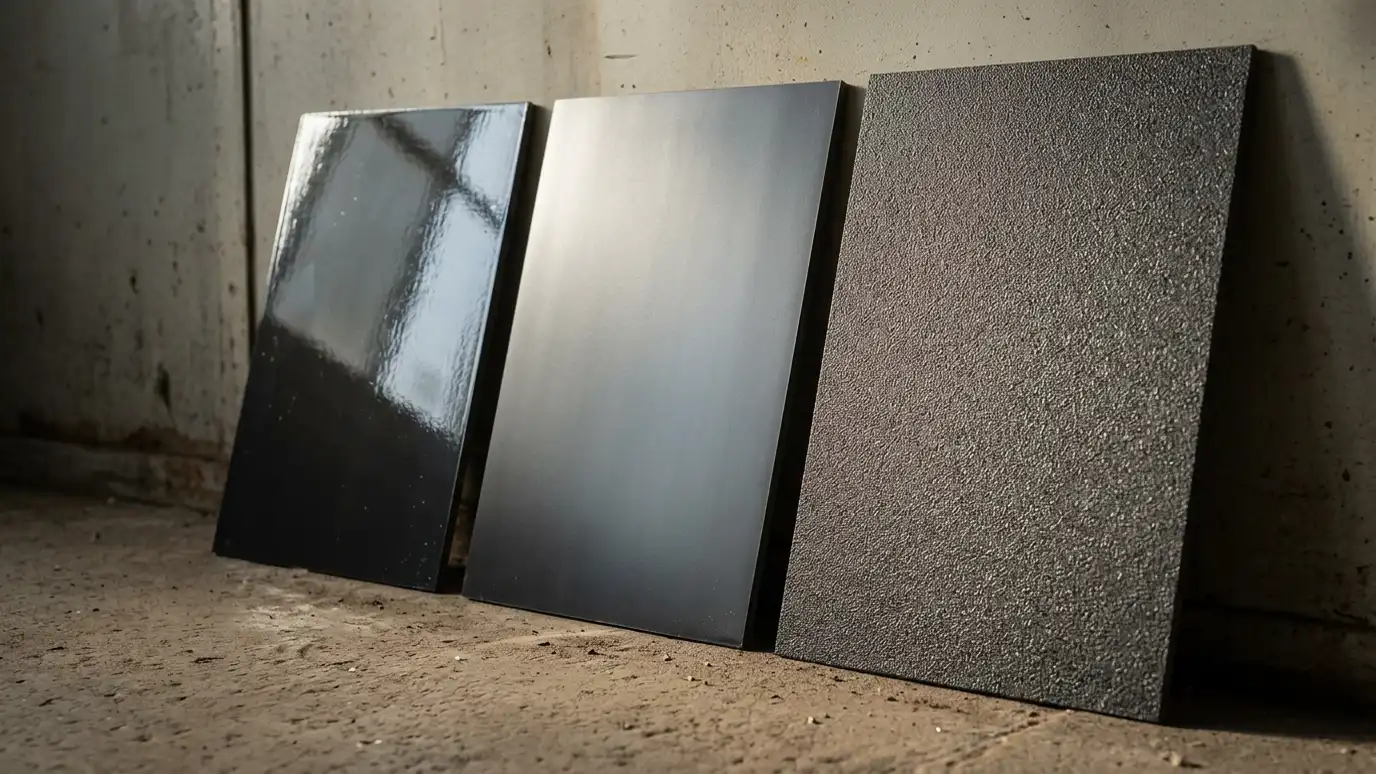 Comparison guideFinish and Slip ResistanceHow gloss, satin, matte and textured finishes differ in traction, cleaning, scuff hiding and look.Learn more
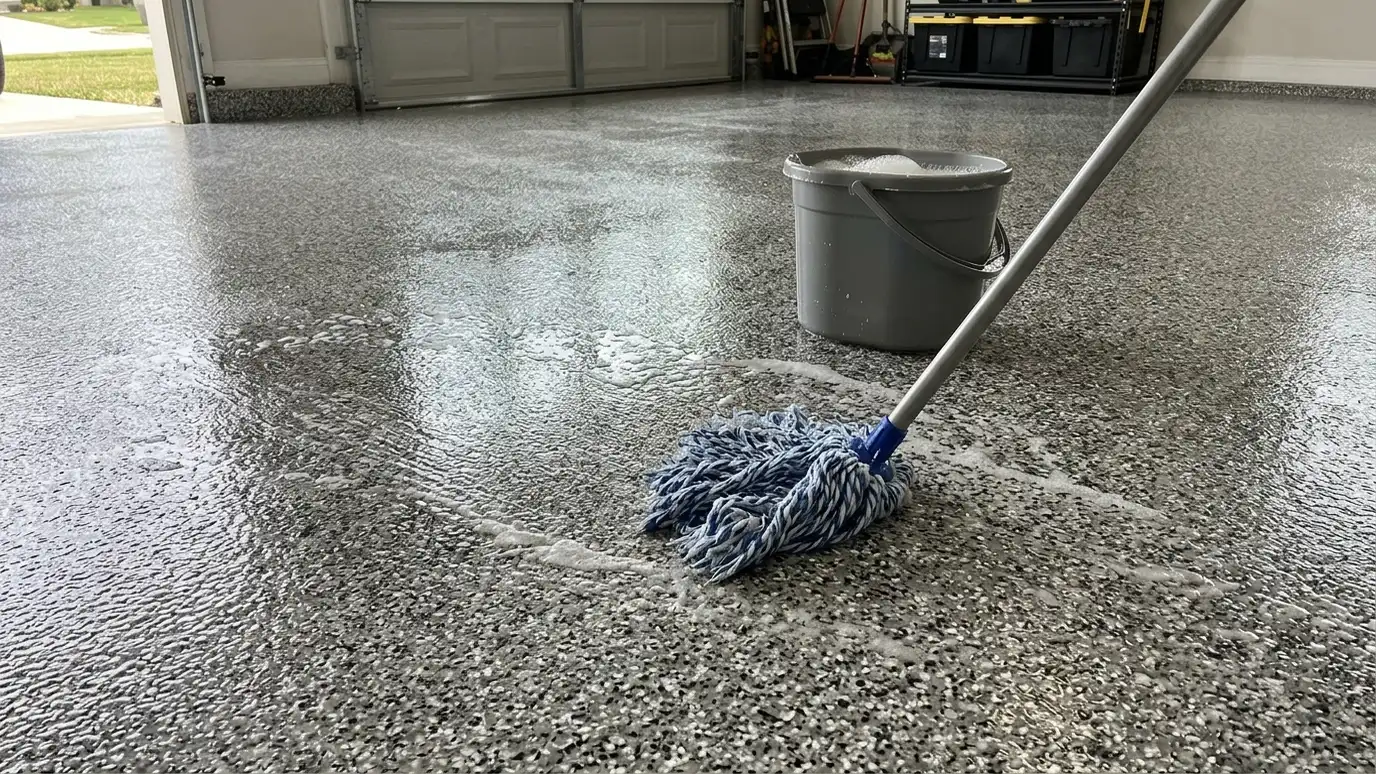 Comparison guideCleaning and CareThe tools, cleaners and routines that keep a coated garage floor bright, including what to avoid.Learn more
Enter the floor size, extras and system to see planning amounts for basecoat, flake and topcoat, plus cove and border lengths.
You tell us what you want to coat, how you use the space and what bothers you about the floor, and we set a visit.
We measure the floor, check cracks, stains and moisture, take photos and talk through colors and finishes.
You review samples, a design preview and a plain written scope with every layer and the schedule before anything is ordered.
We clear and protect the space, diamond grind the slab, repair cracks and joints and clean the surface.
We apply the basecoat, broadcast flakes or color and roll the clear topcoat, then give you a cure schedule.
We walk the finished floor with you, share a care guide and schedule a first checkup.
Yes, within reason. Hard casters can mark soft areas, so we advise on pads and wheels.
Hot sparks can damage any coating. We advise on mats or shields.
Many topcoats resist common shop fluids, and we explain what is safe.
Dust can make any floor slick. A fine texture and regular sweeping help.
Drains need planning. We discuss it before coating.
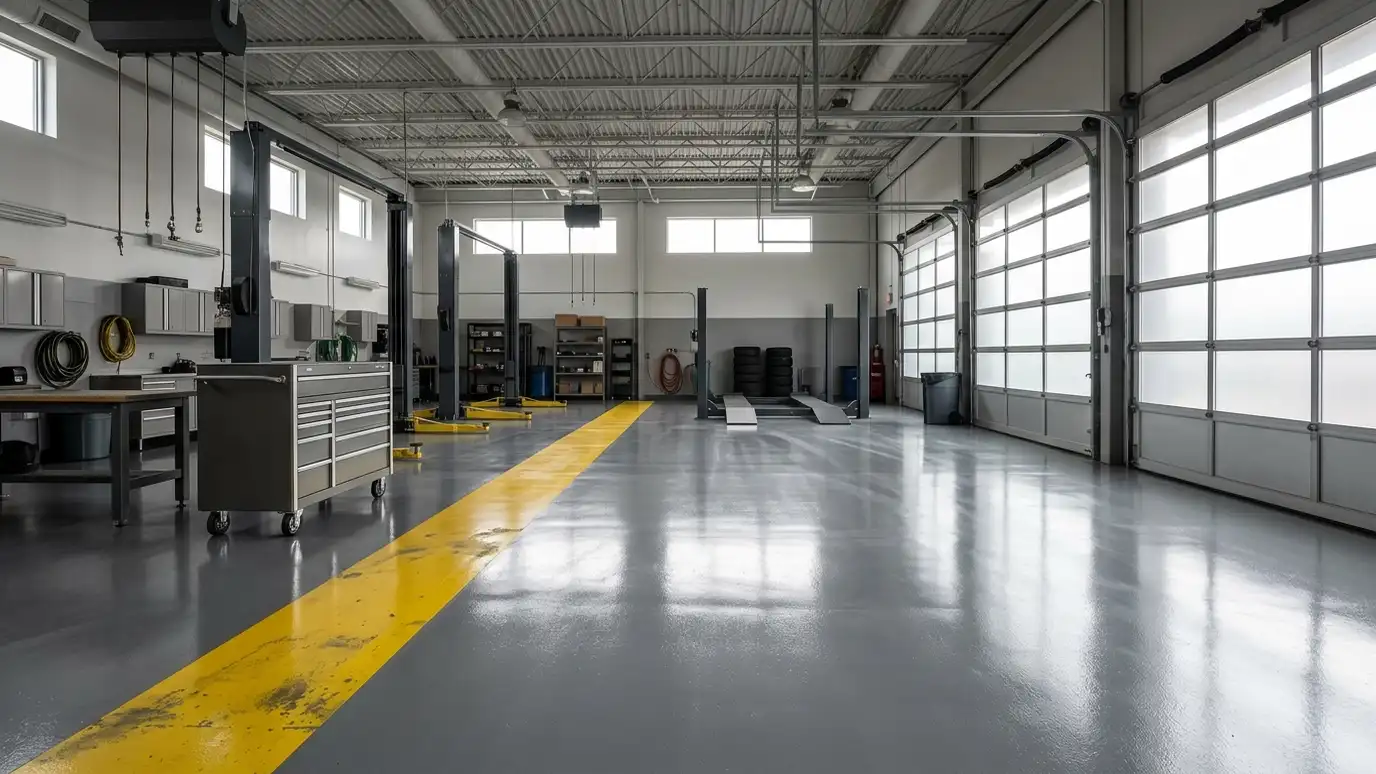 Commercial Garage Floor CoatingCommercial garage floor coating for service bays, fleet garages and business garages, with tough polyaspartic systems planned around…Explore
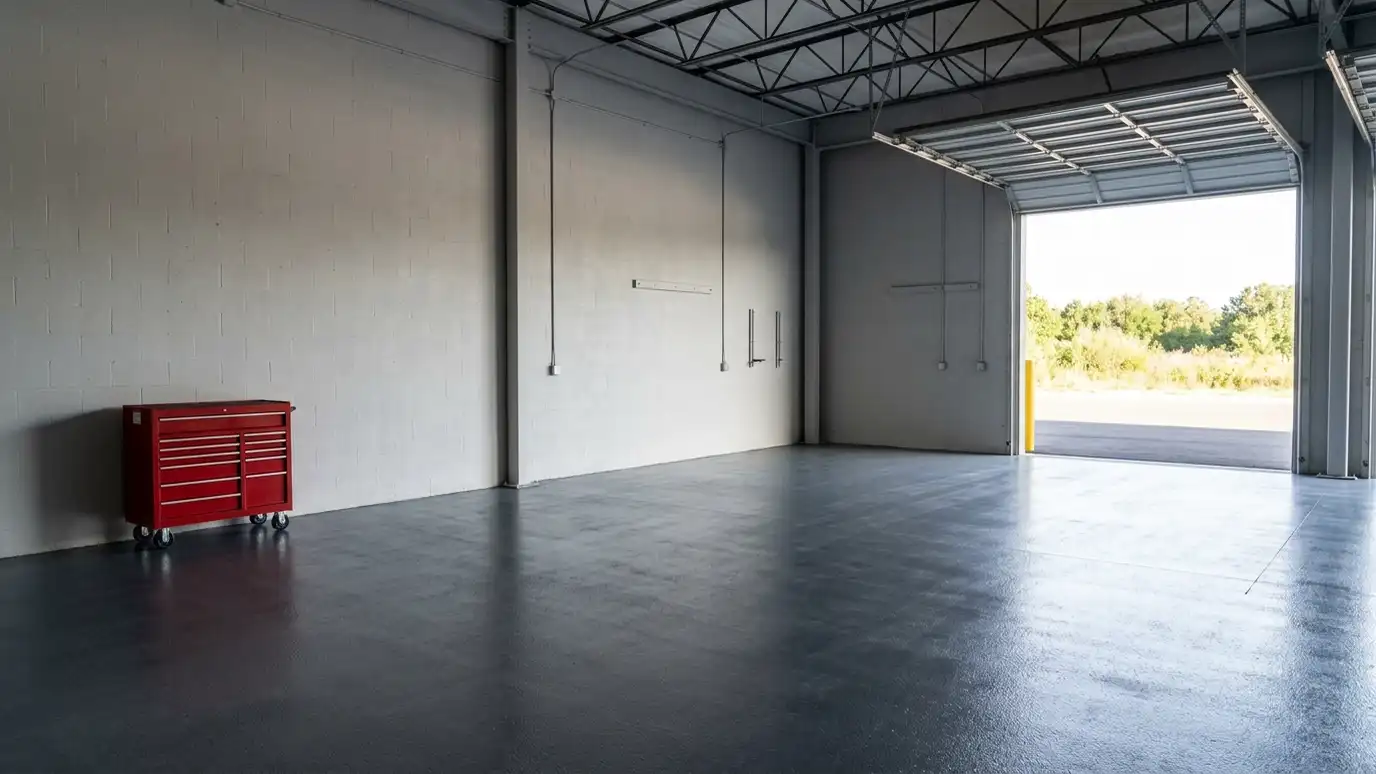 Auto Repair Shop FloorsAuto repair shop floors coated with chemical-resistant polyaspartic and polyurea systems that handle oil, brake fluid, coolant, tires…Explore
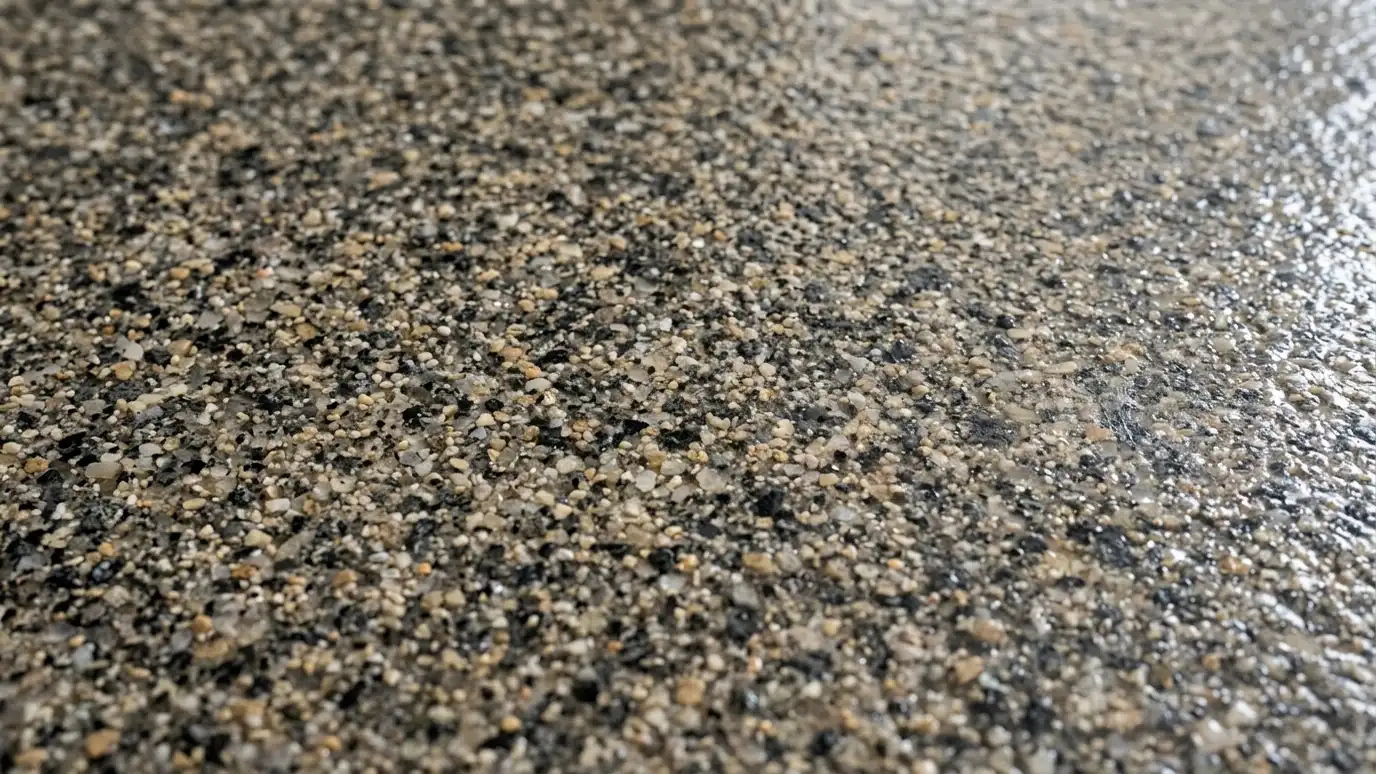 Quartz and Granite Polyaspartic FloorsQuartz and granite polyaspartic floors that broadcast colored sand into the basecoat for a hard, textured, stone-like surface…Explore
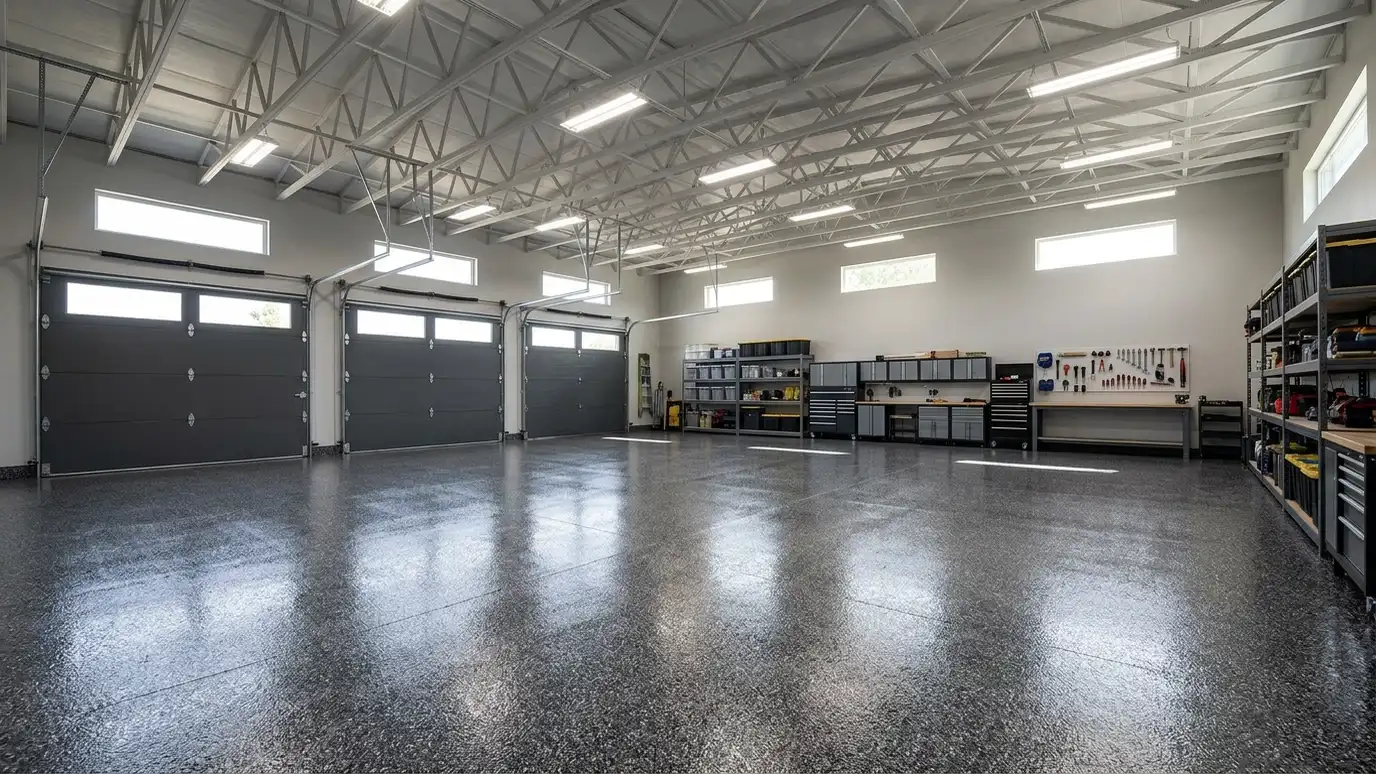 Three-Car and Oversized Garage Floor CoatingThree-car and oversized garage floor coating that handles larger slabs, multiple joints and long schedules with careful planning…Explore
Tell us about your floor and we will call you back to set up a visit.
Or call (615) 357-7797 to talk now.