Where moisture comes from
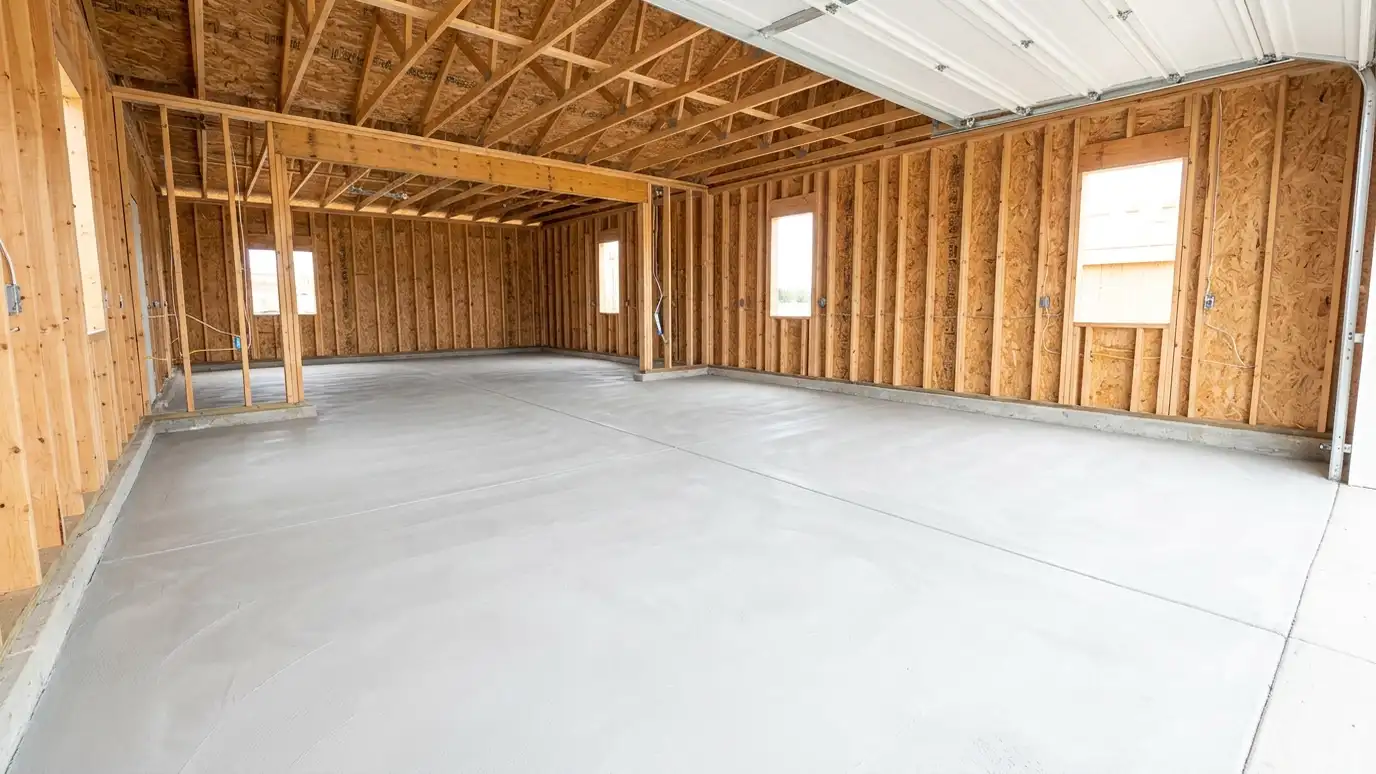
Slabs sit on the ground and can pull moisture upward. Rain pooling against the garage, high water tables and humid air meeting a cool slab all add moisture.
Clay soils hold water longer.
Nashville springs are wet, so slabs can be damper than they look.
What it does to coatings
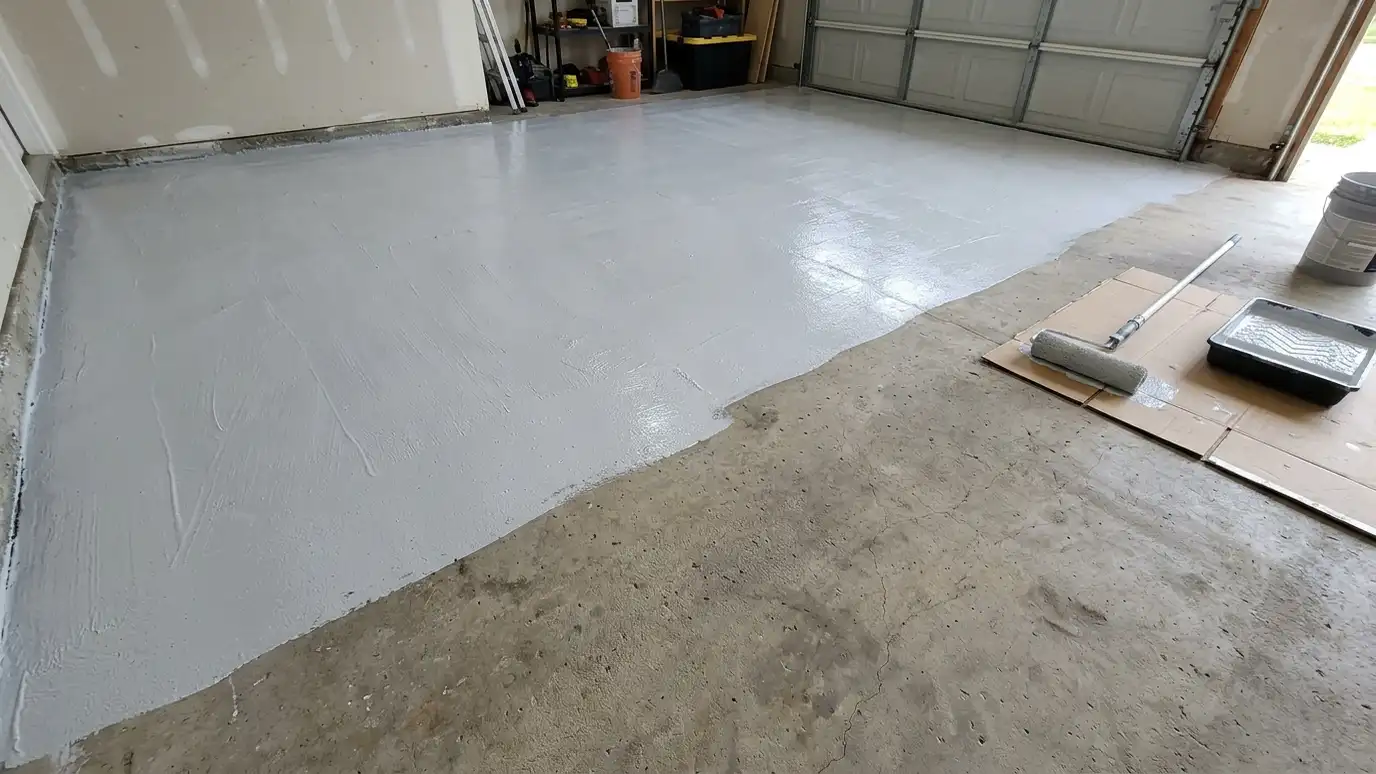
Moisture vapor pushes up against a sealed coating and can cause bubbles, blisters and peeling. It may also make the coating look cloudy.
The damage often shows within months.
Testing before you coat is the best protection.
How we test
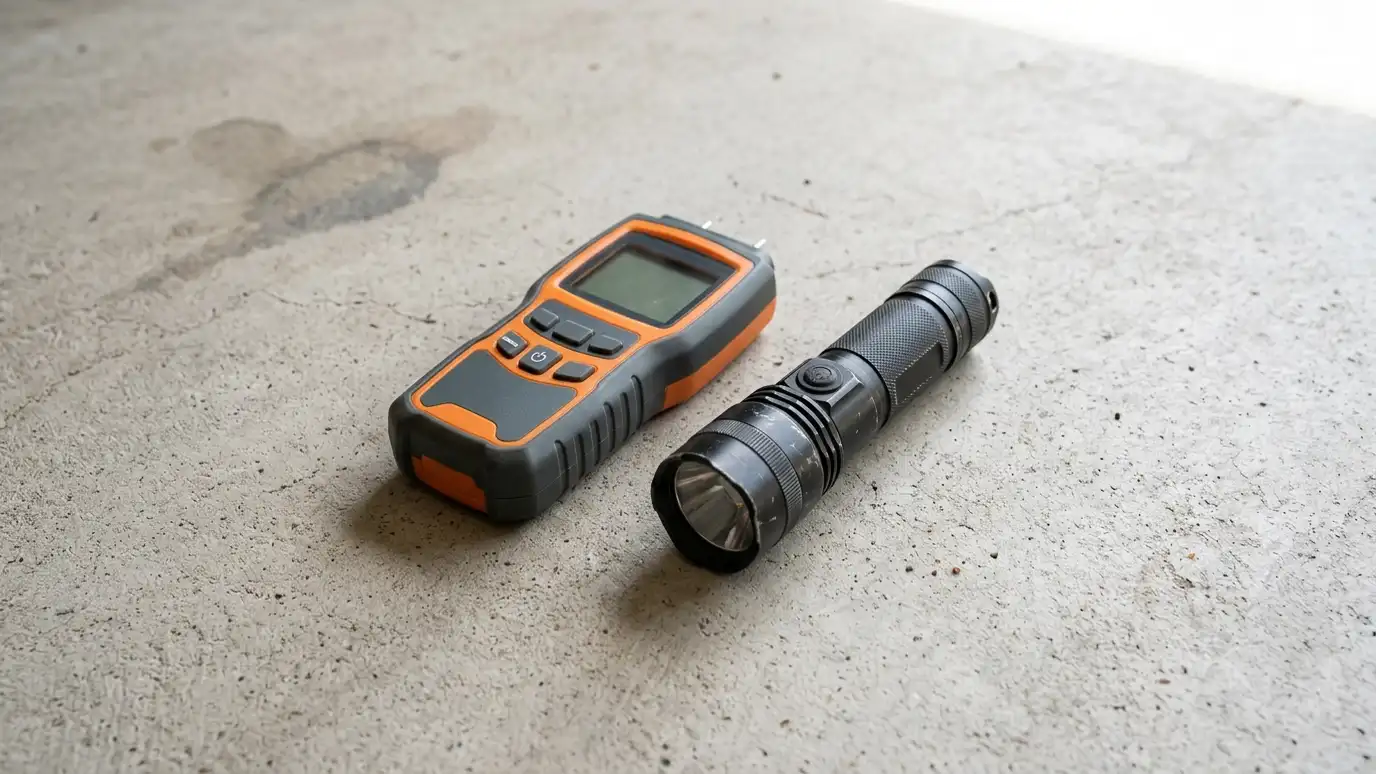
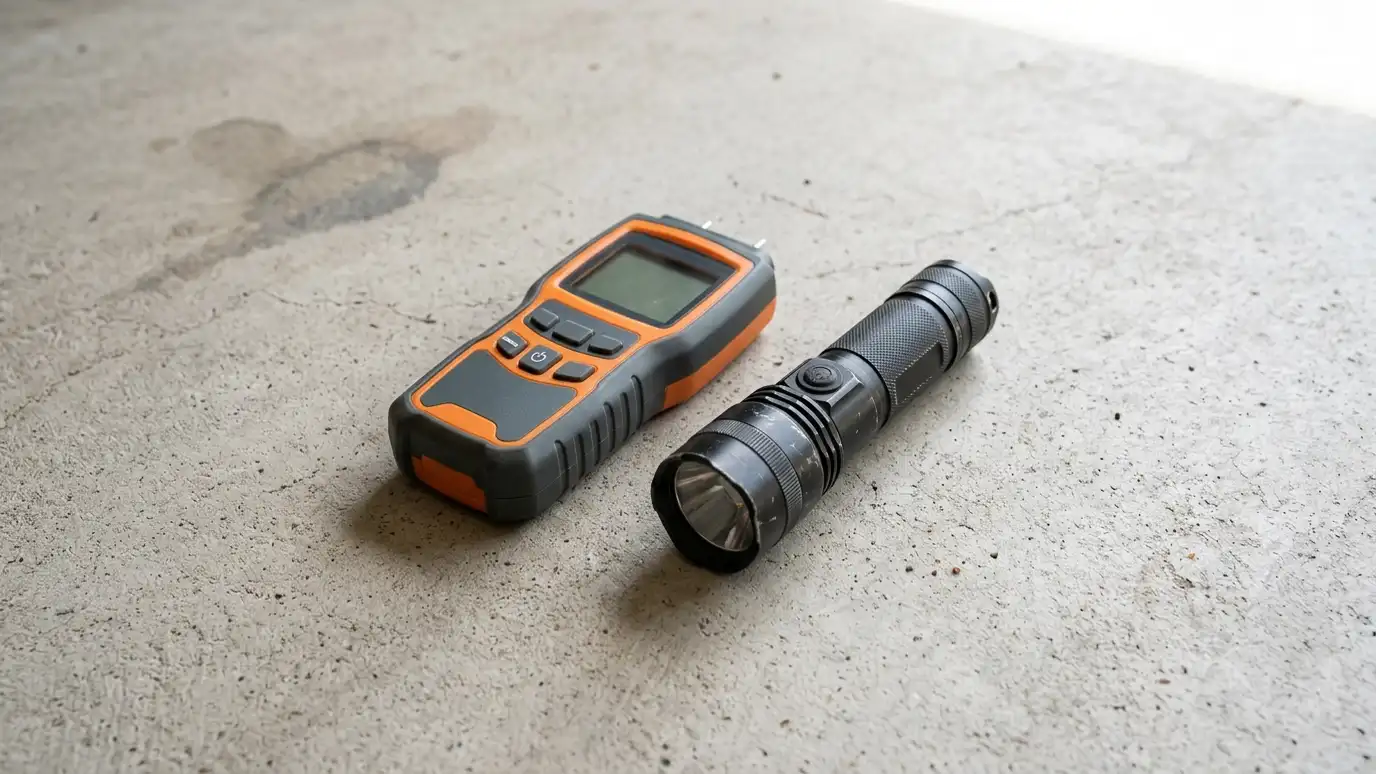
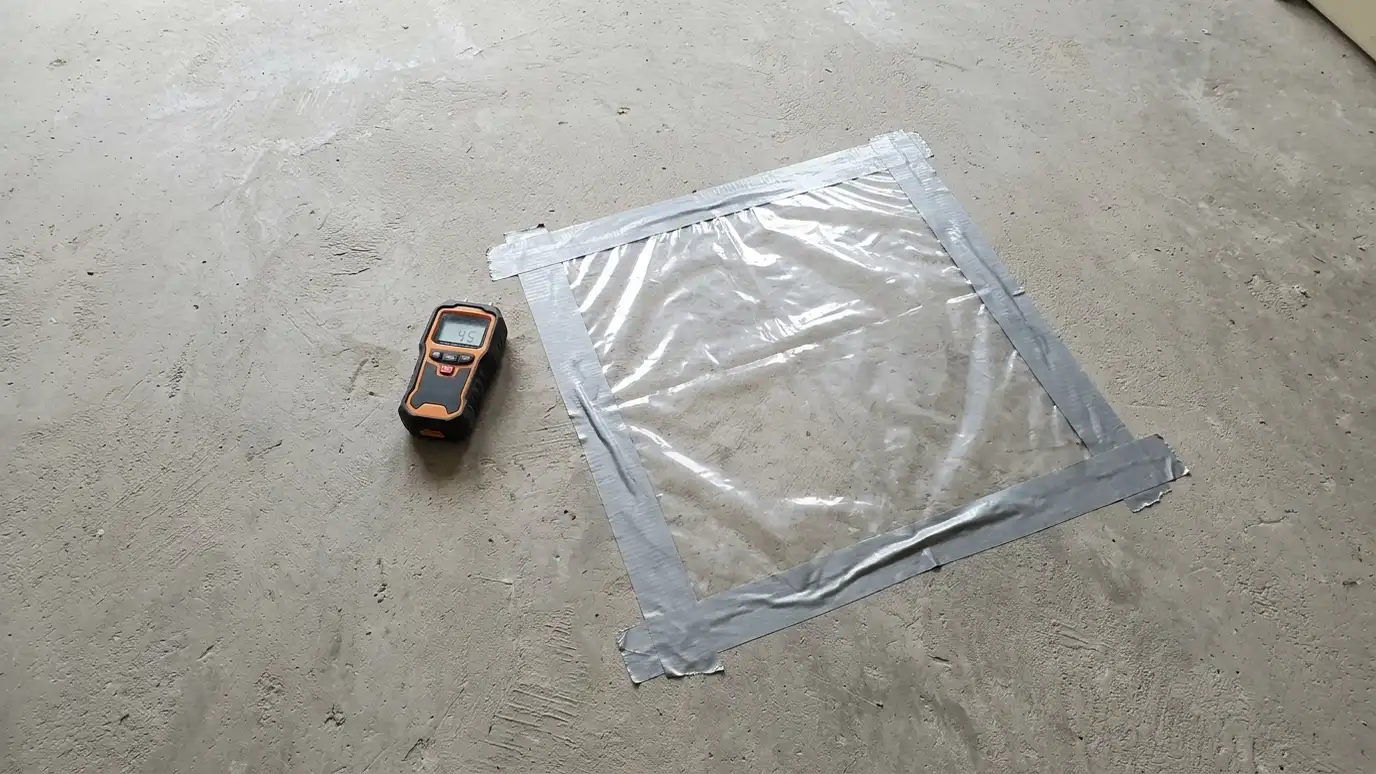
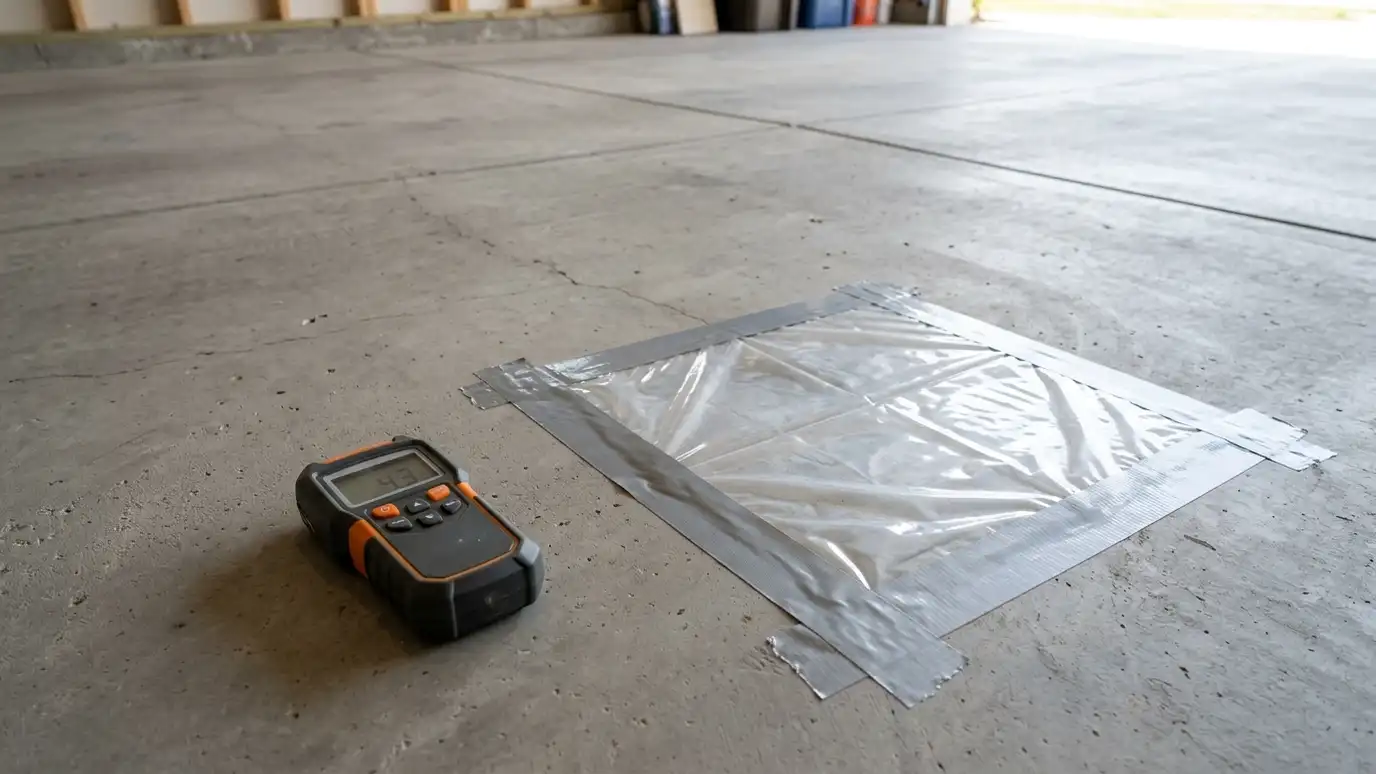
A taped plastic square, calcium chloride kits and in-slab probes each tell part of the story. We choose methods that fit your slab and your schedule.
We record the readings and explain them.
High readings change the plan. We test in more than one spot, because a Nashville slab can be dry near the door and damp near the back wall.
What to do when readings are high
A moisture-mitigating primer can slow vapor so coatings can bond. Sometimes waiting and fixing drainage is wiser.
We tell you honestly which path suits your slab.
A coating cannot fix a leak.
Drainage and grading
Gutters, downspouts and the slope of the yard affect how much water reaches your slab. Fixing them helps every floor.
Look outside during a rain to see where water goes.
A landscaper or waterproofing specialist can help if water is entering. In Nashville, long rains can send water toward a garage slab, so downspout extensions are often the lowest-cost first fix.
Basements and below grade
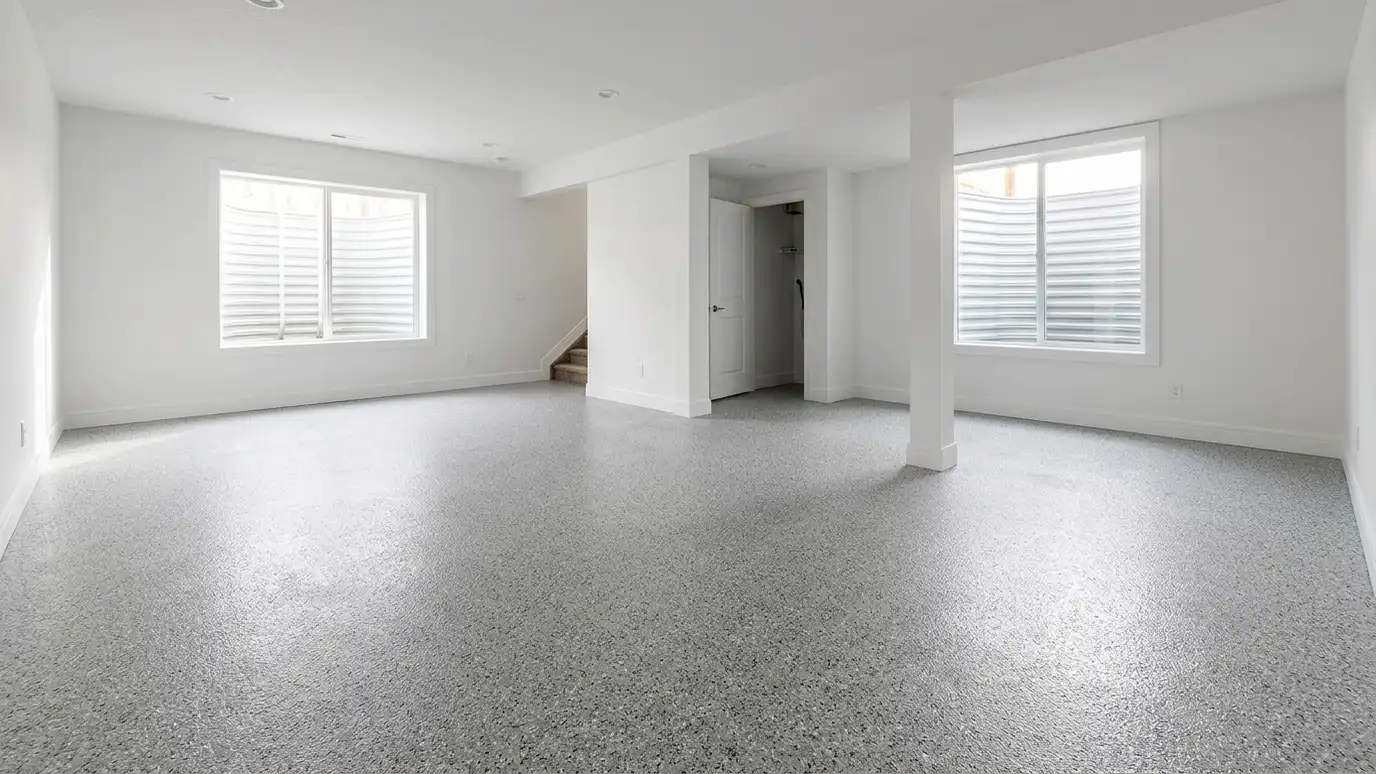
Floors below grade face the most moisture and are the most likely to need primers. Floor drains and sumps add details.
A coating can still work well with the right plan.
We explain what to expect.
Test before you coat, and fix the water source before you seal the surface.