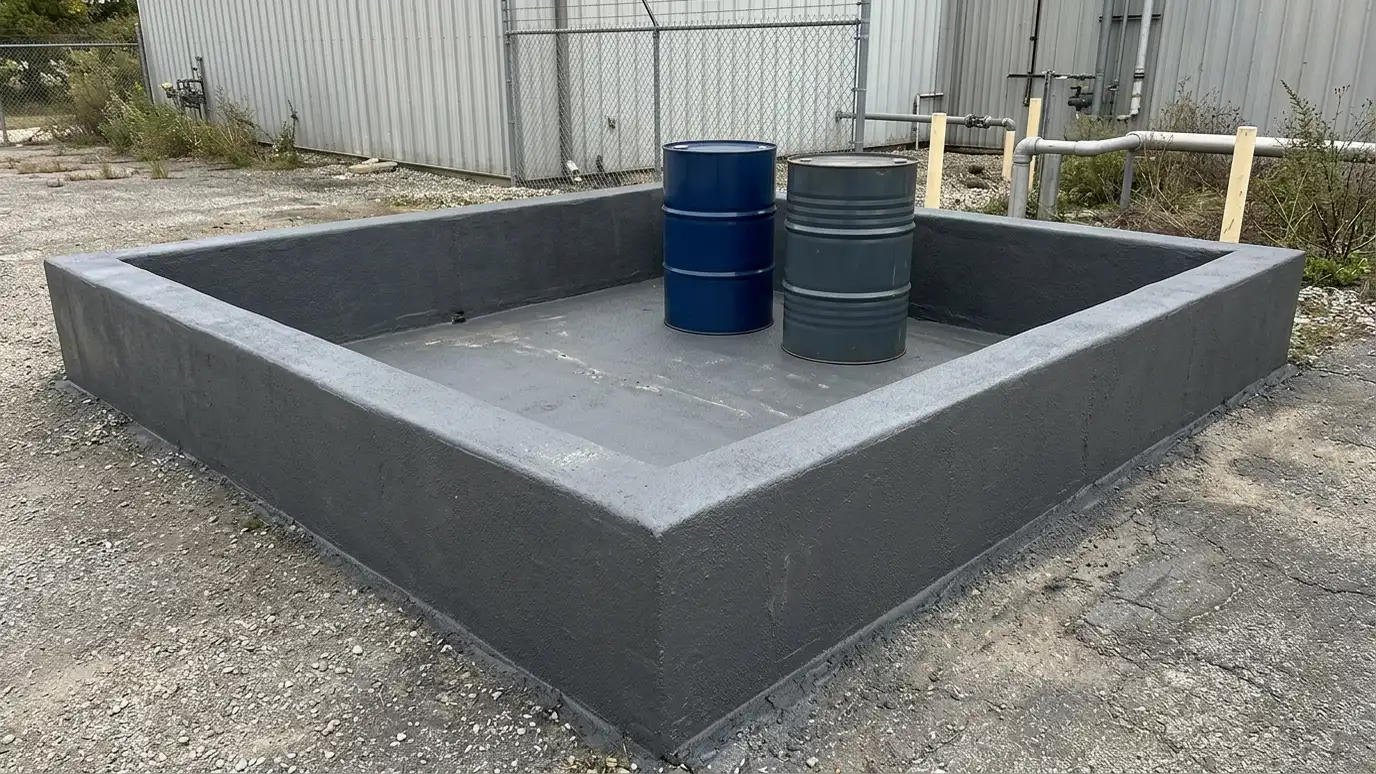
Polyurea secondary containment linings that coat curbs, basins and floors around tanks and drums with a seamless, chemical-resistant barrier.
Where tanks, drums or process equipment sit, a spill has to stay put. Secondary containment is the curbed area or basin designed to hold leaks, and its surface has to resist whatever it holds. Concrete alone is porous and can crack. A seamless polyurea lining adds a flexible, chemical-resistant barrier that bonds to the slab and curbs and fills small cracks. Businesses across Nashville that store fuels, cleaning products or process chemicals use linings like this to protect floors and soil.
Every containment project starts with the chemicals involved, since resistance depends on the product. We review safety data sheets, check the slab and curbs and repair cracks and joints. After profiling the concrete, we apply the lining in even coats, carrying it up the curb and around penetrations and drains. A topcoat with texture may be added for foot traffic. We are clear that we are not environmental regulators: the rules for containment design and volume are set by your authorities and engineers, and we coordinate with them while providing a quality lining.
We look at what the lining must hold.
A flexible barrier covers floors and curbs.
Edges and pipes are sealed carefully.
Design and volume rules come from your authorities.
We look at what the lining must hold.
A flexible barrier covers floors and curbs.
Substrate is repaired before lining.
Edges and pipes are sealed carefully.
Texture can be added for walking surfaces.
Design and volume rules come from your authorities.
Every topic has its own page with what to expect and how we approach it.
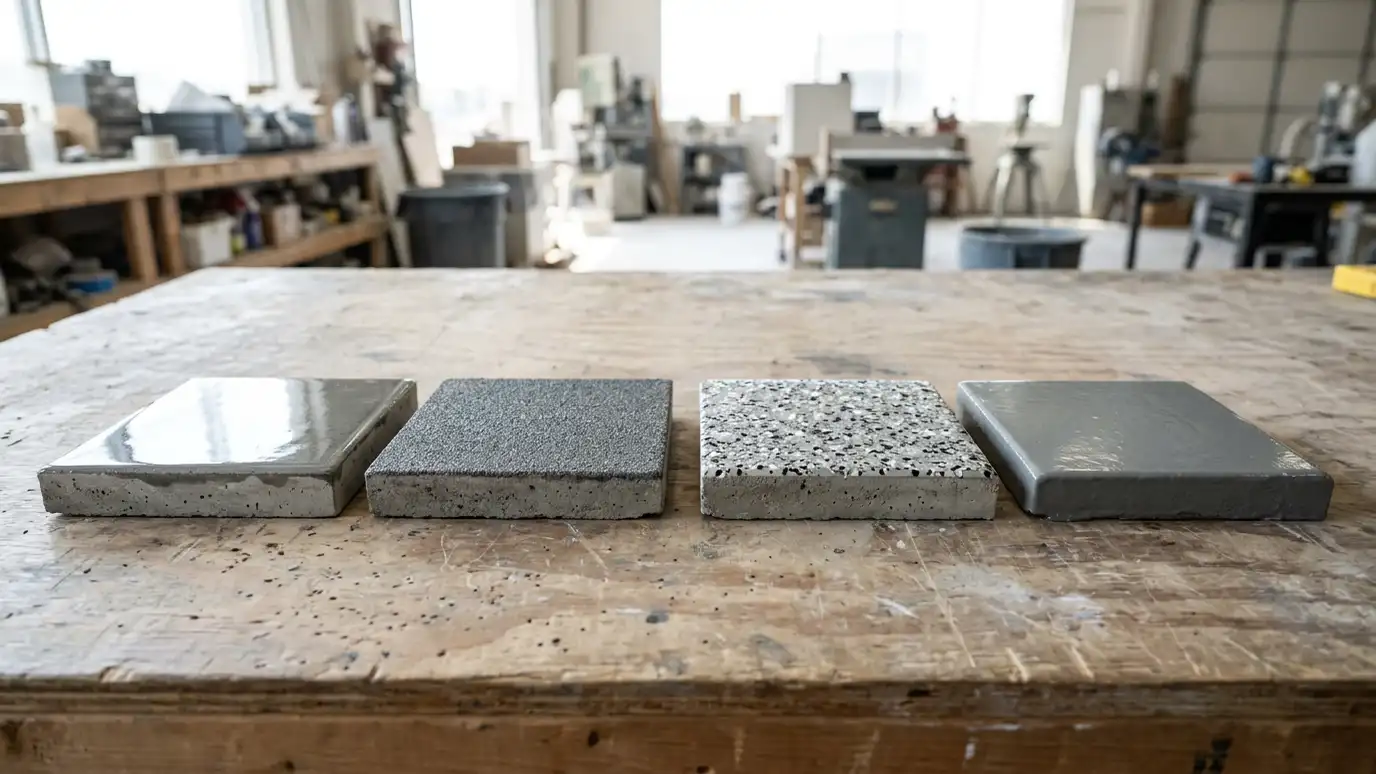 Comparison guideCommercial Systems ComparedHow thin-film, flake, broadcast aggregate and high-build systems differ for shops, kitchens, plants and showrooms.Learn more
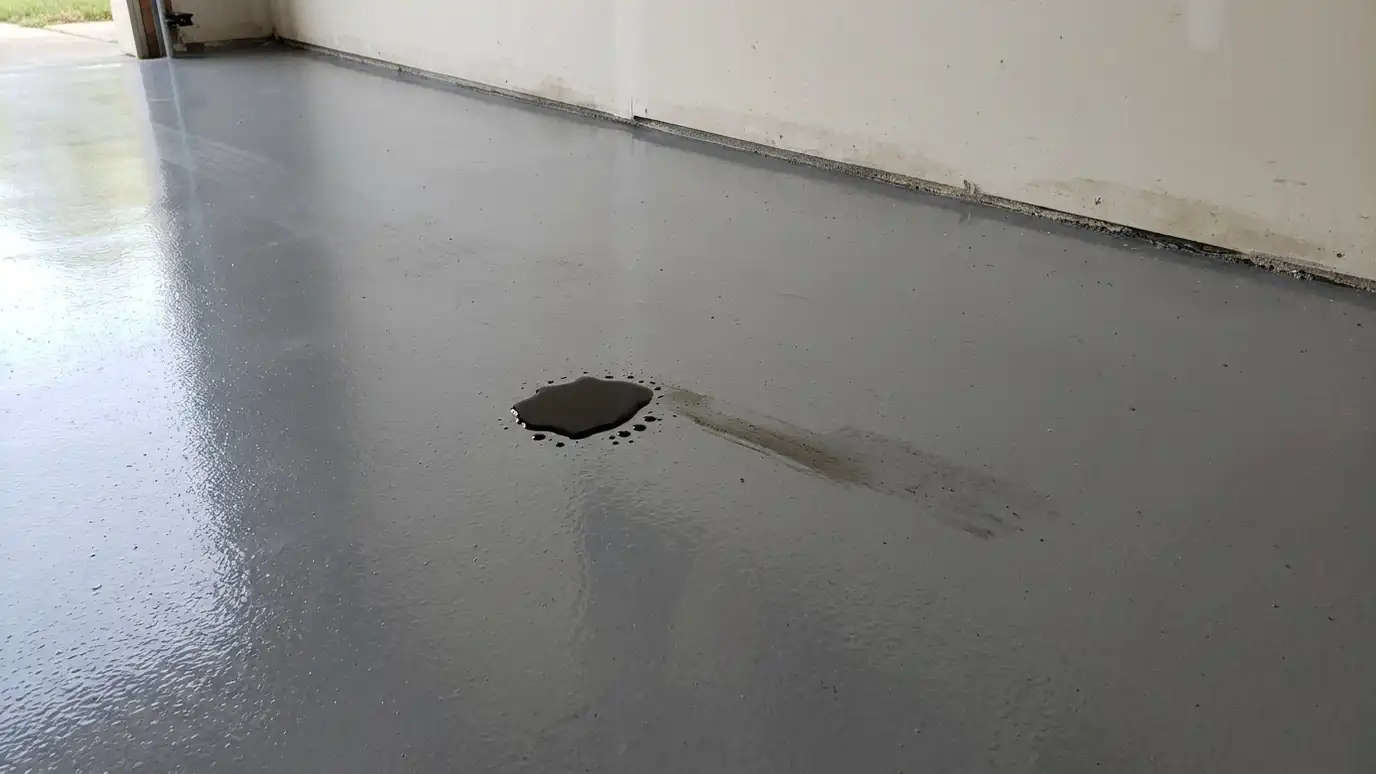 Comparison guideHot Tires and Stain ResistanceHow coatings handle warm tires, oil, brake fluid, salt and cleaners, and what to do after a spill.Learn more
 ResourceEPA Indoor AirPublic guidance from the U.S. EPA on volatile organic compounds and how they relate to indoor air quality.Learn more
Answer five questions about your floor, goals and timing to see which services to start with.
You tell us what you want to coat, how you use the space and what bothers you about the floor, and we set a visit.
We measure the floor, check cracks, stains and moisture, take photos and talk through colors and finishes.
You review samples, a design preview and a plain written scope with every layer and the schedule before anything is ordered.
We clear and protect the space, diamond grind the slab, repair cracks and joints and clean the surface.
We apply the basecoat, broadcast flakes or color and roll the clear topcoat, then give you a cure schedule.
We walk the finished floor with you, share a care guide and schedule a first checkup.
Resistance depends on the chemical, so we review data sheets before recommending a system.
Rules are set by regulators and engineers. A lining is one part of a compliant design.
Yes. The lining is carried up the curbs and around penetrations.
We give a cure schedule based on the product.
After repair, yes.
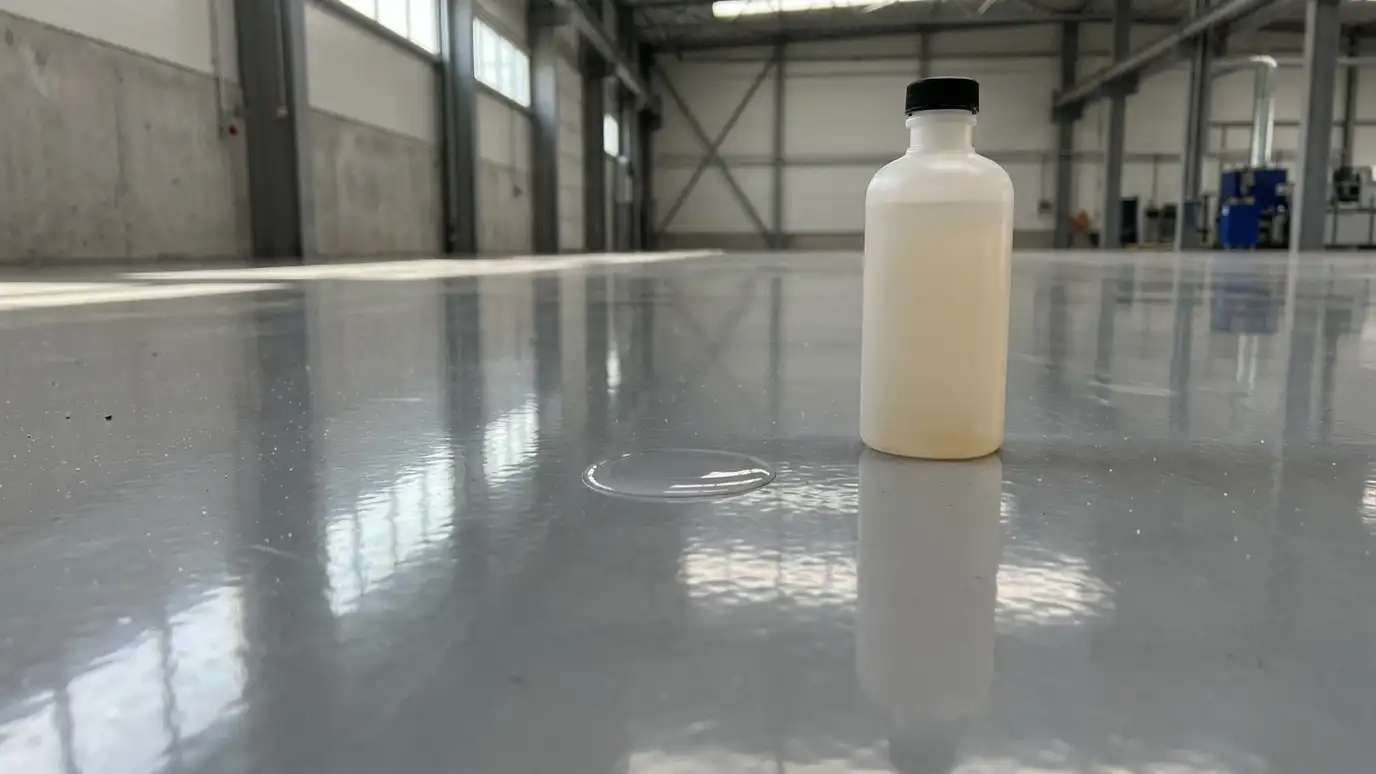 Chemical-Resistant Floor CoatingsChemical-resistant floor coatings that protect concrete in shops, labs, plants and garages from acids, bases, fuels and cleaners…Explore
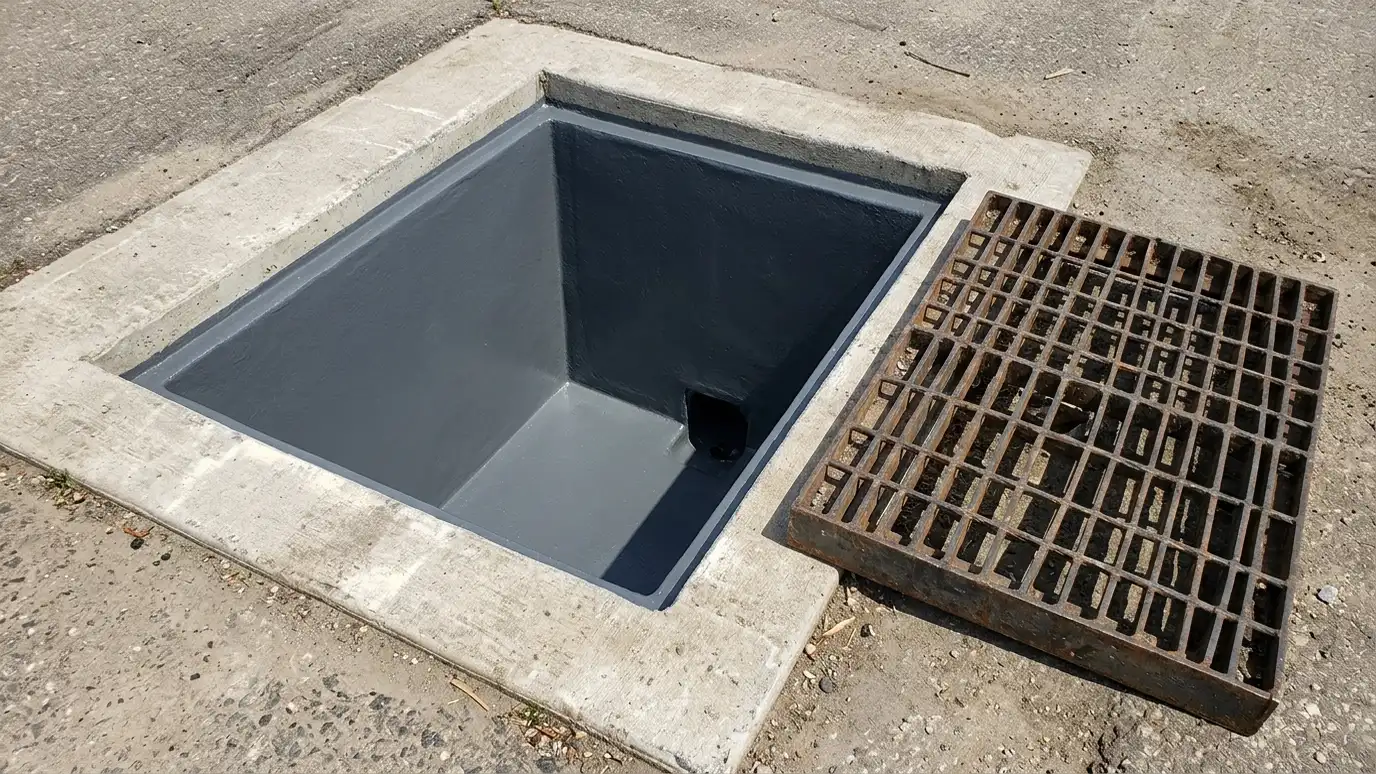 Polyurea Concrete and Pit ProtectionPolyurea concrete and pit protection that lines utility pits, sumps, trenches and wet areas with a seamless, abrasion-resistant…Explore
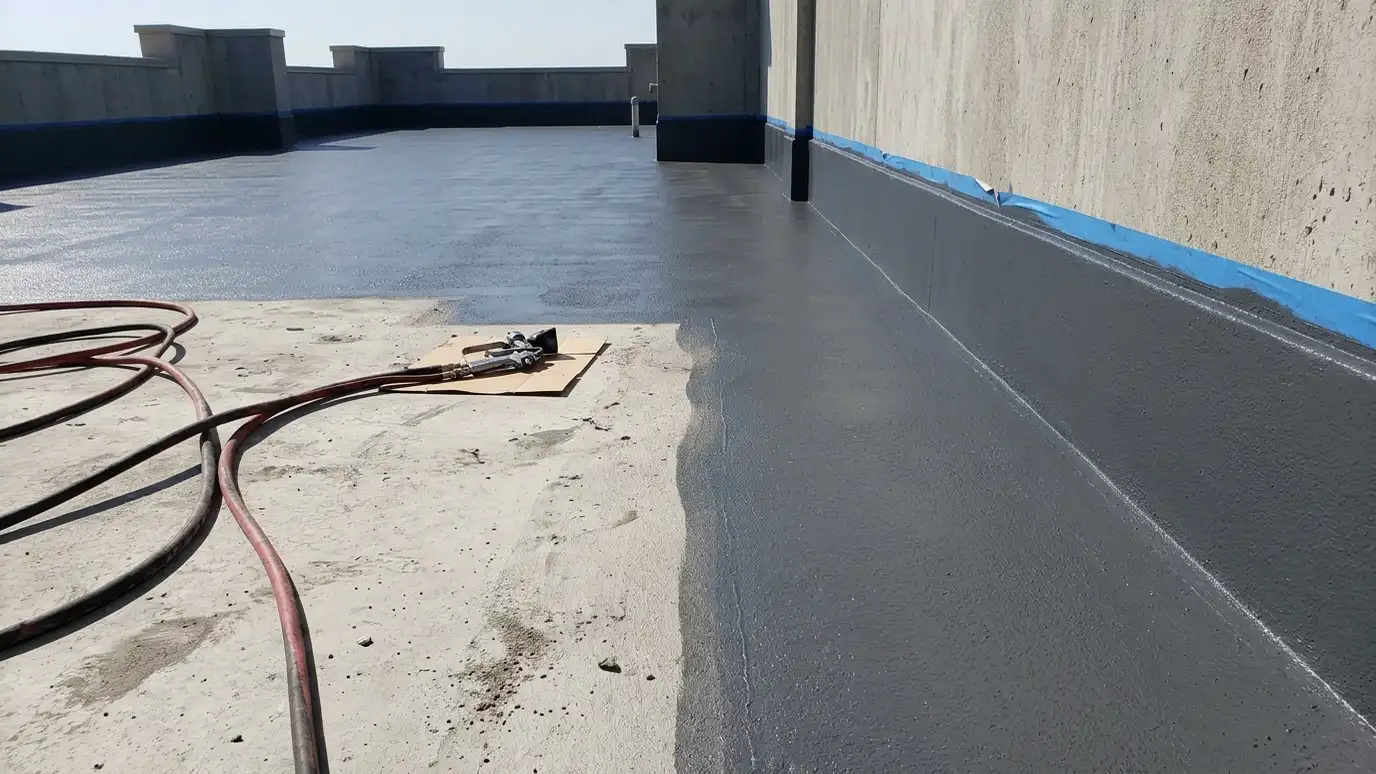 Polyurea Waterproofing MembranesPolyurea waterproofing membranes that seal concrete decks, planters, pits and walls with a seamless, flexible, fast-curing spray or…Explore
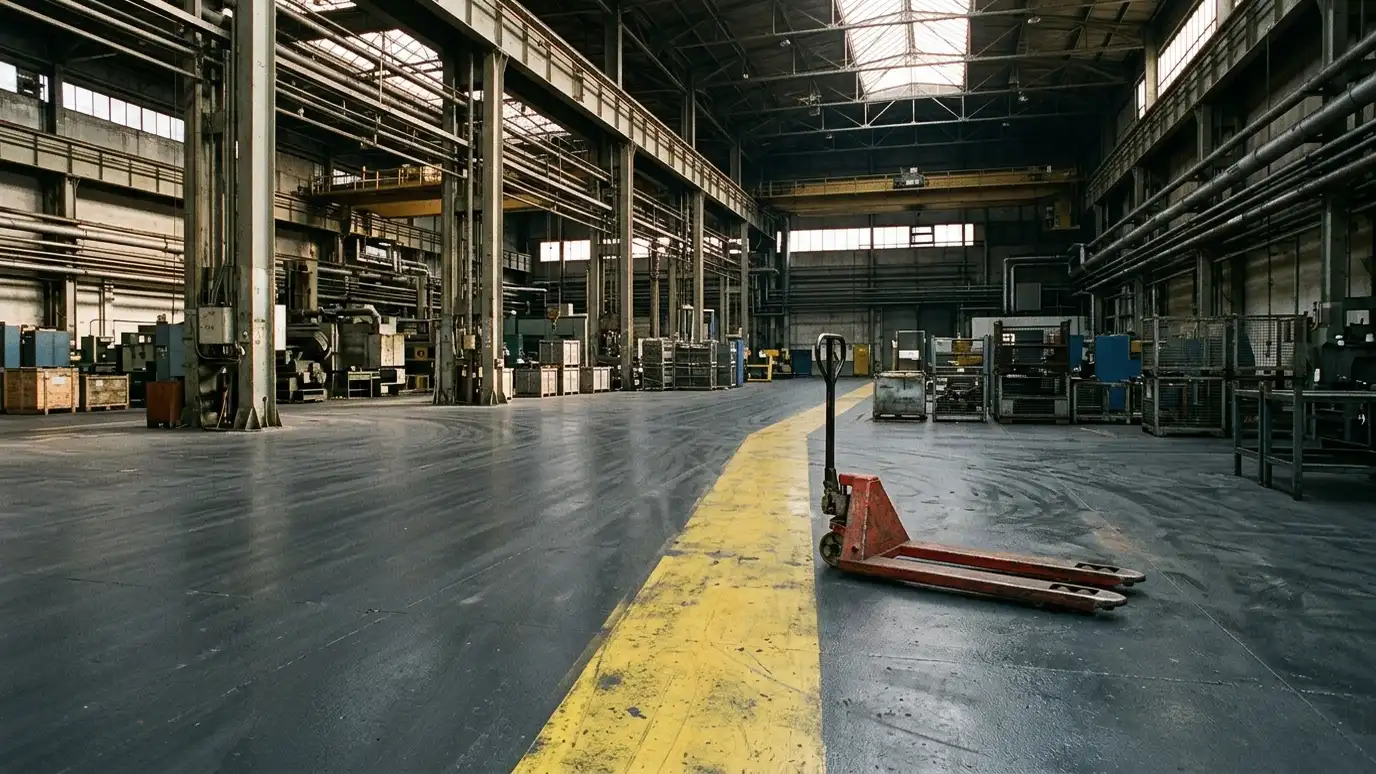 Heavy-Duty Industrial Polyurea FloorsHeavy-duty industrial polyurea floors with thick-build, impact-resistant systems for plants, shops and yards where forklifts, pallets and equipment…Explore
Tell us about your floor and we will call you back to set up a visit.
Or call (615) 357-7797 to talk now.