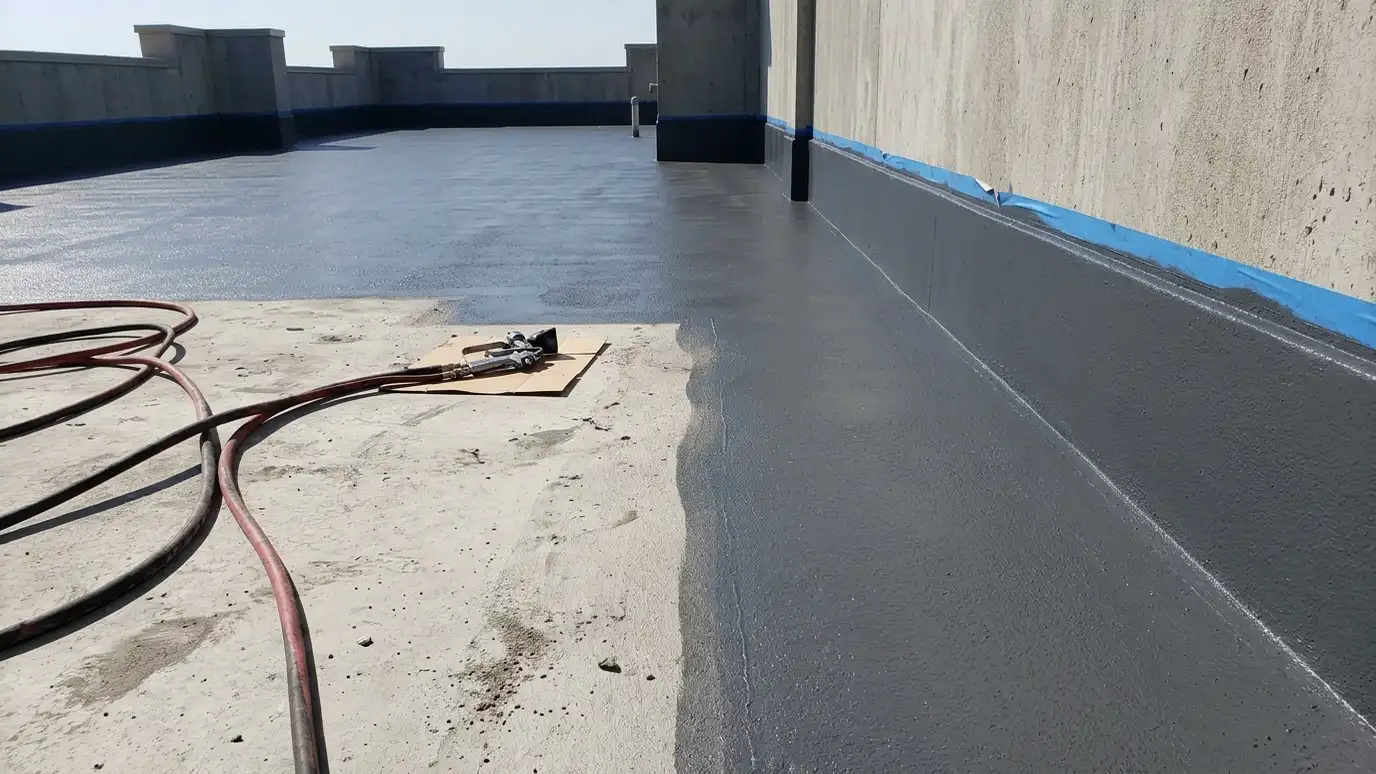
Polyurea waterproofing membranes that seal concrete decks, planters, pits and walls with a seamless, flexible, fast-curing spray or roll-applied layer.
Water finds every seam. A polyurea membrane is a seamless, flexible layer that bonds to concrete and keeps water out of places such as plaza decks, planters, balconies, utility pits and foundation walls. It cures quickly, can bridge small cracks and can be installed in tight schedules. Because Nashville gets heavy storms and humid air, owners of decks and below-grade spaces ask about membranes that stay flexible through temperature swings and keep moisture from reaching what is beneath.
A membrane lives or dies on preparation and detailing. We clean and profile the concrete, repair cracks and joints and prime where required, then apply the polyurea in even coats to the thickness the maker calls for. Corners, penetrations, drains and terminations are detailed carefully, since leaks usually start there. We often add a wearing surface or topcoat for traffic or UV protection. We are honest about the limits: a membrane protects a surface from water, but it does not replace proper drainage, structural repair or insulation, and we explain which of those you may also need.
No seams where water can sneak in.
Cures quickly and flexes with small movement.
Corners, drains and edges get extra attention.
A membrane is one part of a dry building.
No seams where water can sneak in.
Cures quickly and flexes with small movement.
Corners, drains and edges get extra attention.
The surface is prepared for a strong bond.
Traffic or UV topcoats can be added.
A membrane is one part of a dry building.
Every topic has its own page with what to expect and how we approach it.
 Comparison guidePolyaspartic vs Epoxy vs PolyureaHow the three coating families differ in cure speed, sun stability, thickness, odor, flexibility and the work they…Learn more
 ResourcePolyurea Development AssociationAn industry association that shares information about polyurea technology and its uses.Learn more
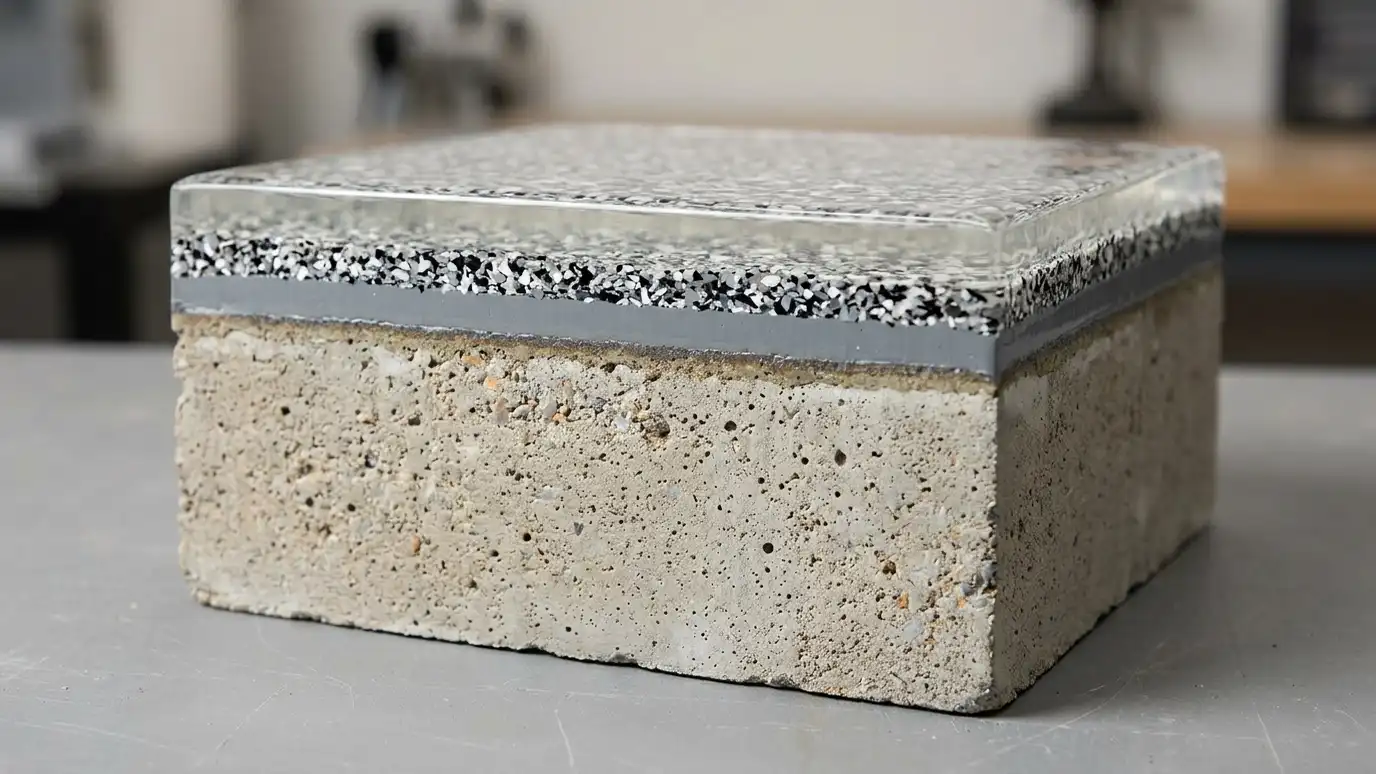 Comparison guideLayers and ThicknessHow primer, basecoat, flake and topcoat layers add up to a floor system, and why thickness and layer…Learn more
Answer five questions about your floor, goals and timing to see which services to start with.
You tell us what you want to coat, how you use the space and what bothers you about the floor, and we set a visit.
We measure the floor, check cracks, stains and moisture, take photos and talk through colors and finishes.
You review samples, a design preview and a plain written scope with every layer and the schedule before anything is ordered.
We clear and protect the space, diamond grind the slab, repair cracks and joints and clean the surface.
We apply the basecoat, broadcast flakes or color and roll the clear topcoat, then give you a cure schedule.
We walk the finished floor with you, share a care guide and schedule a first checkup.
It stops water at the surface it covers. Leaks from drainage or structure need their own fixes.
It can bridge small cracks. Larger or moving cracks are repaired first.
With a suitable topcoat, yes.
Cure times are short, and we give a schedule for your area.
Sometimes, depending on pressure and conditions. We review the situation first.
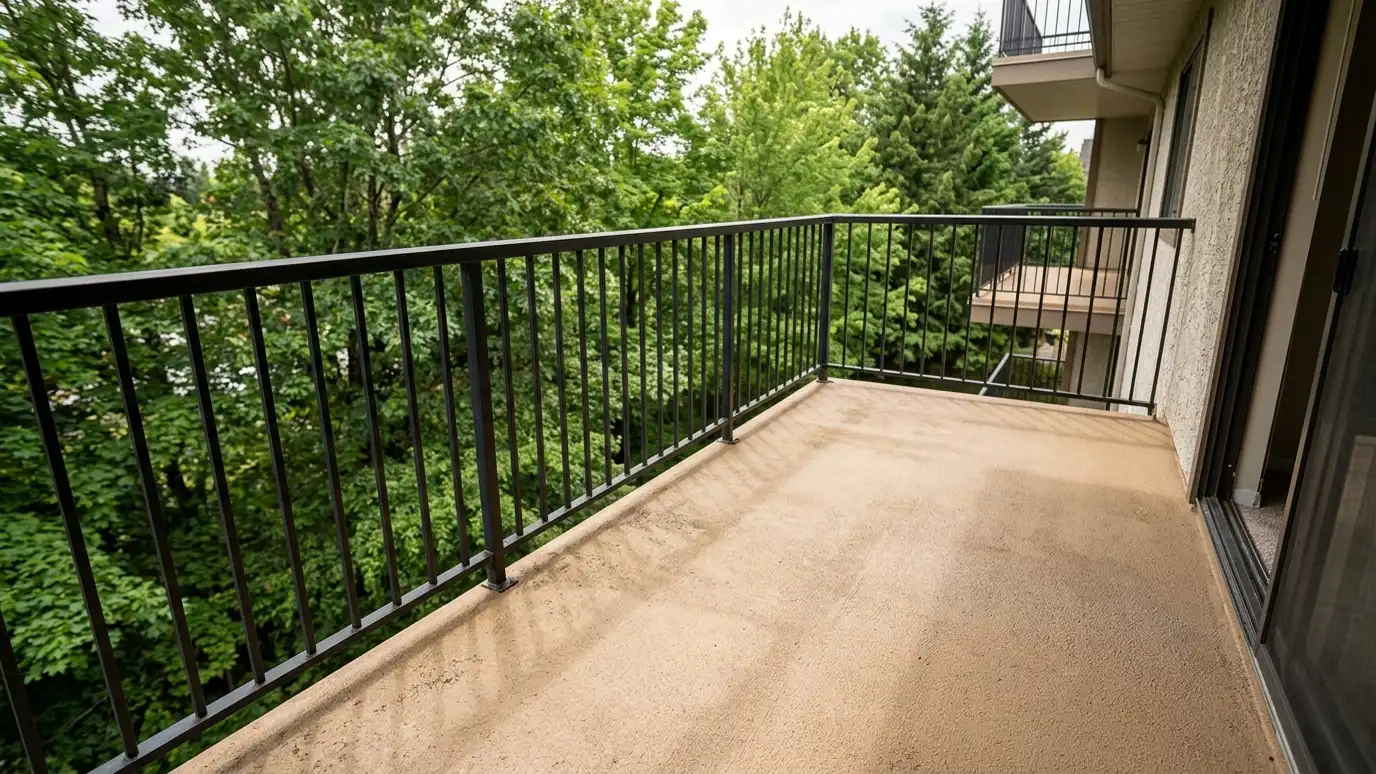 Polyurea Deck and Balcony CoatingsPolyurea deck and balcony coatings that seal and protect concrete walking surfaces with a flexible, textured, UV-stable finish…Explore
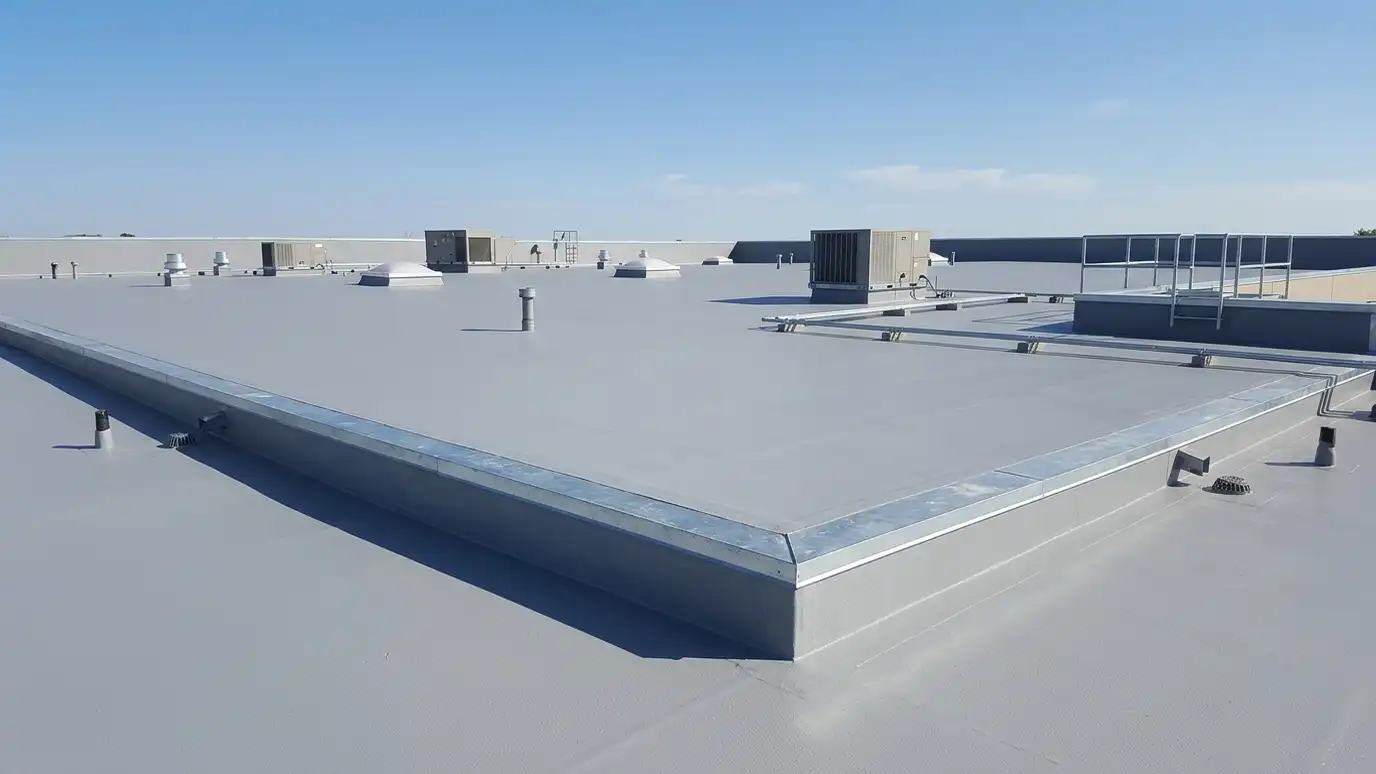 Polyurea Roof CoatingsPolyurea roof coatings that seal and protect flat and low-slope roofs with a seamless, flexible membrane, reflective topcoat…Explore
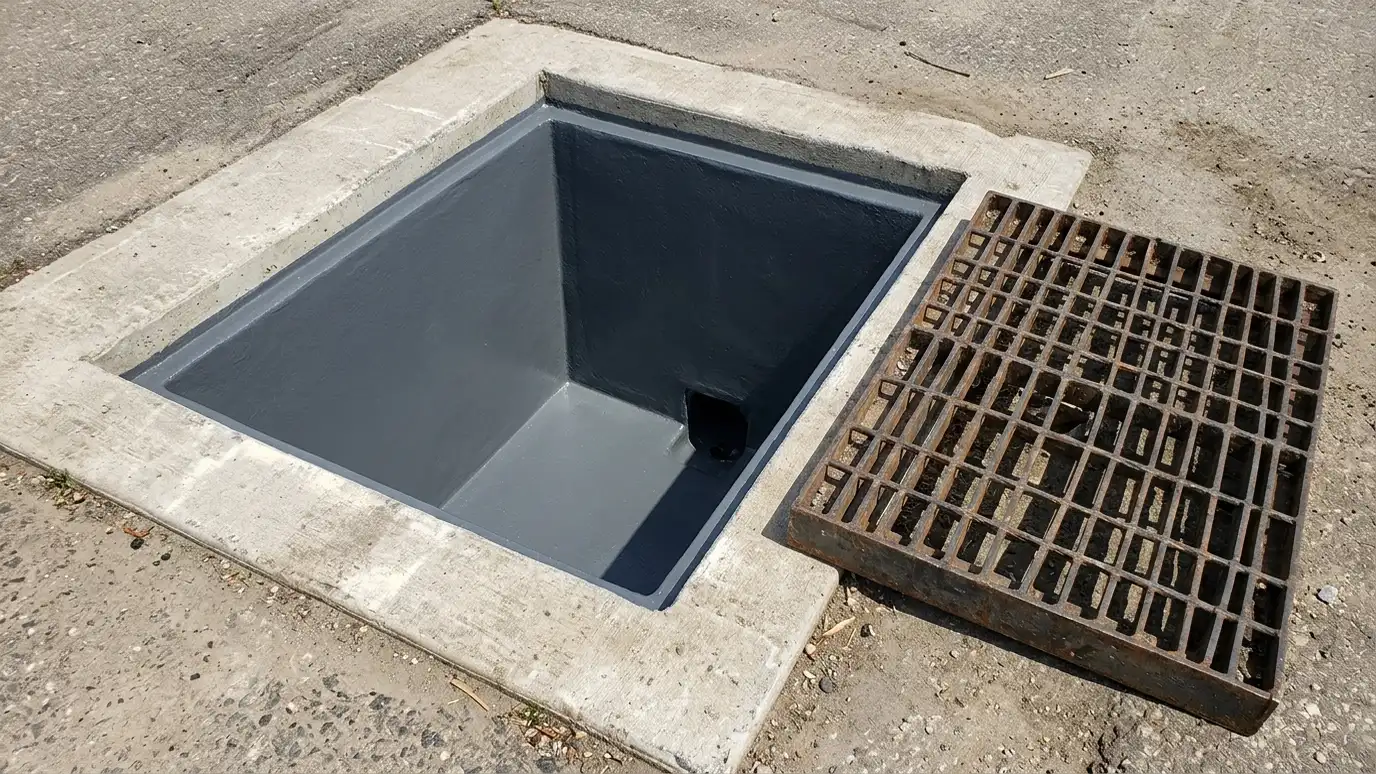 Polyurea Concrete and Pit ProtectionPolyurea concrete and pit protection that lines utility pits, sumps, trenches and wet areas with a seamless, abrasion-resistant…Explore
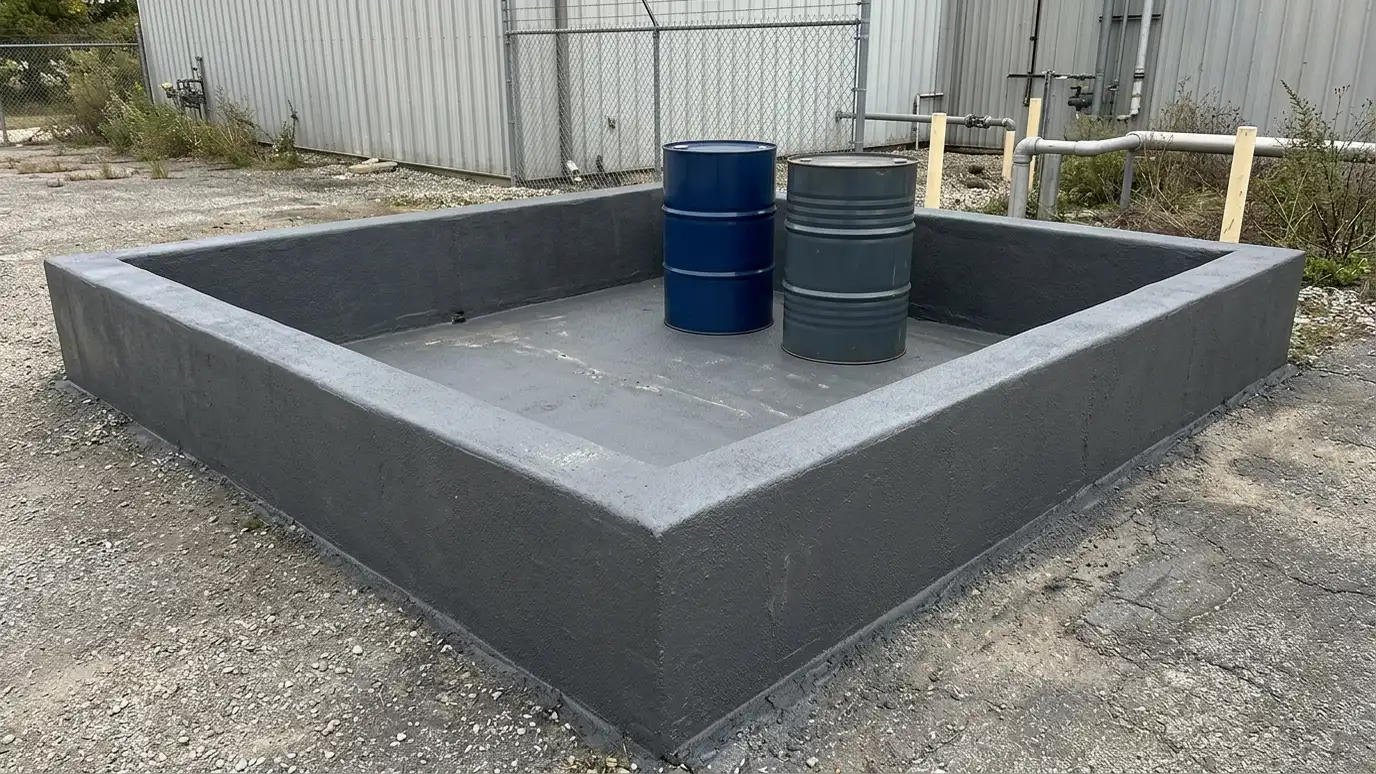 Polyurea Secondary ContainmentPolyurea secondary containment linings that coat curbs, basins and floors around tanks and drums with a seamless, chemical-resistant…Explore
Tell us about your floor and we will call you back to set up a visit.
Or call (615) 357-7797 to talk now.